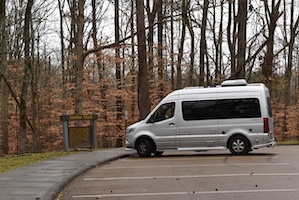
Gulf of Mexico Coast

That phrase has not infiltrated our vocabulary yet. I hope no one is disappointed.

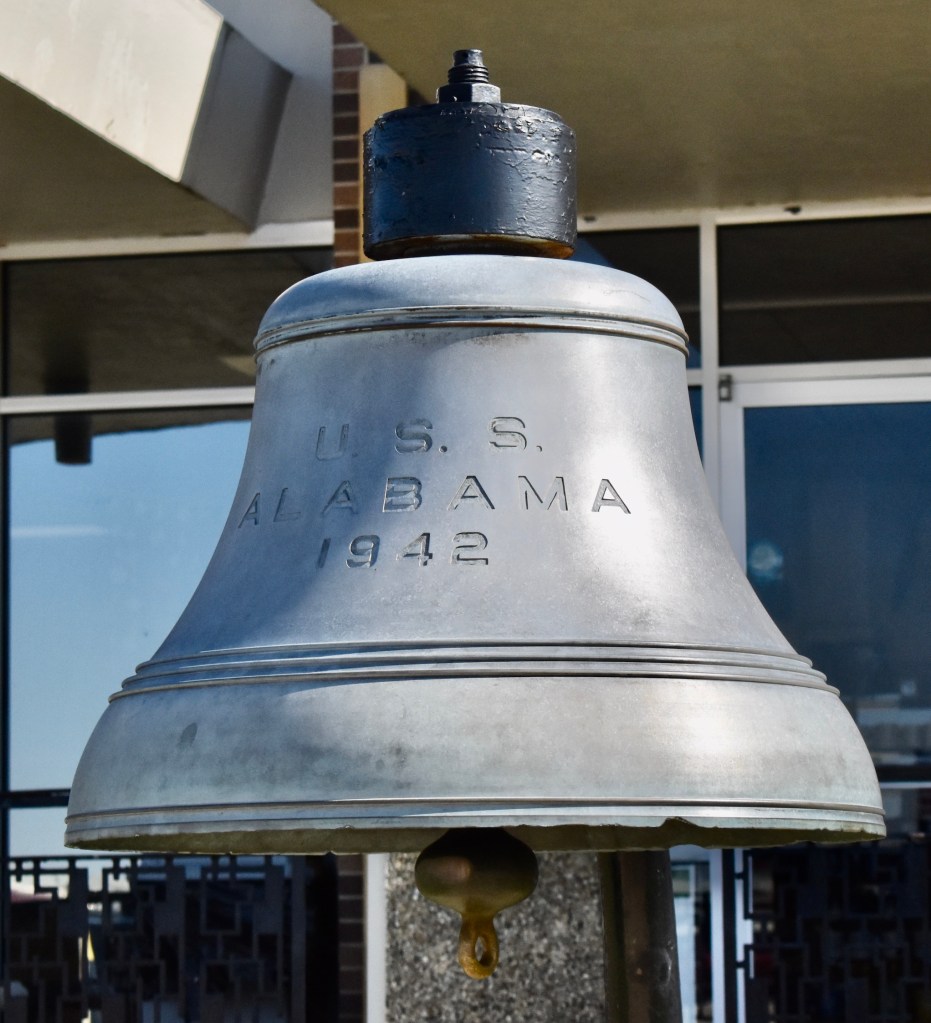
We headed south from Montgomery on Route 31 through forested and farmland countryside in southern Alabama on January 20, 2020. Our campground was Wales West RV Resort in Silverhill east of Mobile Bay. It was cold – for the first time our water hose froze. The next morning was cold and windy. We headed in to Mobile and hopped on a trolley tour of the historic areas, including old neighborhoods, two tunnels, and a drive through of the USS Alabama Battleship Park.
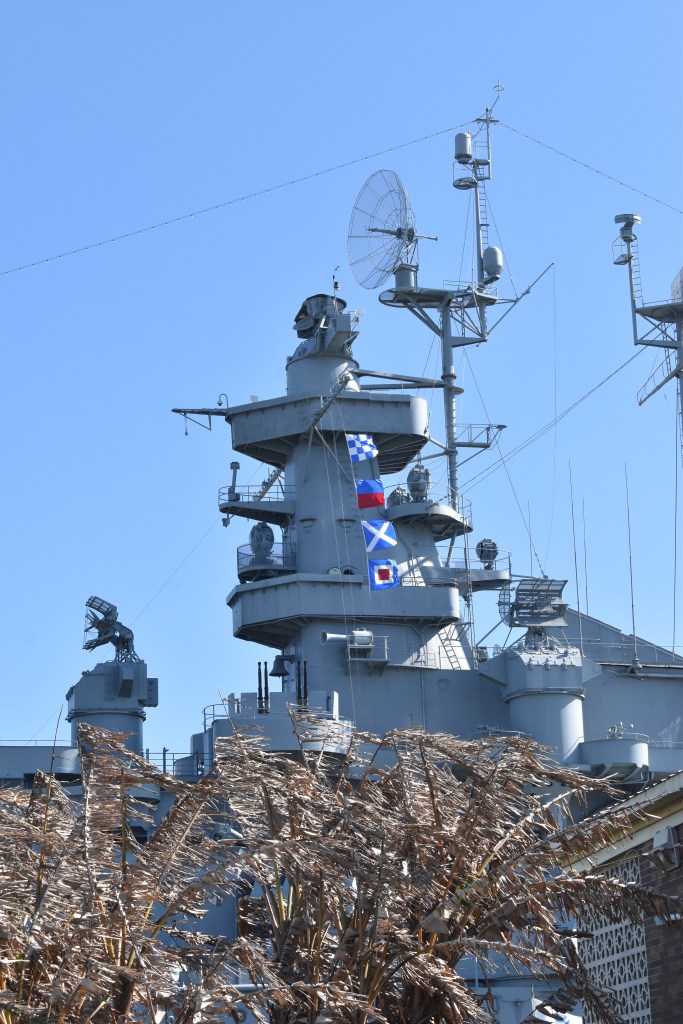
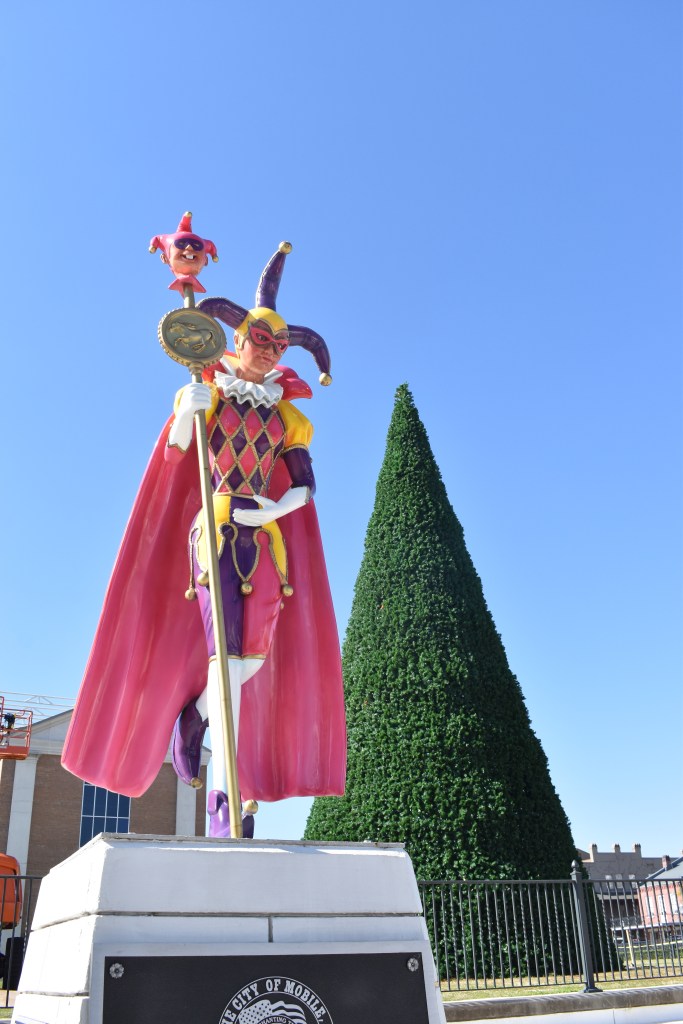
The trolley driver told us that Mobile claims the very first Mardi Gras celebrations and parades. New Orleans came later. We didn’t argue. The trolley ride was a great way to see the city – there is more there than we expected, including several museums that would be worth returning to see someday.
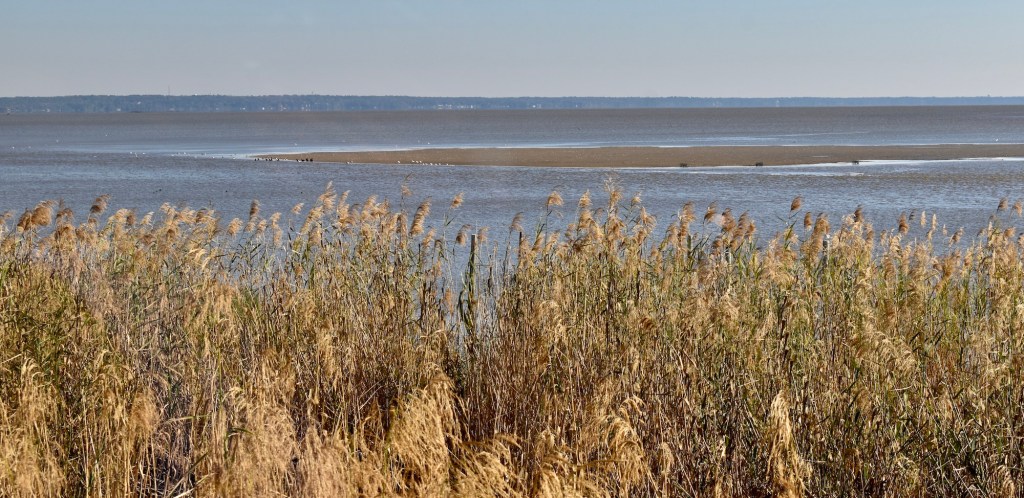
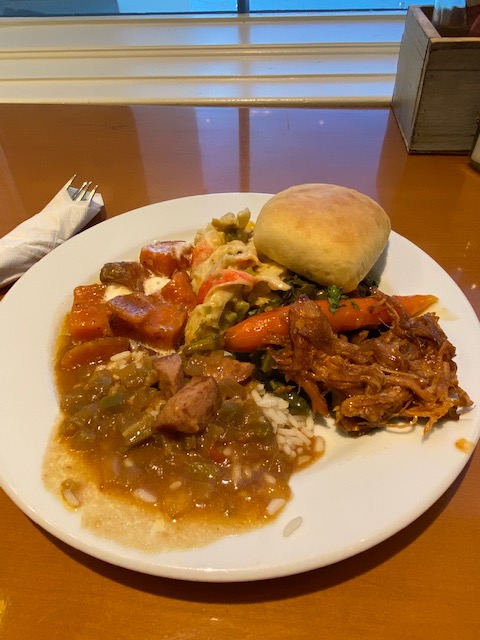
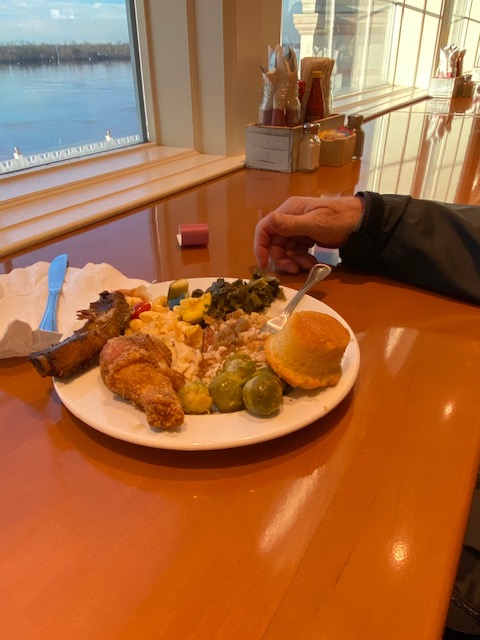
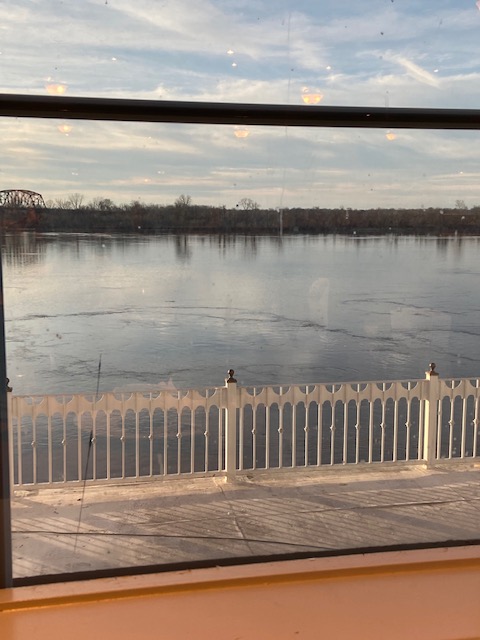
After the tour we had more southern dishes for lunch at Felix’s Fish Camp Grill – grilled shrimp and oysters. The views of the gulf and back to Mobile were beautiful.

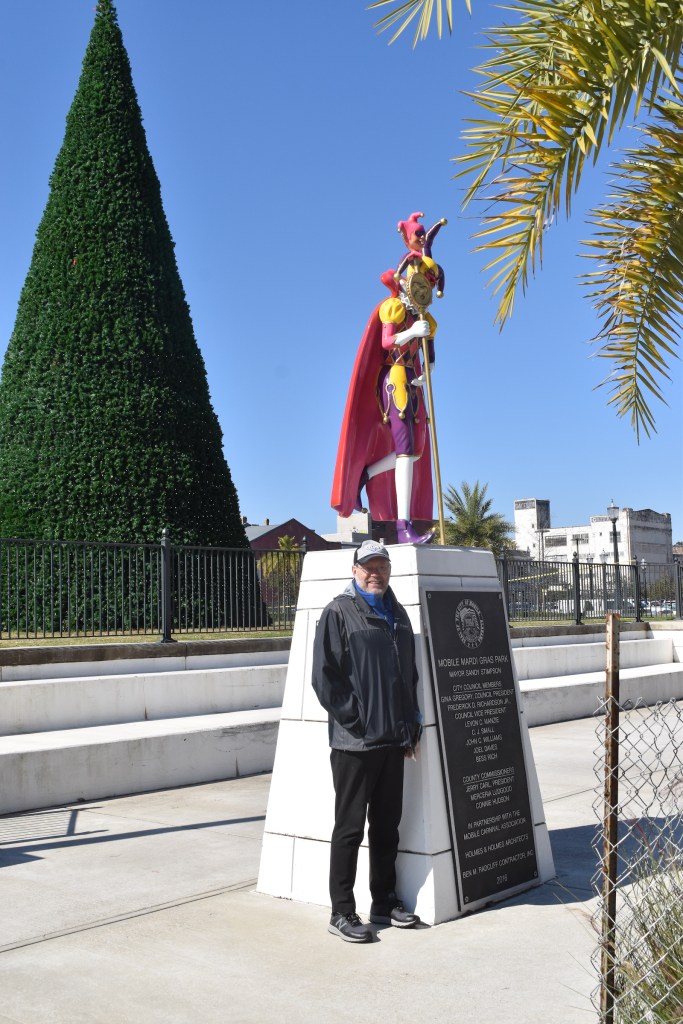
Mobile, Alabama
View from Felix’s Restaurant

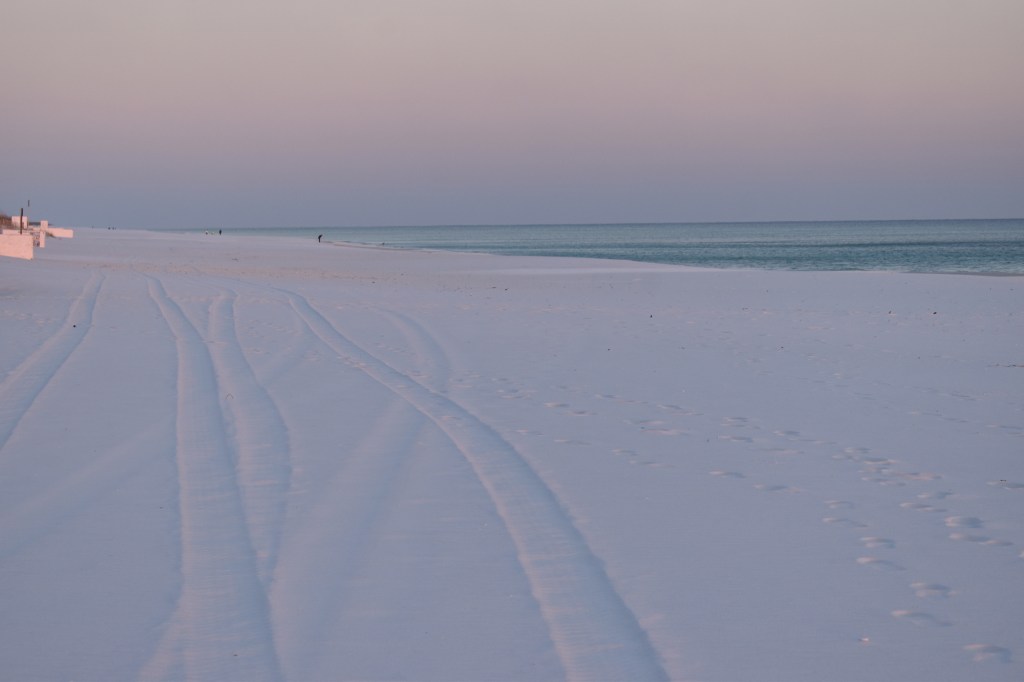
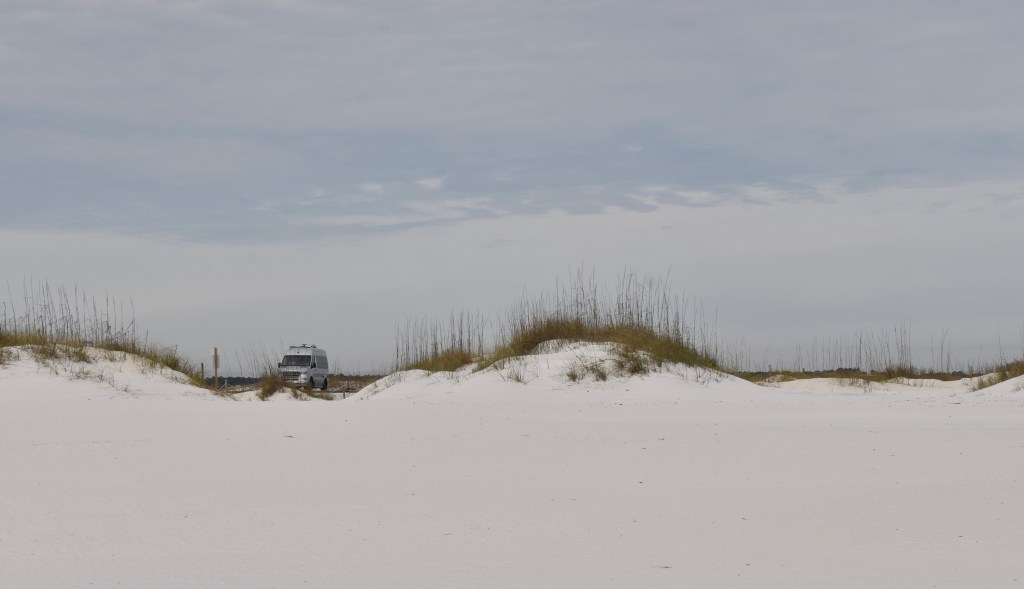
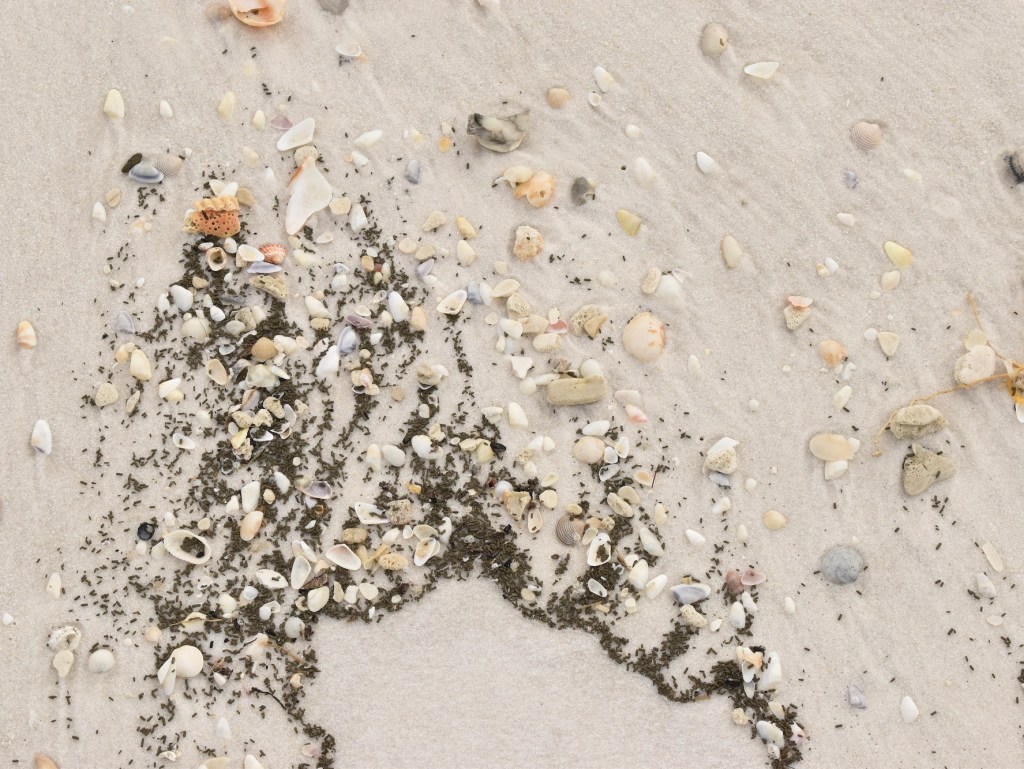
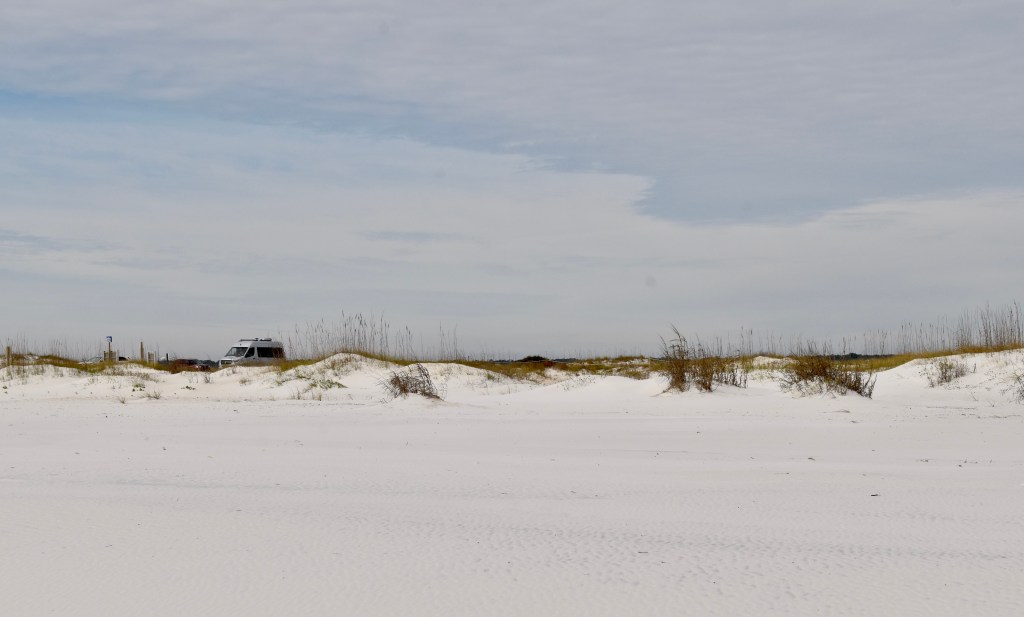
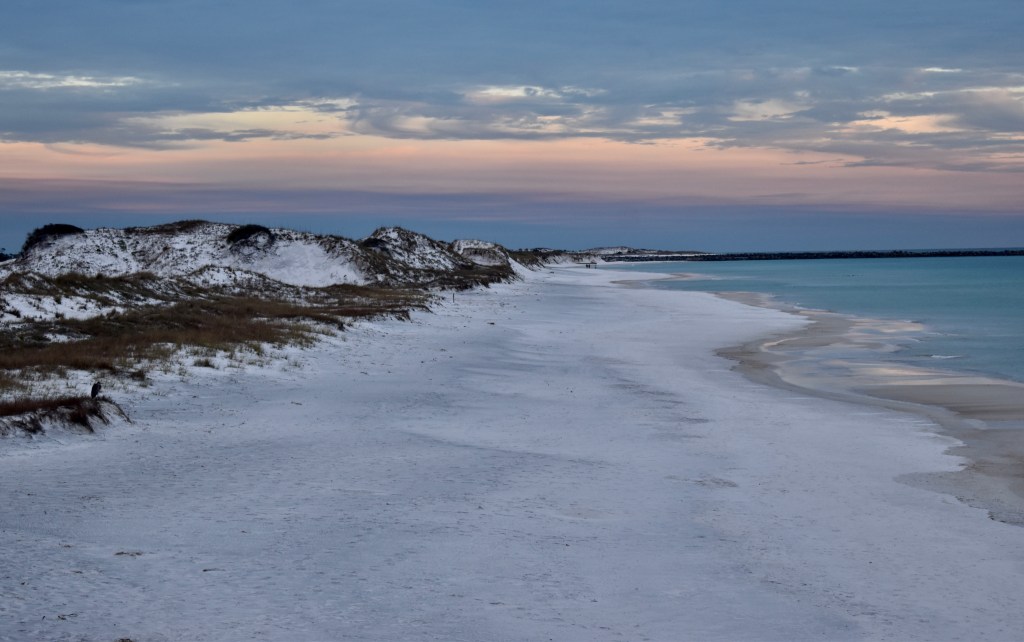
We went on to Pensacola Beach RV Resort on Santa Rosa Sound for the night. It was windy and cold there, too, but we walked the ocean-side beach to watch the sunset.
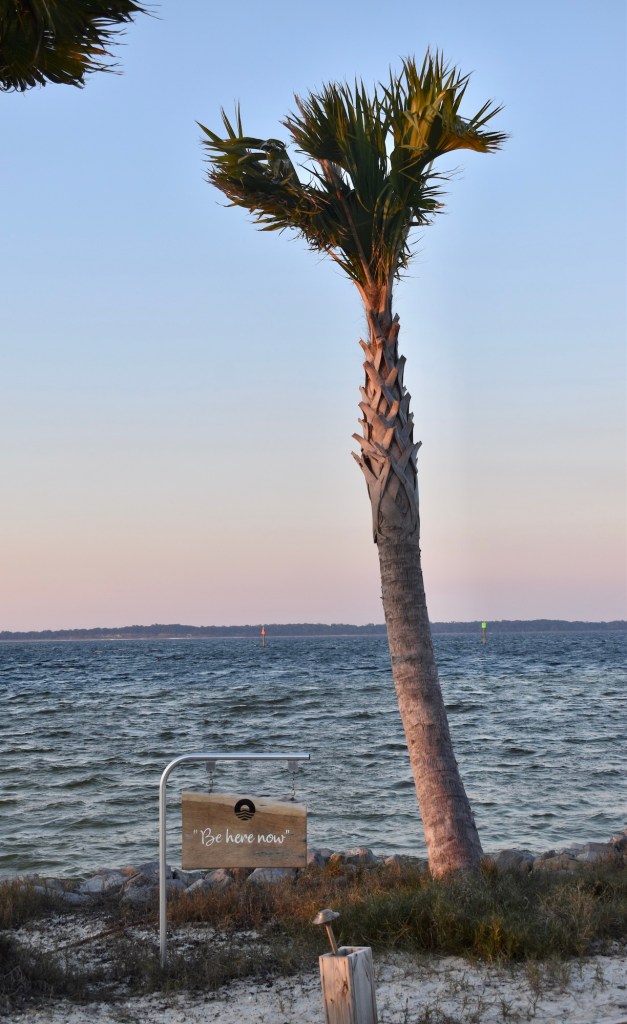
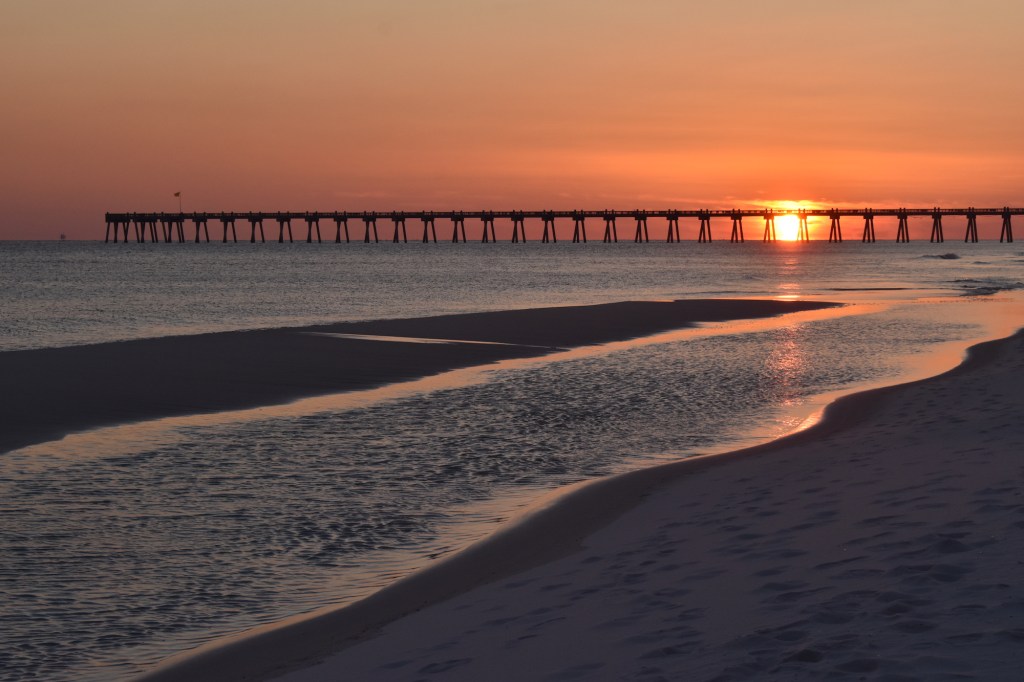
Pensacola Beach
Pensacola Beach

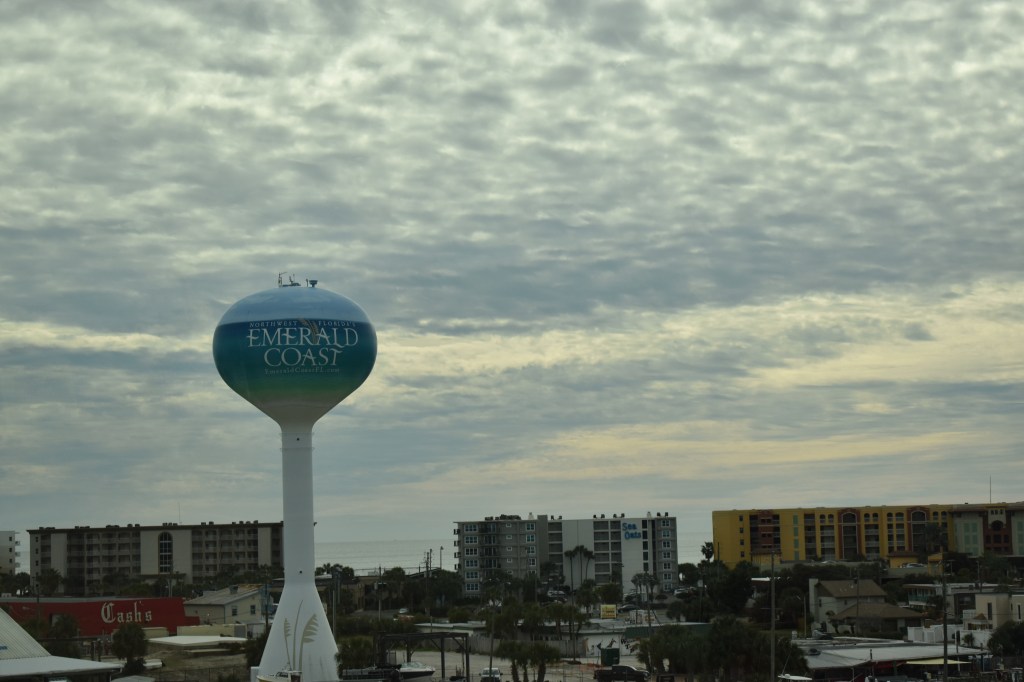
The next day we continued east along the Gulf of Mexico on Santa Rosa Island following the Gulf Islands National Seashore Trail. This is a beautiful drive along the area also known as the Emerald Coast.
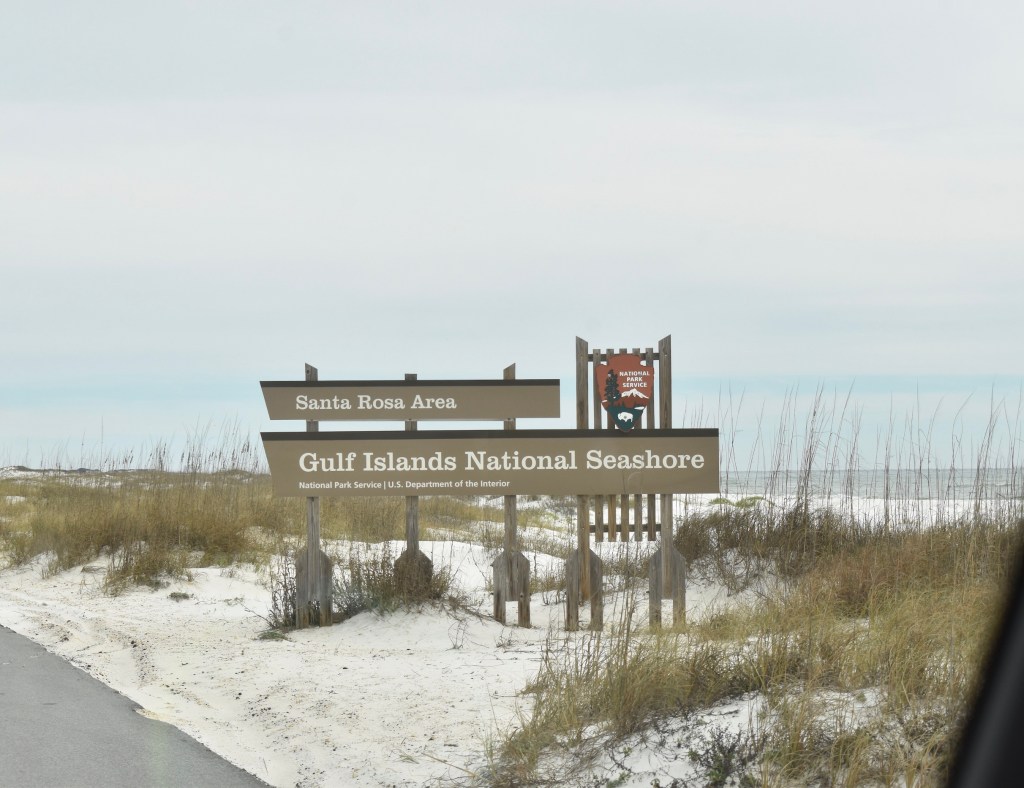
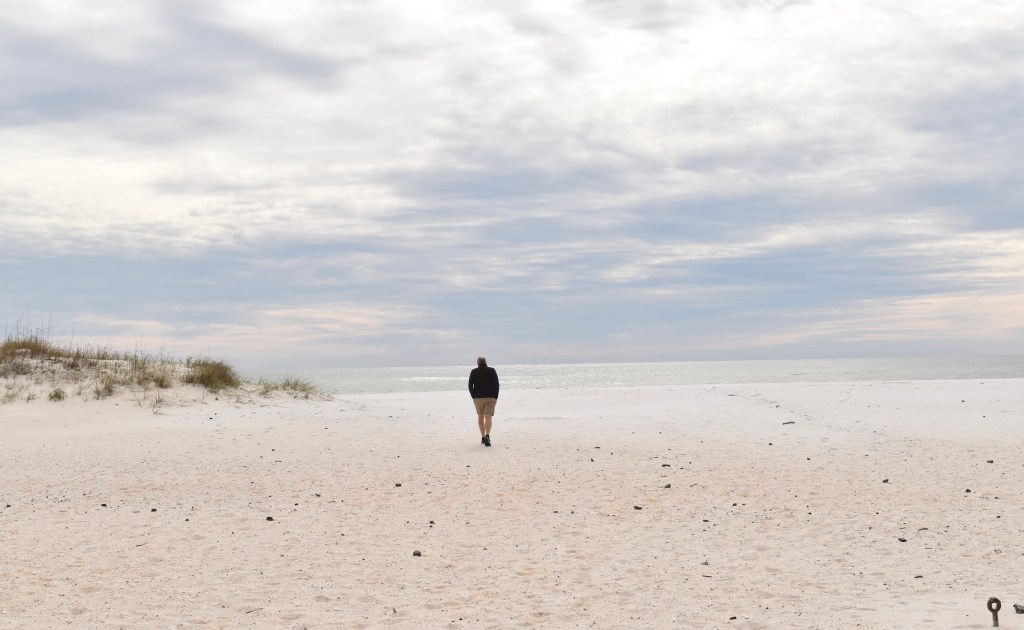
Sylvie at the beach
We stopped for lunch at Henderson Beach State Park in Destin, looking south over the Gulf.

Our next campground was Panama City RV Resort. We walked to St. Andrews State Park to watch the sunset – it was still cold – I wore my down sweater and mittens!

Montgomery, Alabama (continued)

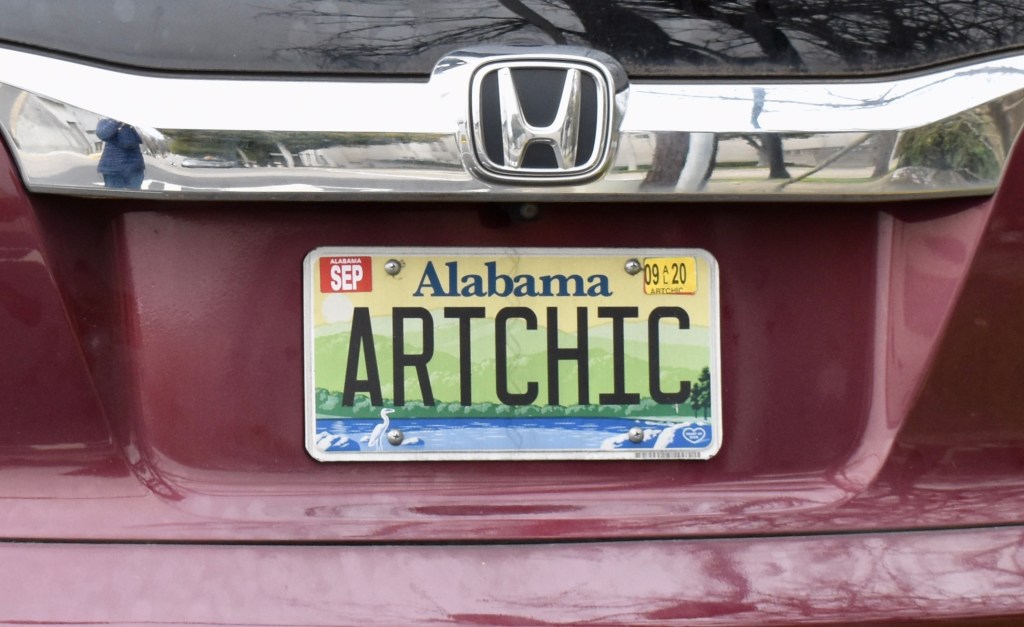
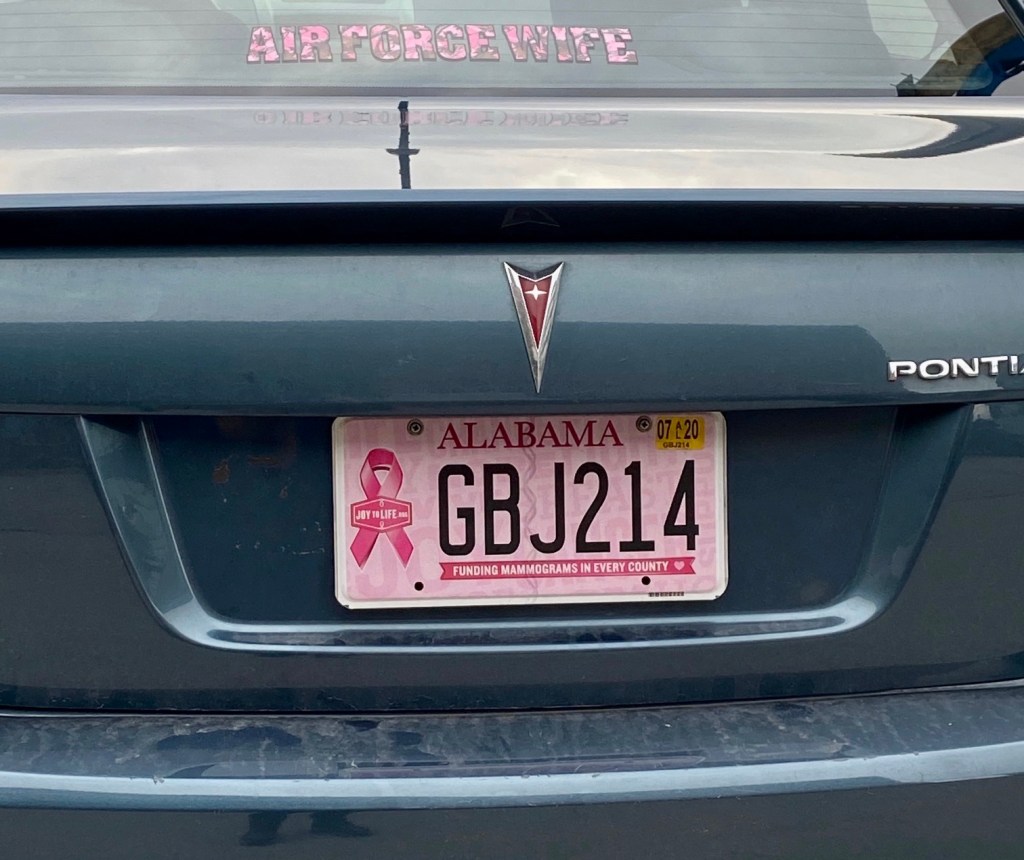
Tara Cady’s license plate

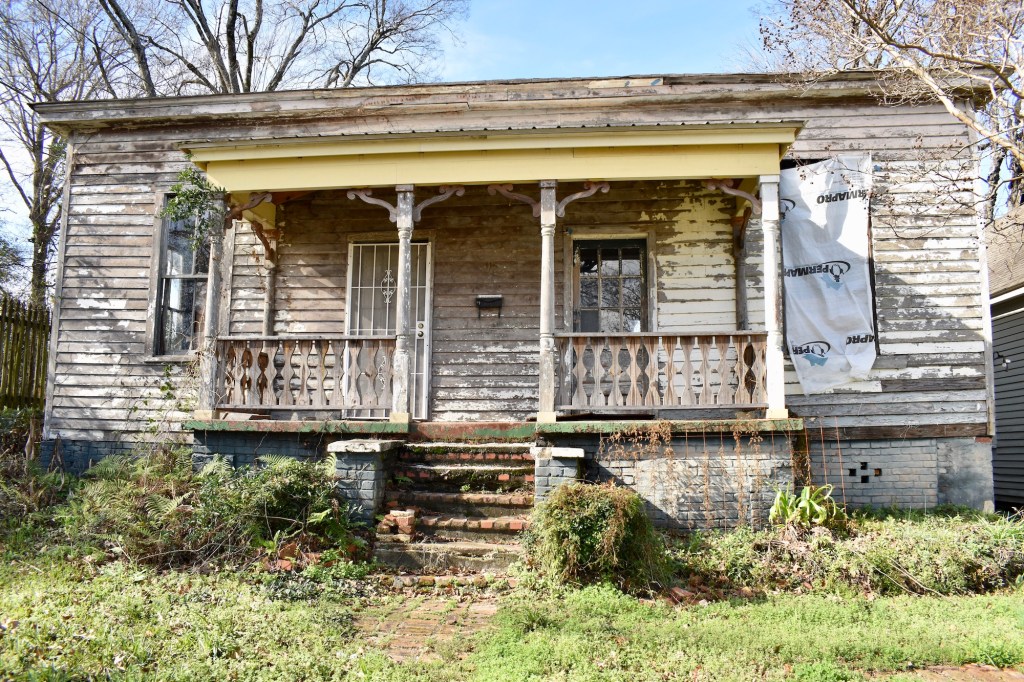
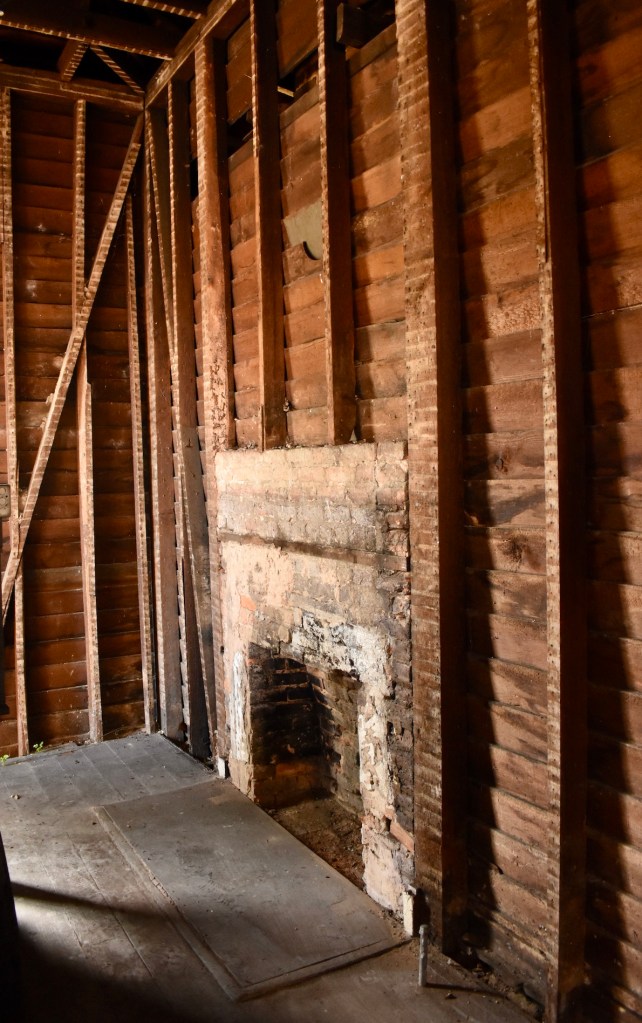
During our visit with Tara and Jim we enjoyed their southern hospitality and fine meals, both in restaurants and home-cooked. We had dinner at Vintage Year – tuna and beef cheeks! Breakfast included a new treat – avocado toast. Tara Cady is a talented artist and gave us a tour of her studios, where she practices and teaches pottery, printmaking, glasswork, and painting, and related arts. The studios are located at the back of an older home that she is renovating in accordance with historic zoning restrictions.

Judy and Doug look forward to returning to see the finished building.
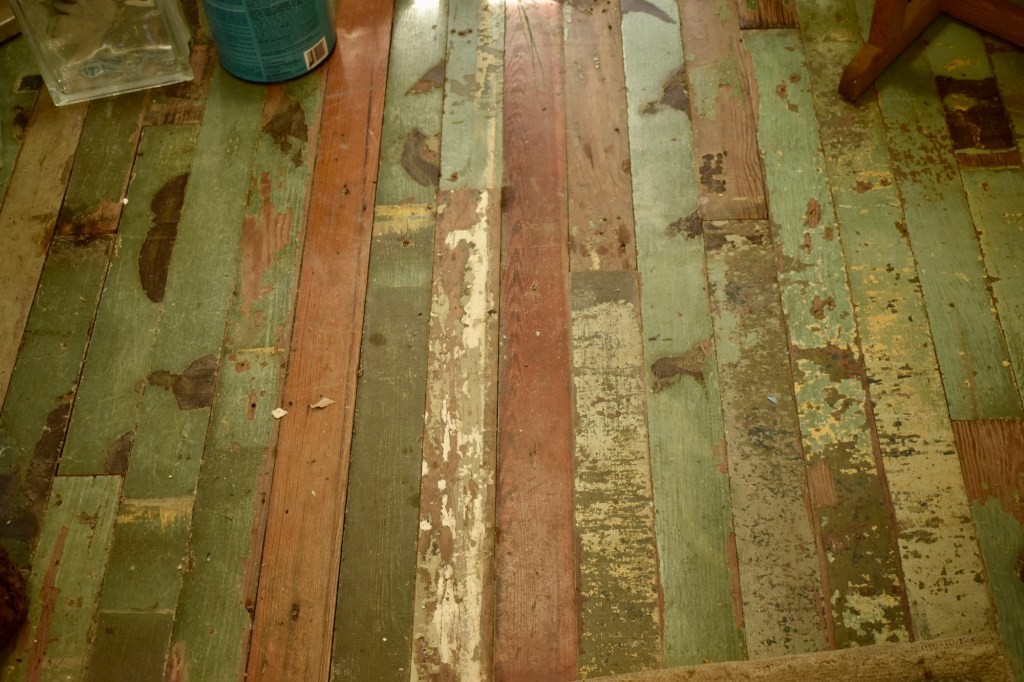
Beautiful re-use of boards for flooring.
Interior view
An example of Tara Cady’s hand-carved pottery
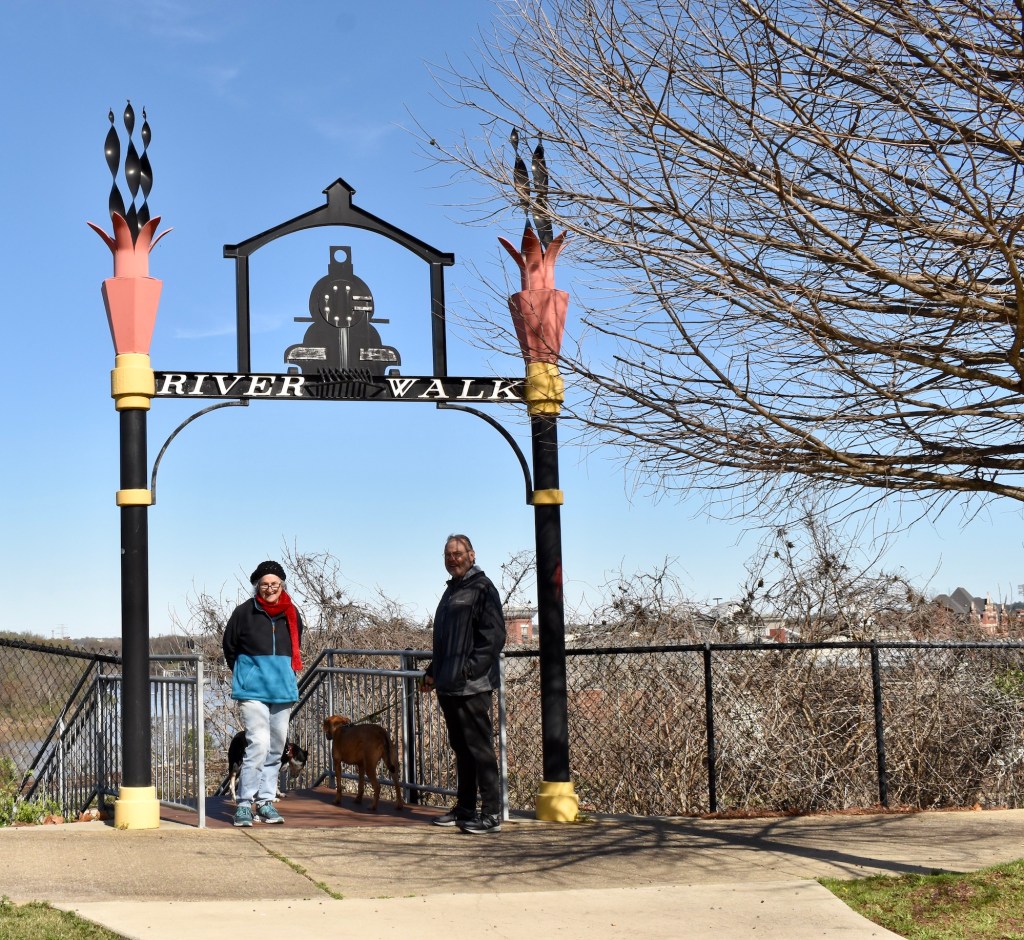
We took Tara and Jim’s dogs for a walk to the riverfront.
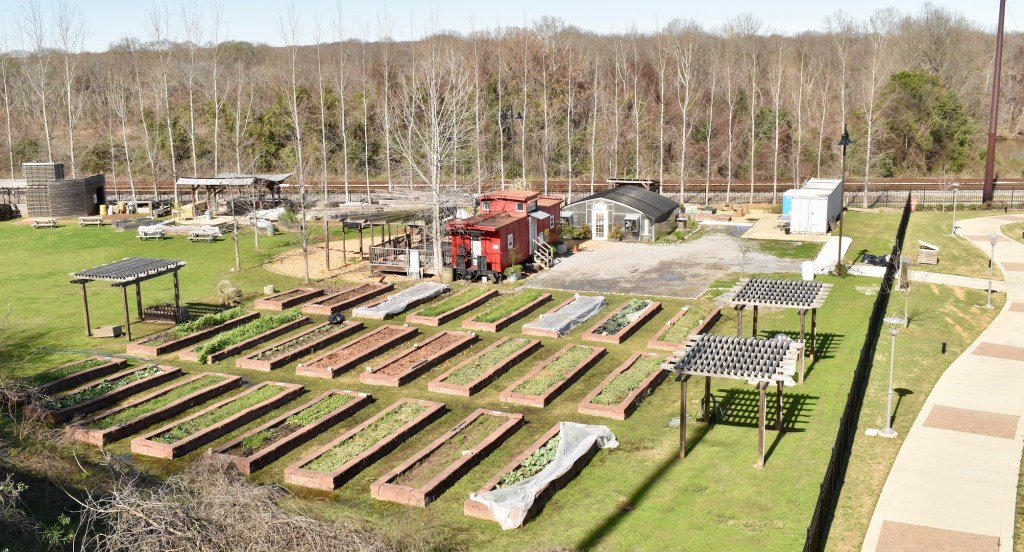
There is a community garden
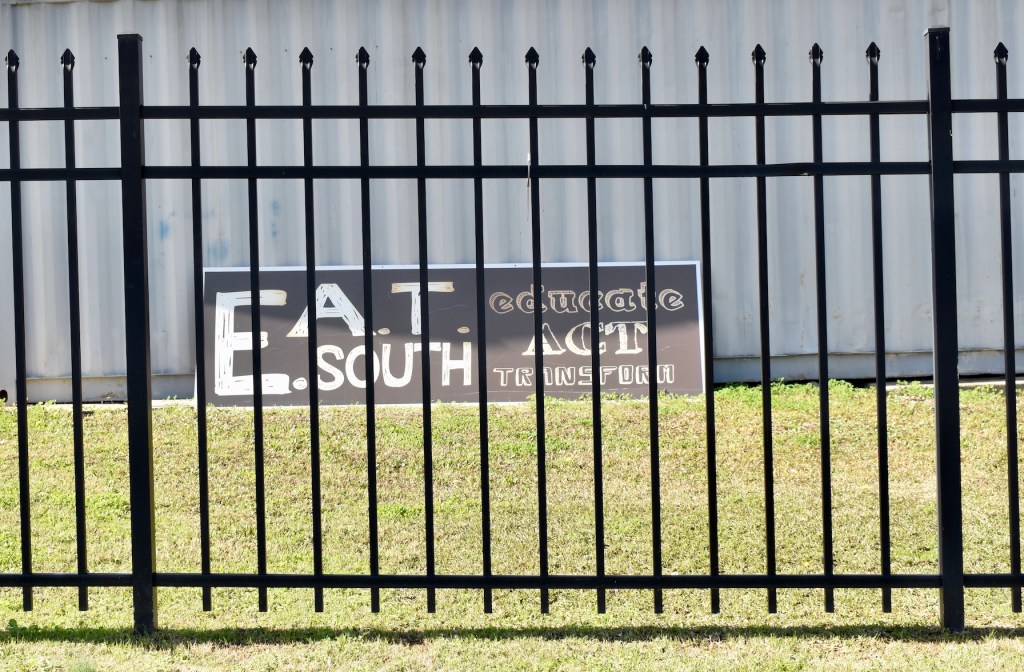
E.A.T.: Educate – Act – Transform

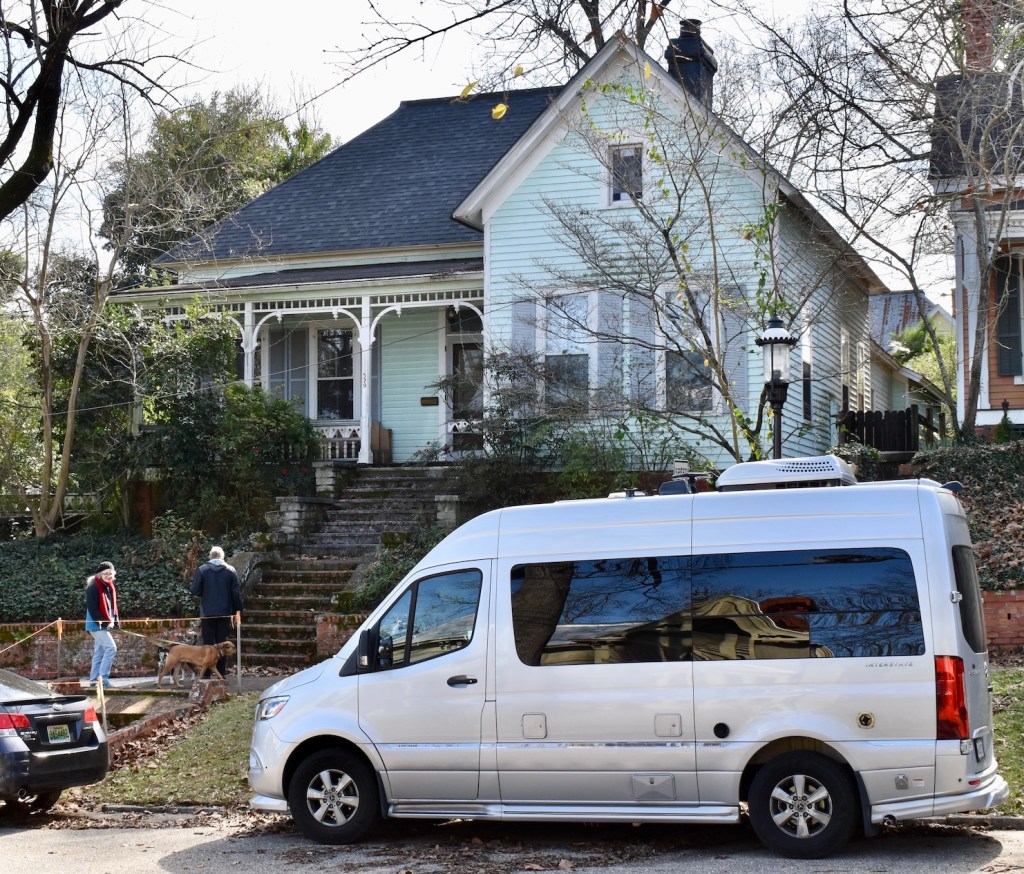
Back at Tara’s house, with our camper van parked in front.
What does everyone think of the name Sylvie for our van?
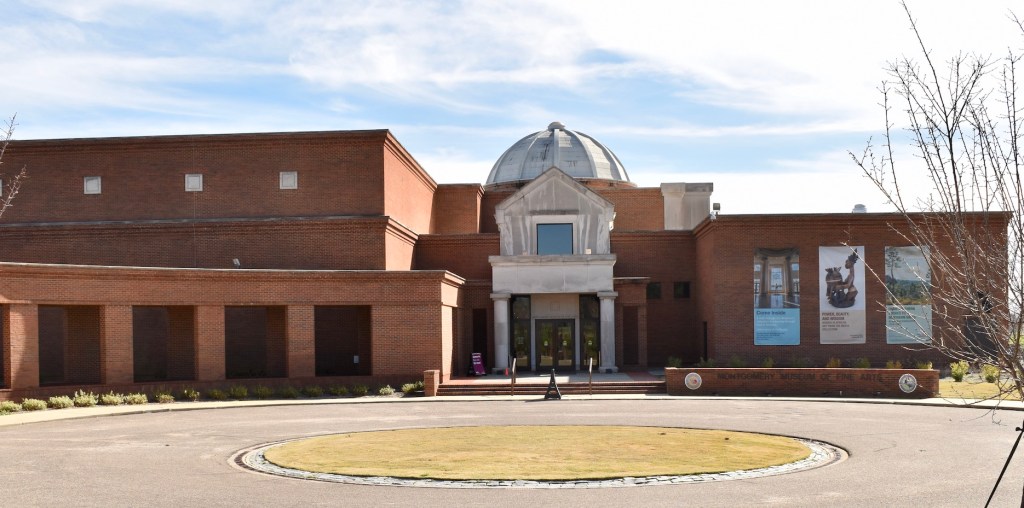
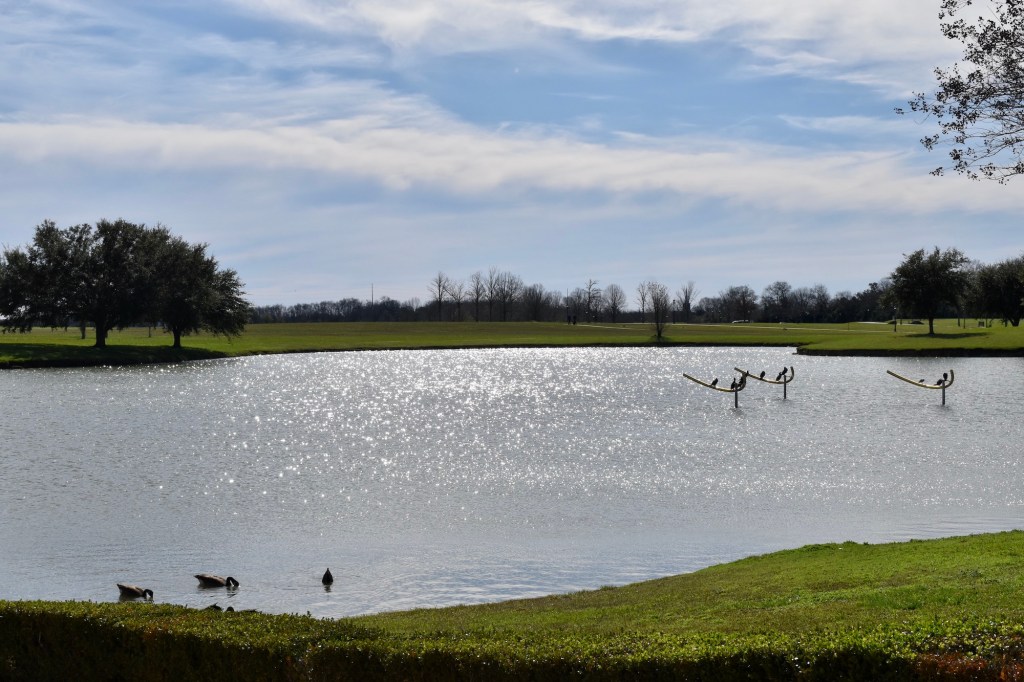
The museum is in a park-like setting, with a theatre and lots of water and green space.

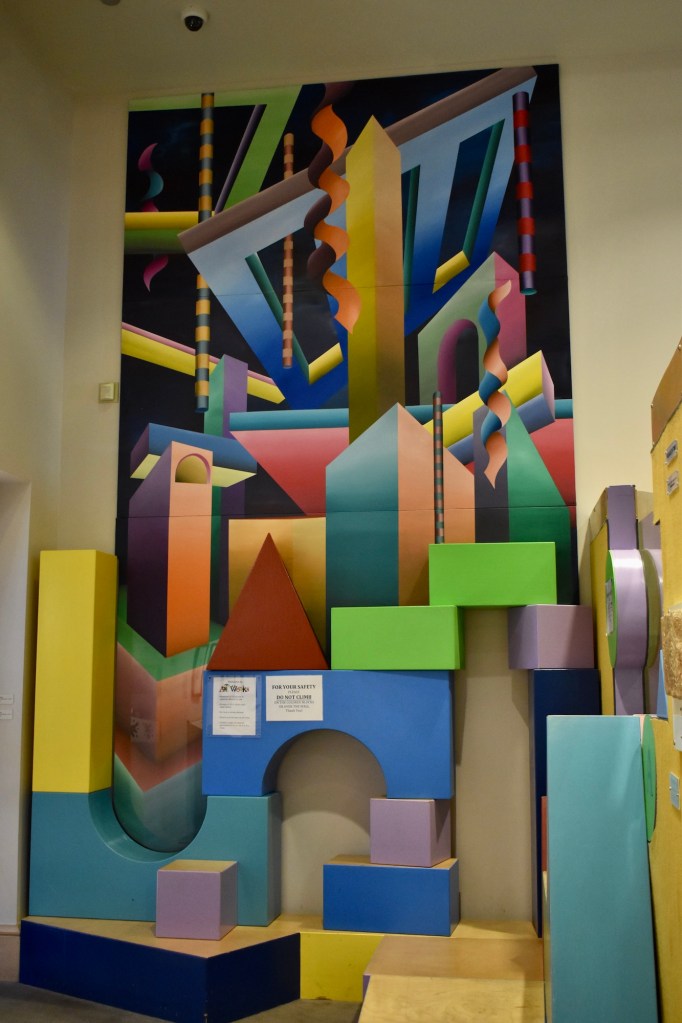
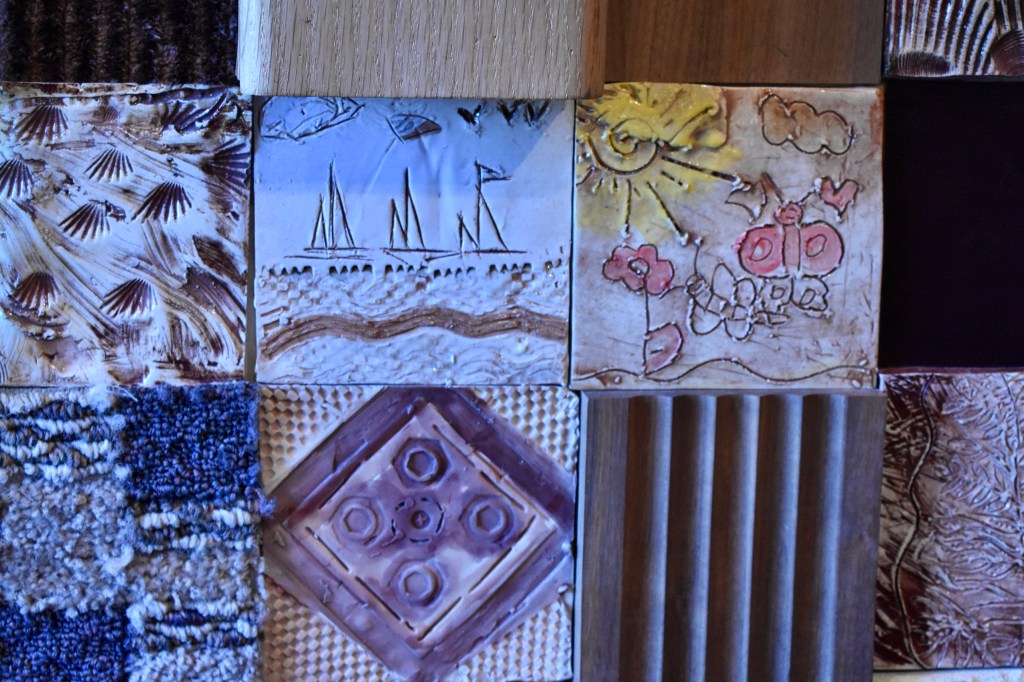
We also visited the Montgomery Museum of Fine Arts where Tara was Director of Children’s Exhibitions. She saw the children’s wing through its original creation and also an expansion that doubled the space. It is a colorful, fun, and busy space. Her legacy is admirable and awesome.

At the entrance to the Children’s wing.

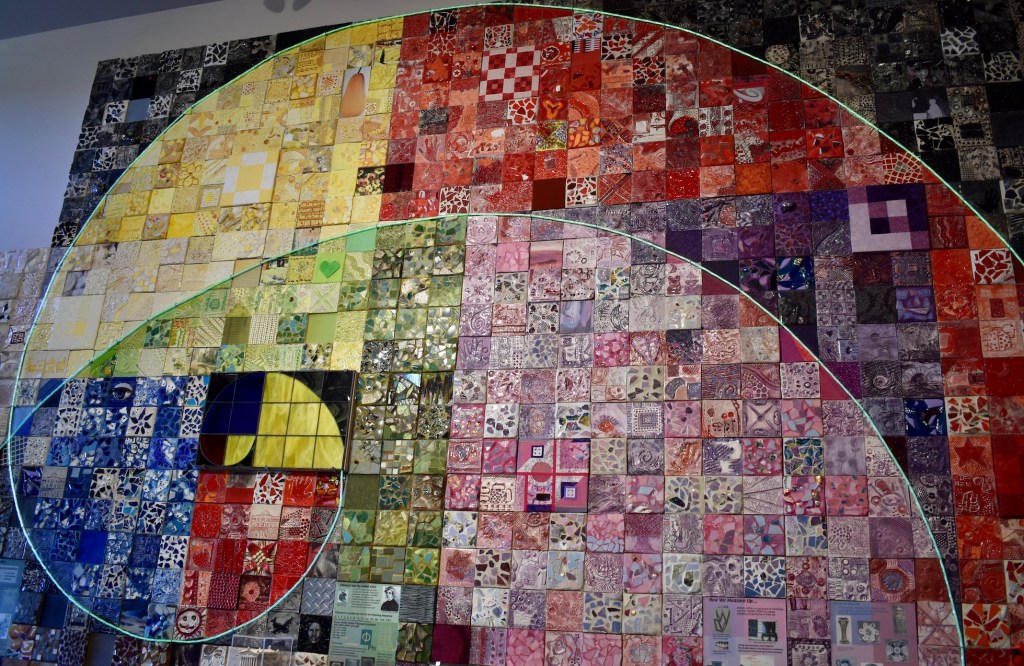
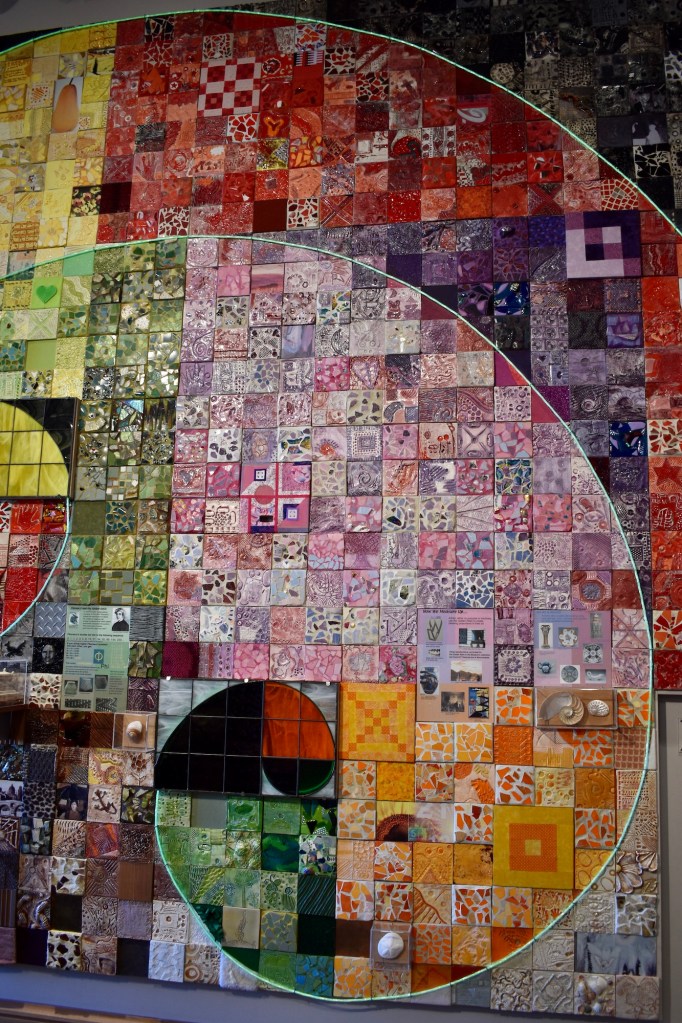
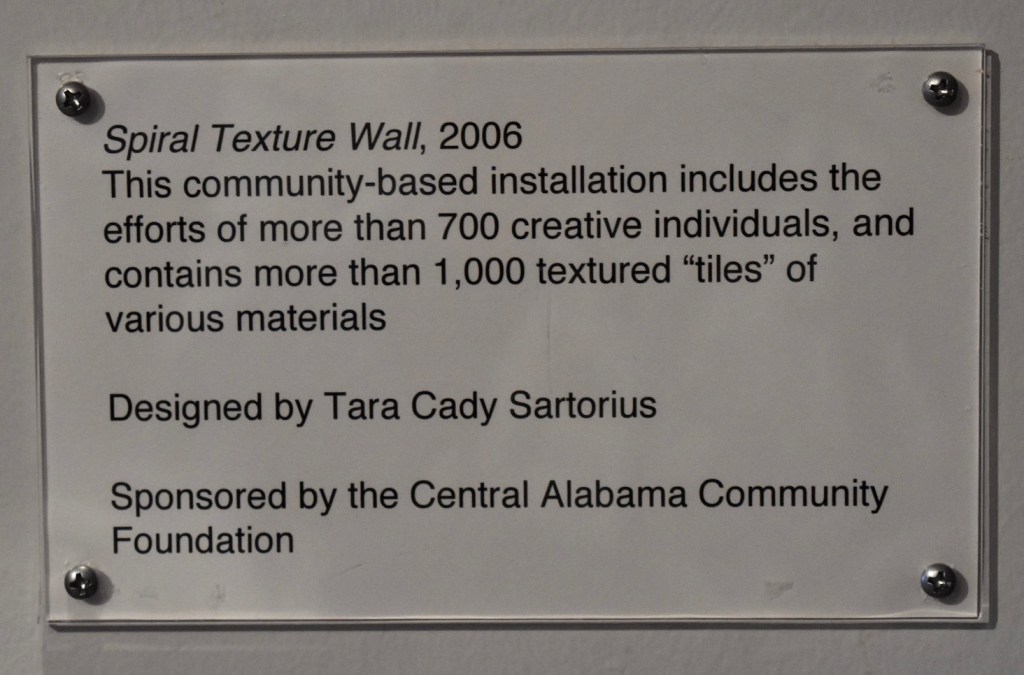
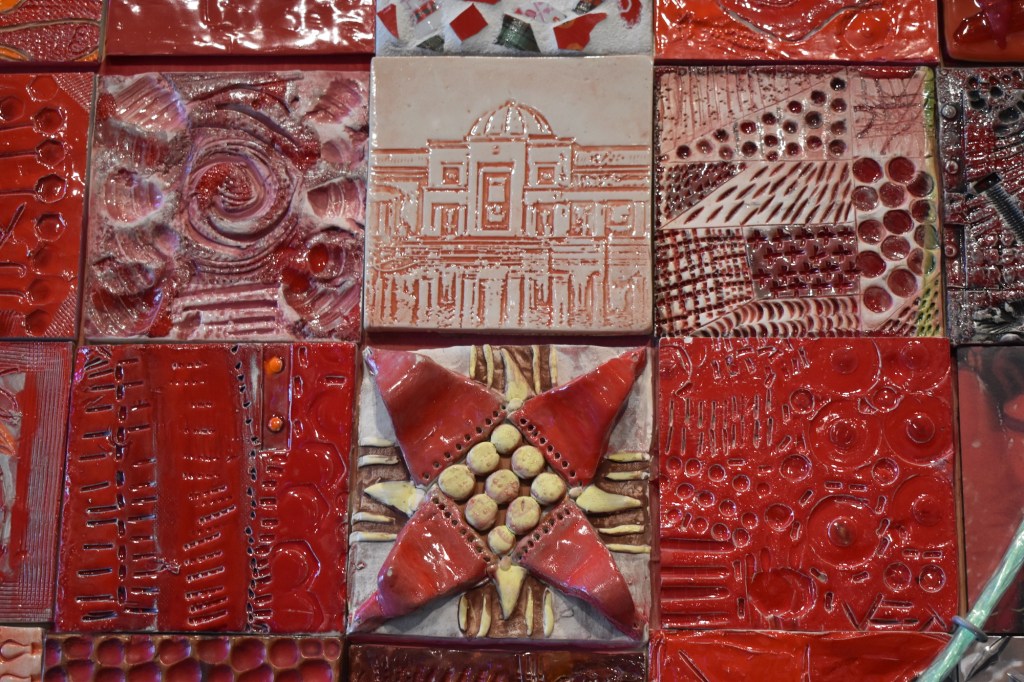
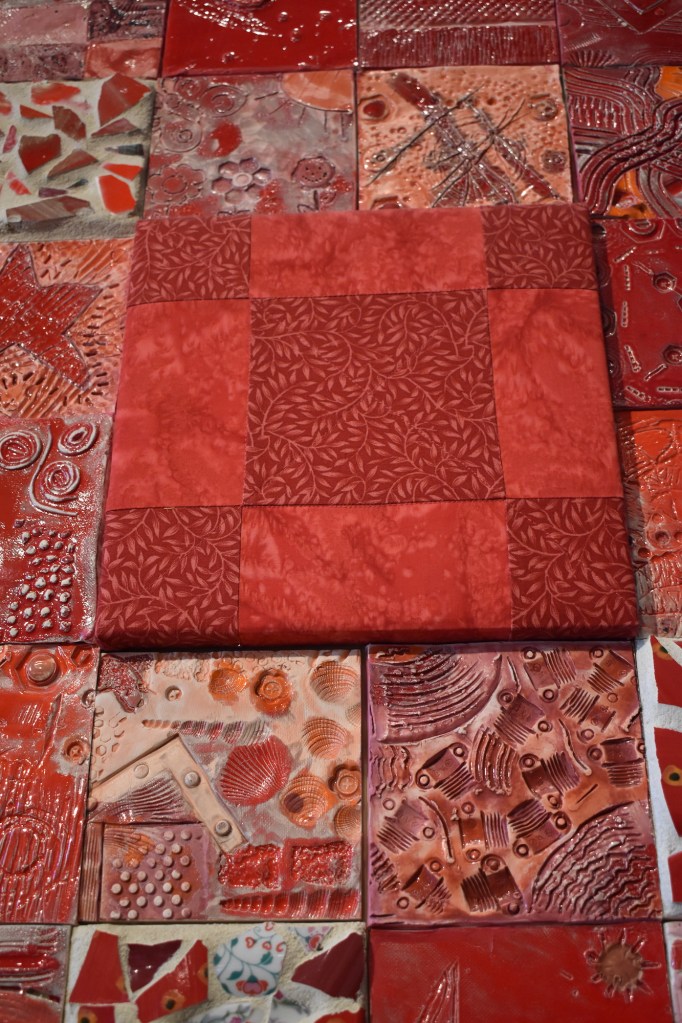
Detail from the tile wall


A piece that is quilted

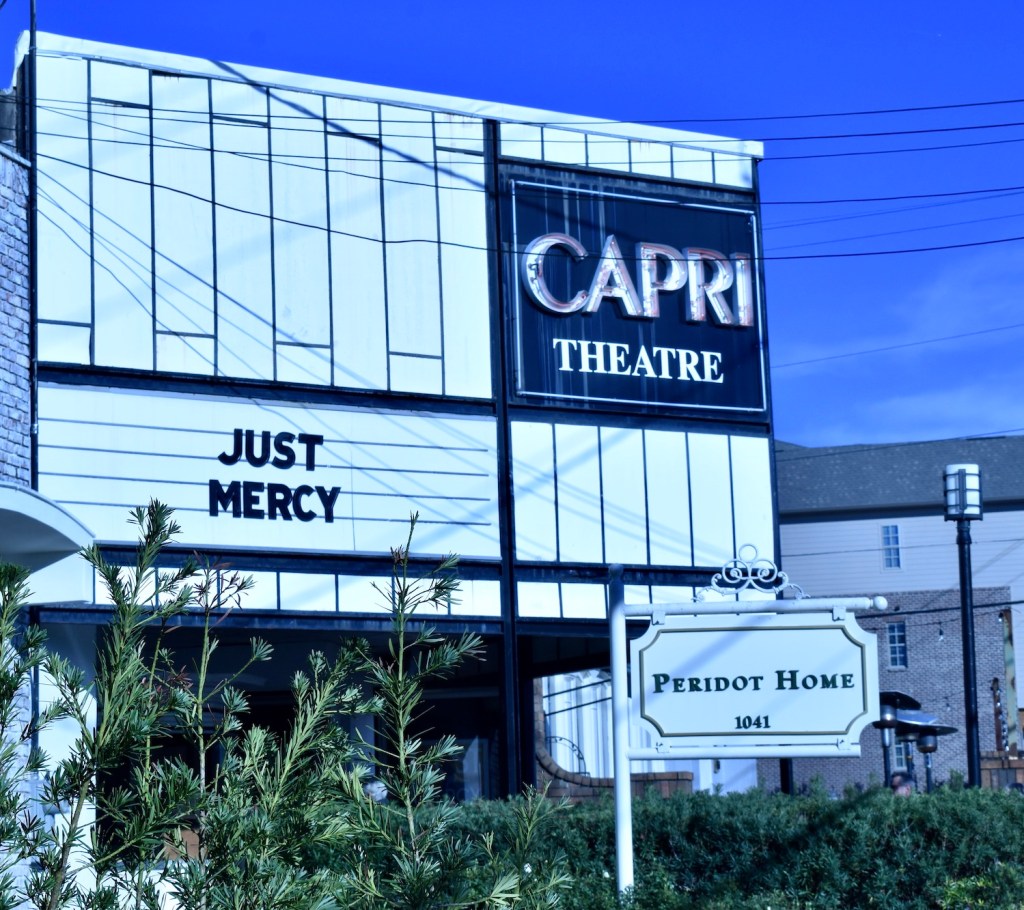
Tara and Judy saw the movie Just Mercy while Doug and Jim monitored the football playoff games. Do see the movie if you have a chance. Jim prepared a delicious fried chicken and greens dinner and we ate chocolate and caramel cake – yum!

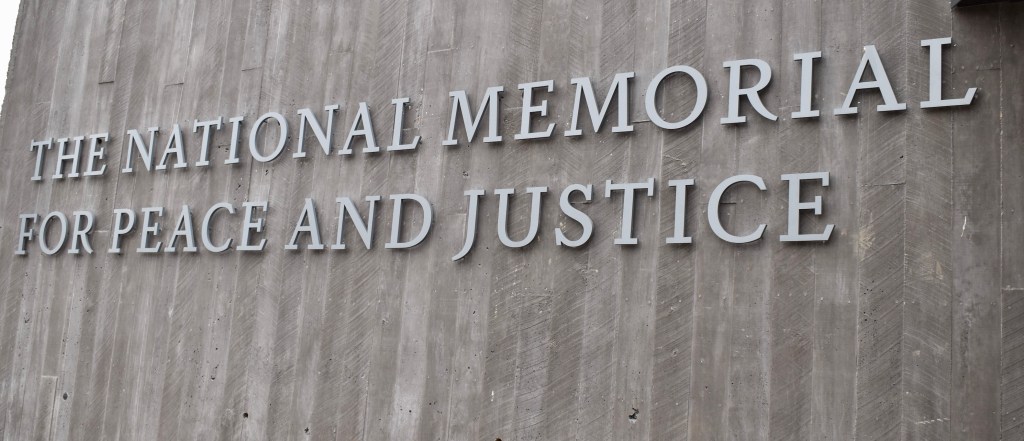
Montgomery: The National Memorial for Peace and Justice

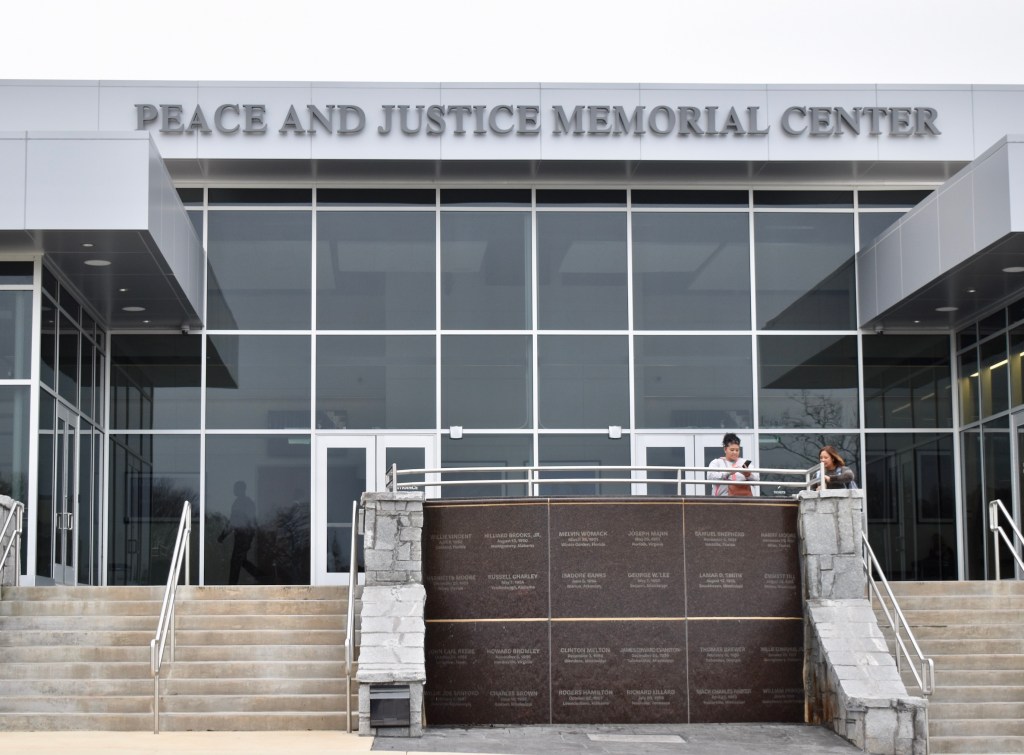
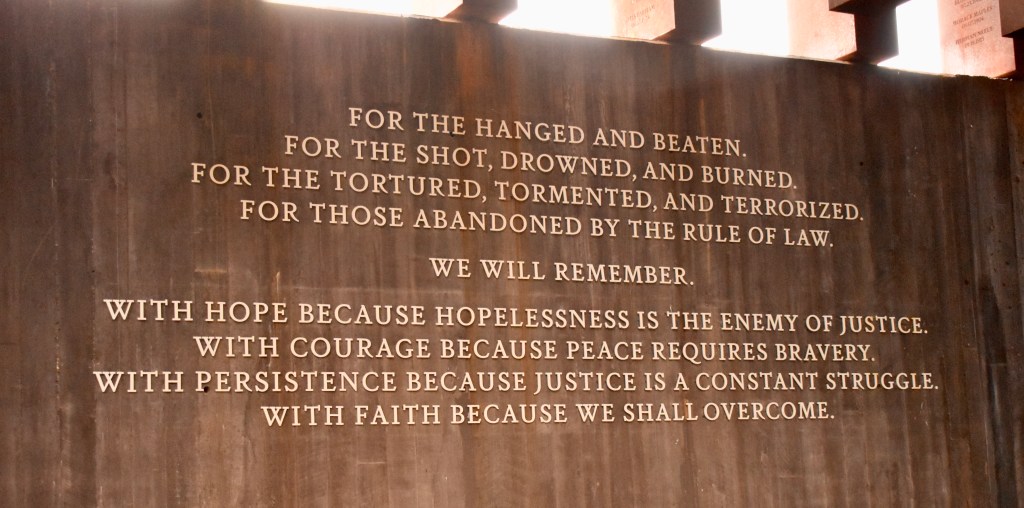
We visited the Monument at the Peace and Justice Memorial Center created by the Equal Justice Initiative. The experience brought about in us an increased awareness that lynching was and is as much a terrorist activity as any horror we are fighting in the so-called War on Terror today.

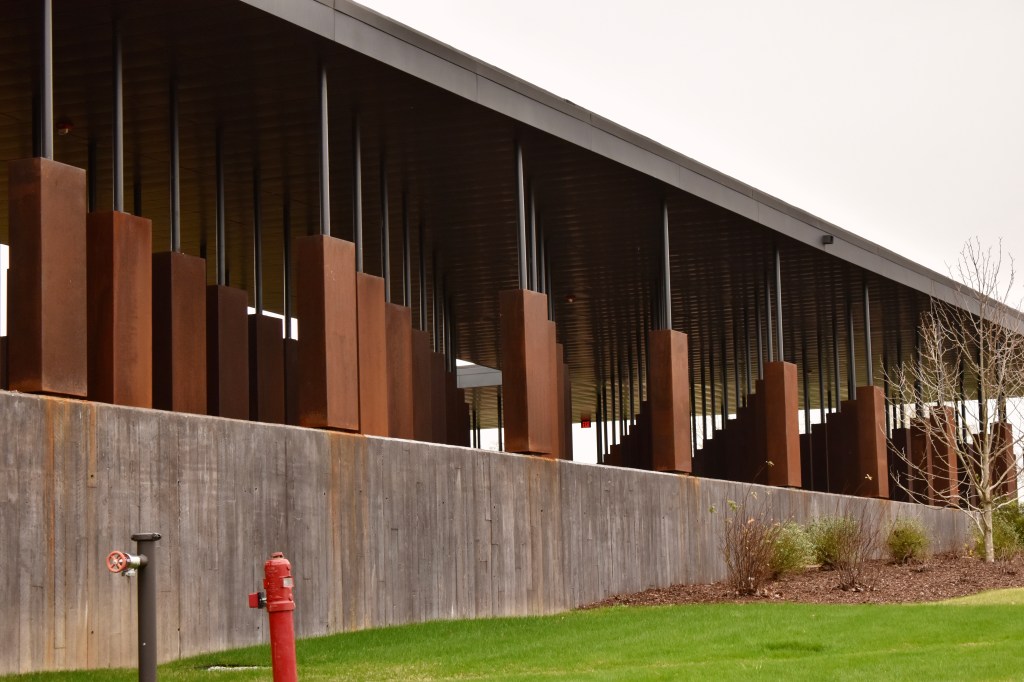
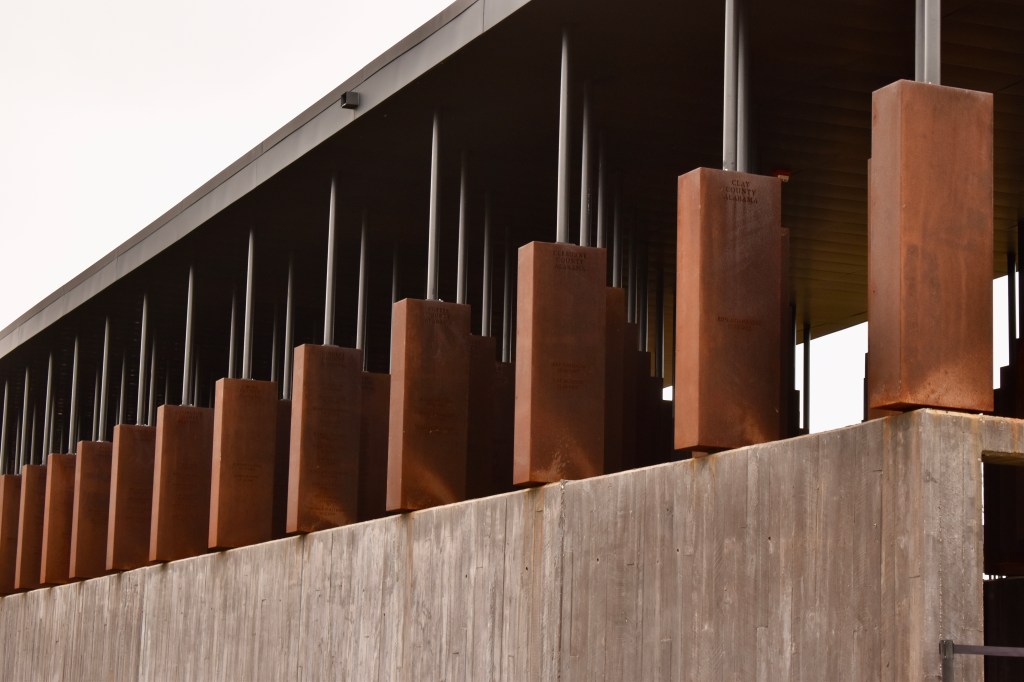
The names on the front of the Memorial Center include 24 women and men lynched or killed in racially motivated attacks during the 1950’s that sparked the protests and activism of the 1960’s. They include Samuel Shepard, Harry and Harriette Moore, and Emmett Till. In most cases, no person was prosecuted or convicted for the killing.

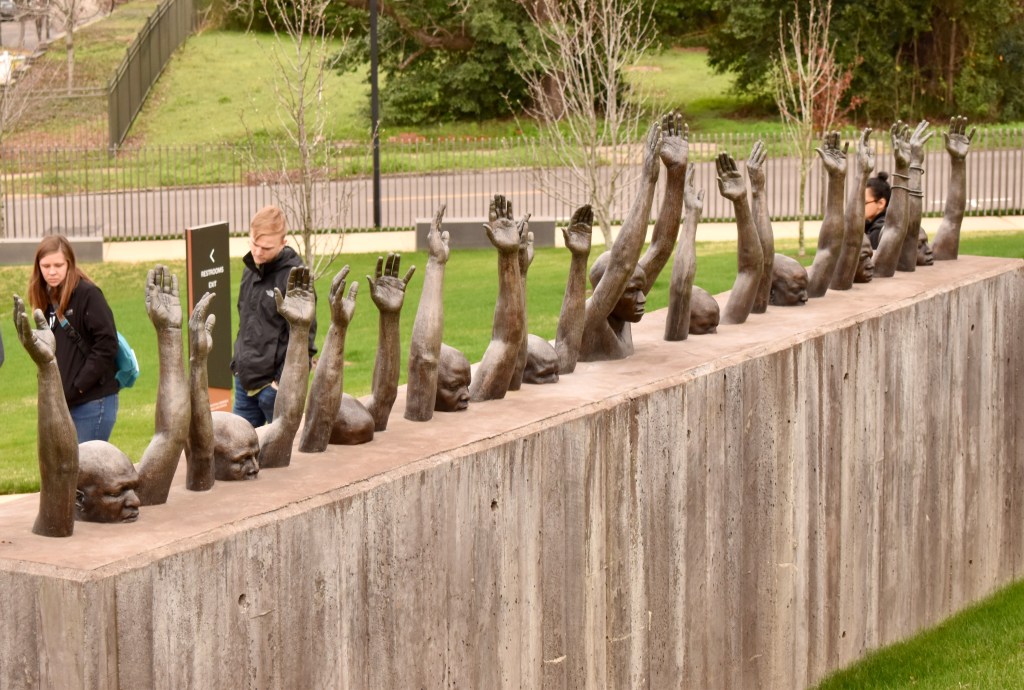
The approach to the Monument is a long walkway with sculptures of enslaved people.

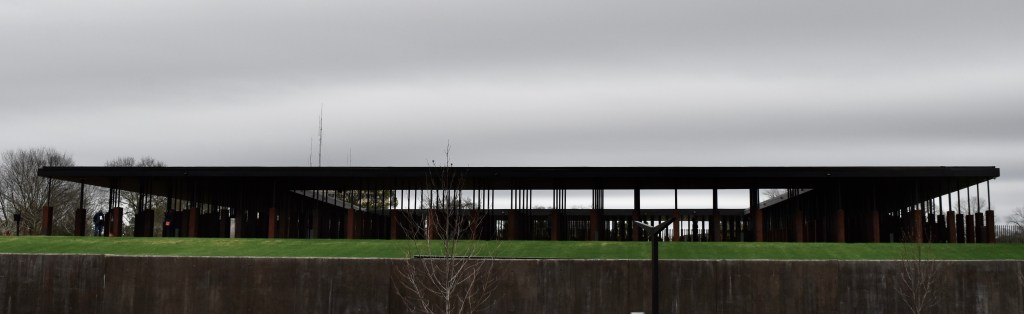
The Monument
The Monument
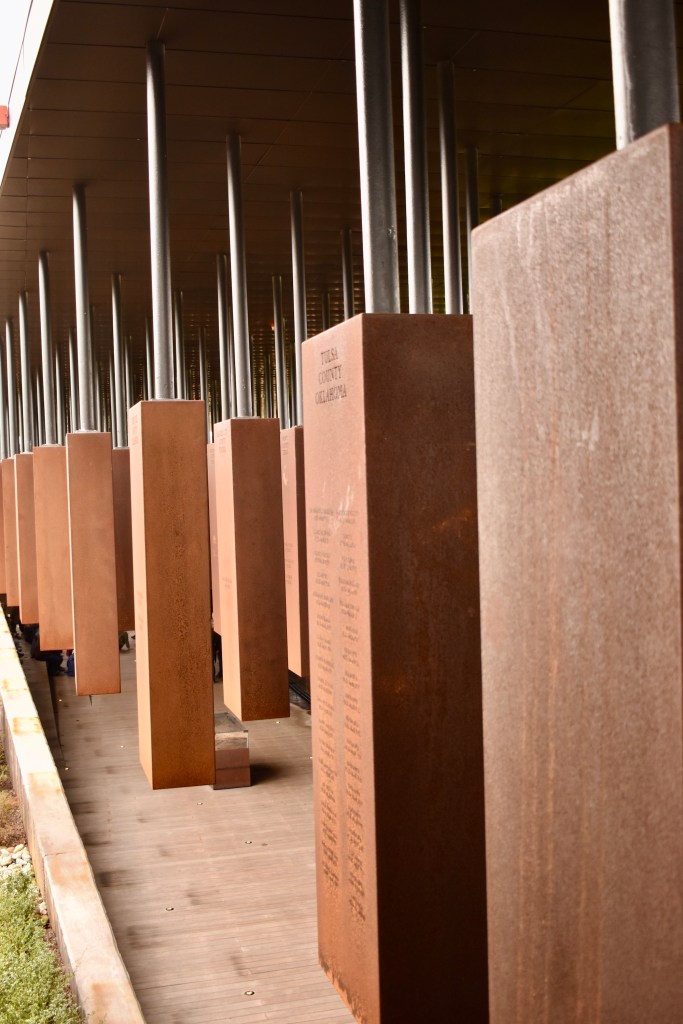
Each column represents one county in the United States where racially motivated lynchings took place and lists the names of the victims, if known. At the beginning we walked among the columns.
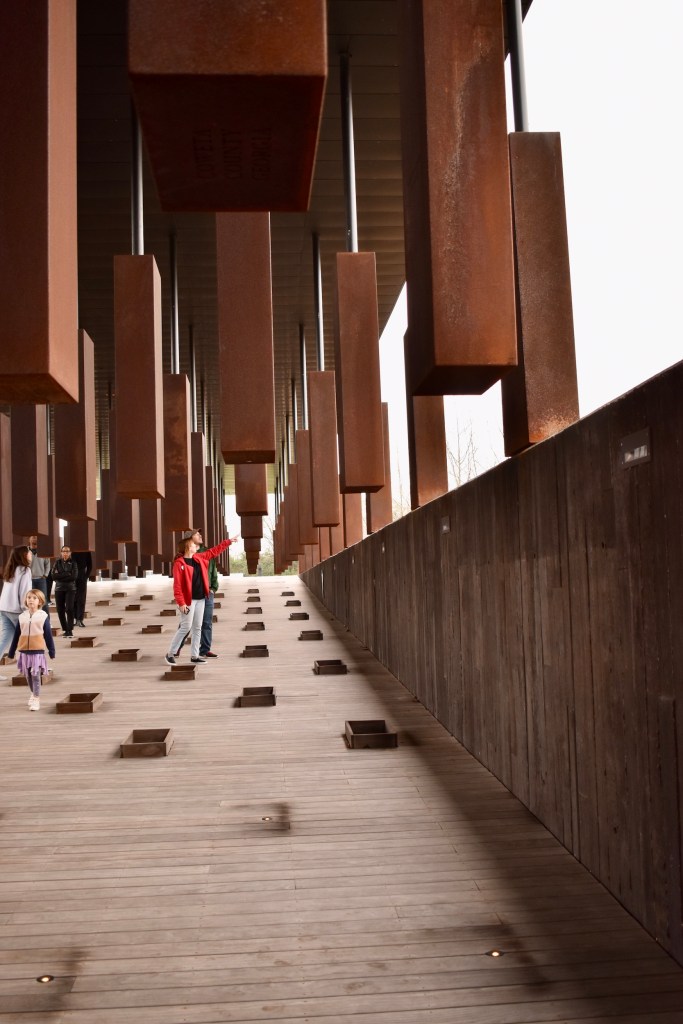
Proceeding through the exhibit we walked down a long ramp
Until the columns were hanging over our heads.


There are more than 800 columns.


We were stunned at the number of documented lynchings and killings that occurred. We also wonder at how little has been told about this history. As with the holocaust and apartheid, bringing it to light is important to begin to prevent further wrongs against people of color.

After we exited the Memorial, we came upon the Hank Willis Thomas sculpture dedicated to the victims of American white supremacy.
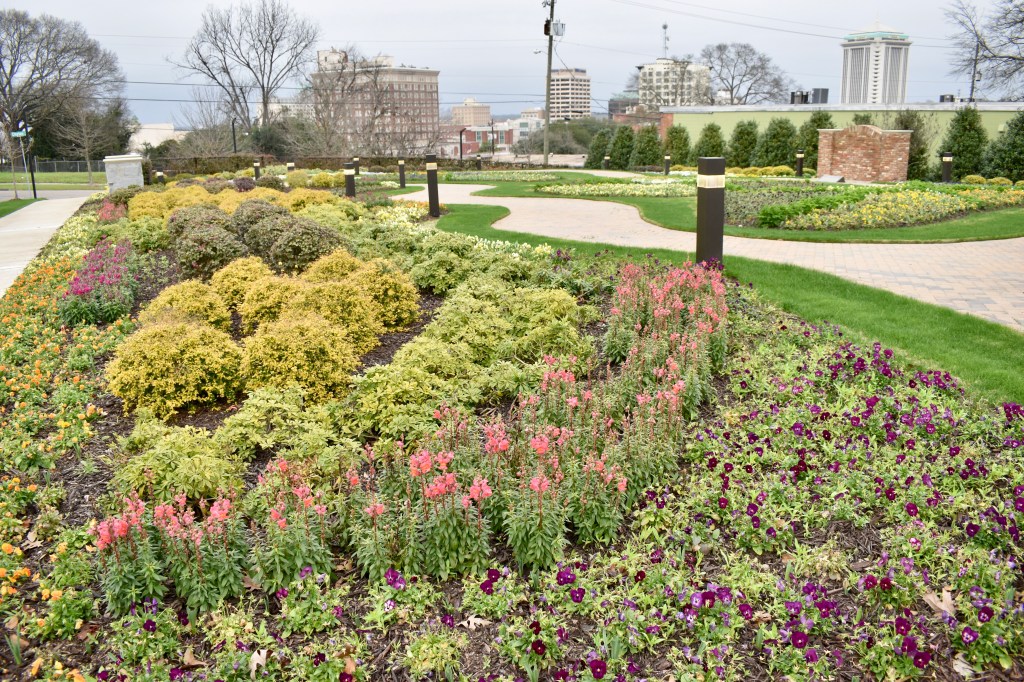
The gardens at the Memorial are beautiful.
Yes, this is January 18, 2020.

Montgomery, Alabama

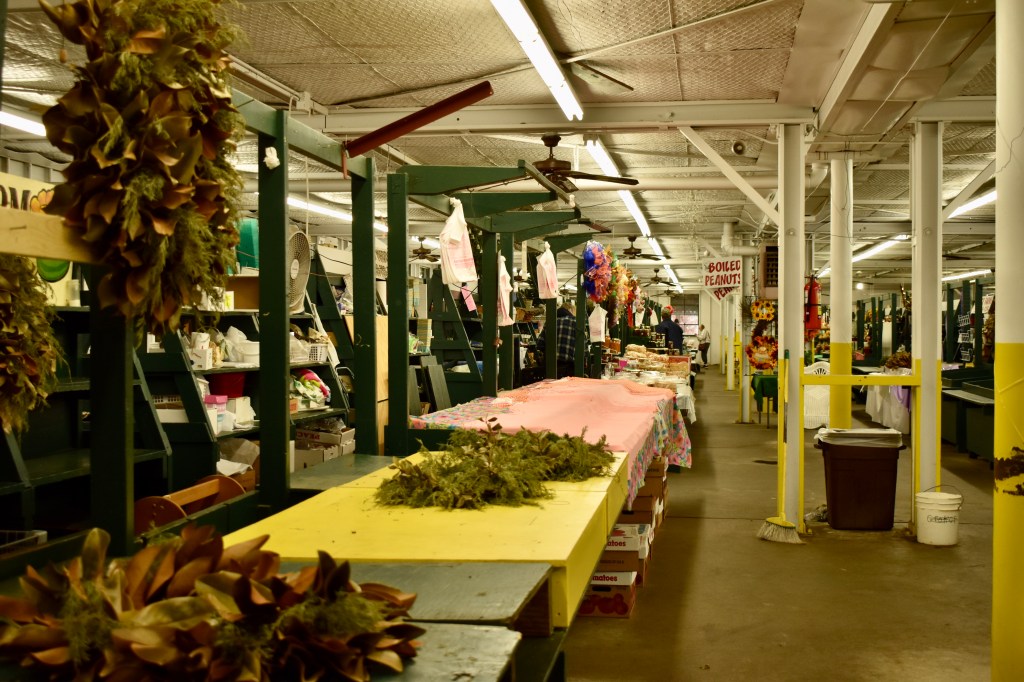
Montgomery Curb Market

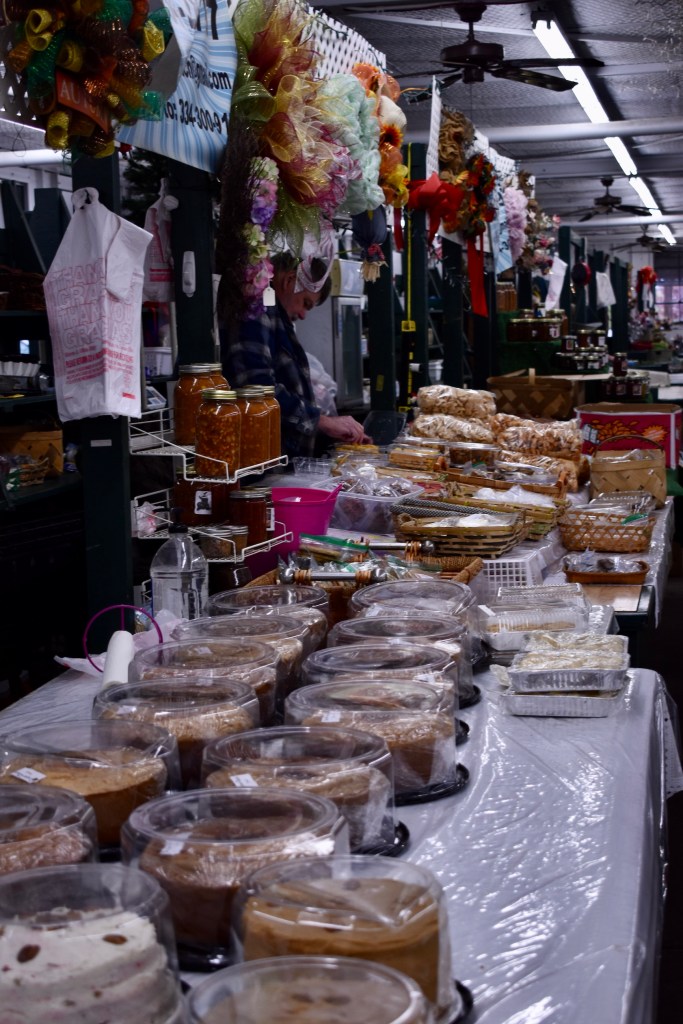
We started the first full day of our visit in Montgomery, a Saturday, going to the Curb Market with Tara. We tried boiled peanuts and bought greens, eggs, and chocolate and caramel cakes.

Famous Cleckler Family Cakes
Tara purchasing eggs
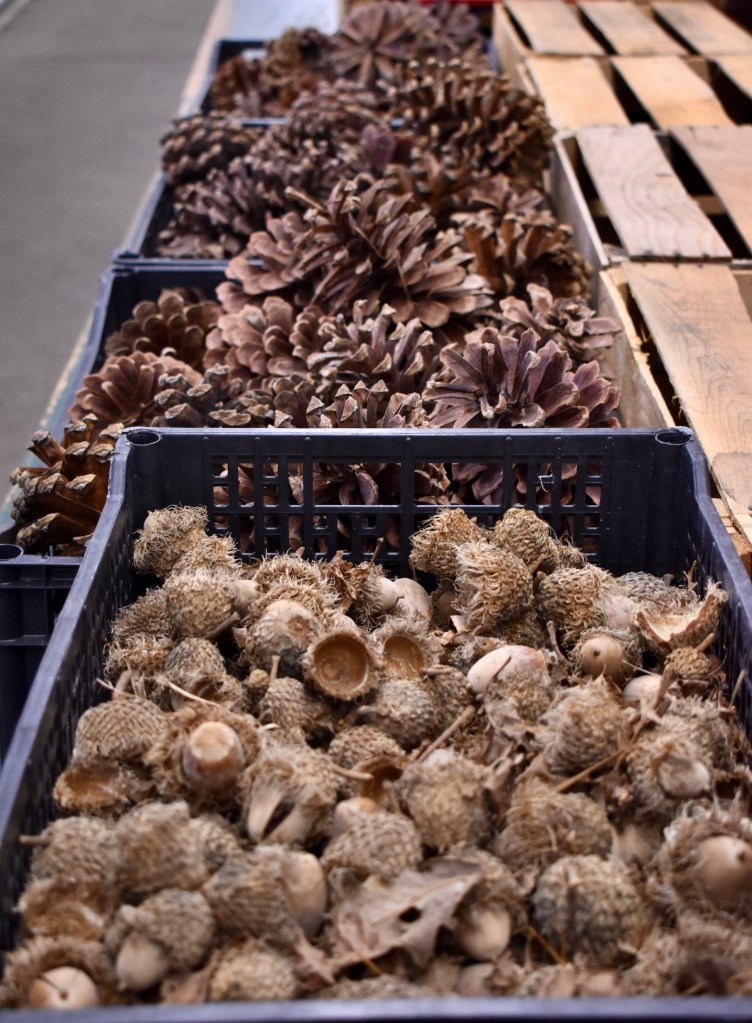
Pine cones and husks
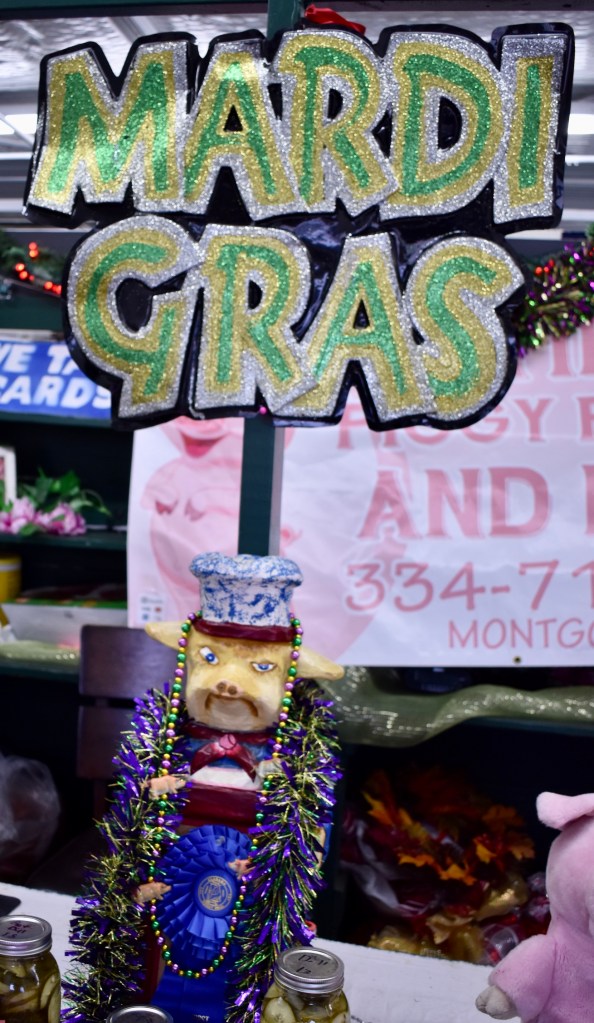
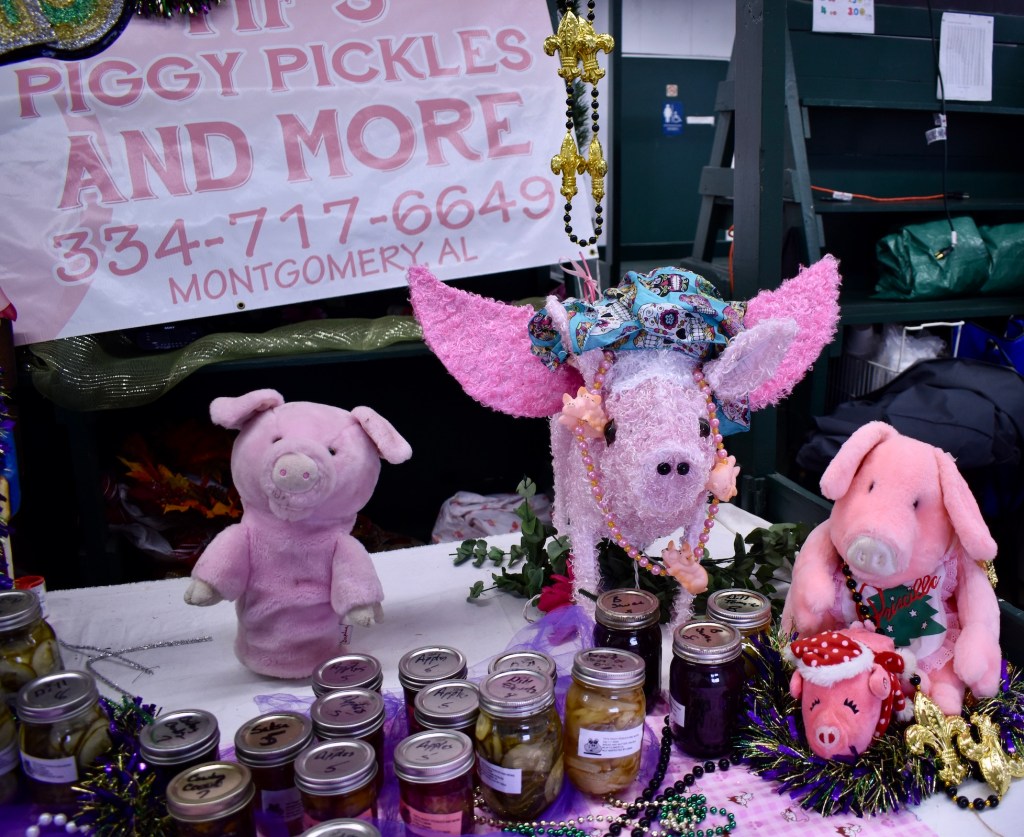
Mardi Gras decorations!
Back at the house Jim made a delicious breakfast using the eggs and greens (spinach) with toast. During our trip we passed the famous church where Martin Luther King Jr. had been the pastor and where he directed many of the early civil rights activities. The church was started by slaves in the 1880’s.

The Dexter Avenue King Memorial Baptist Church
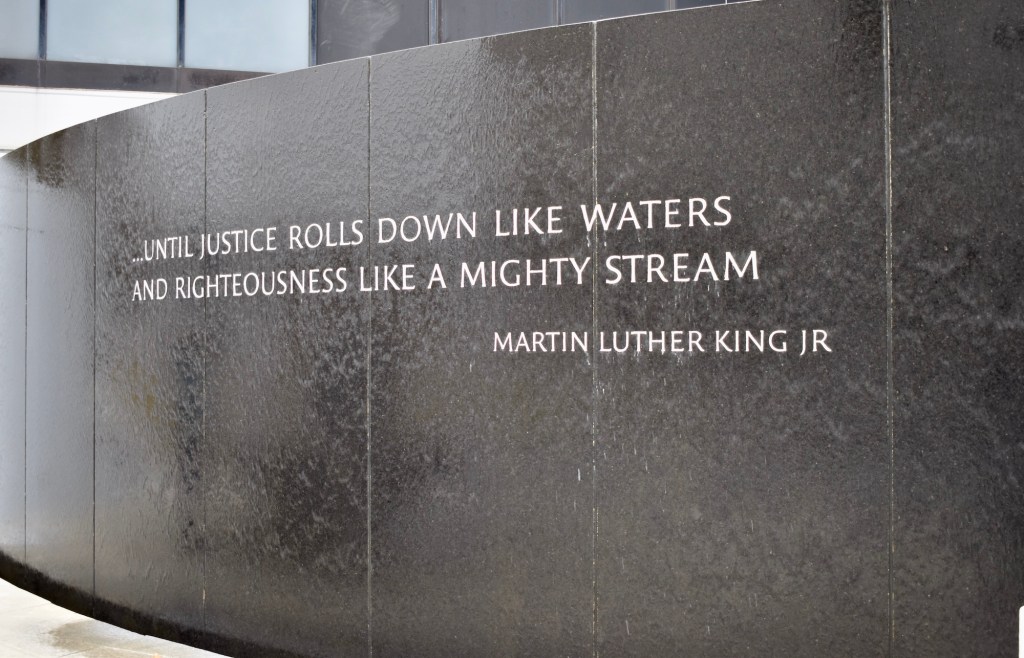
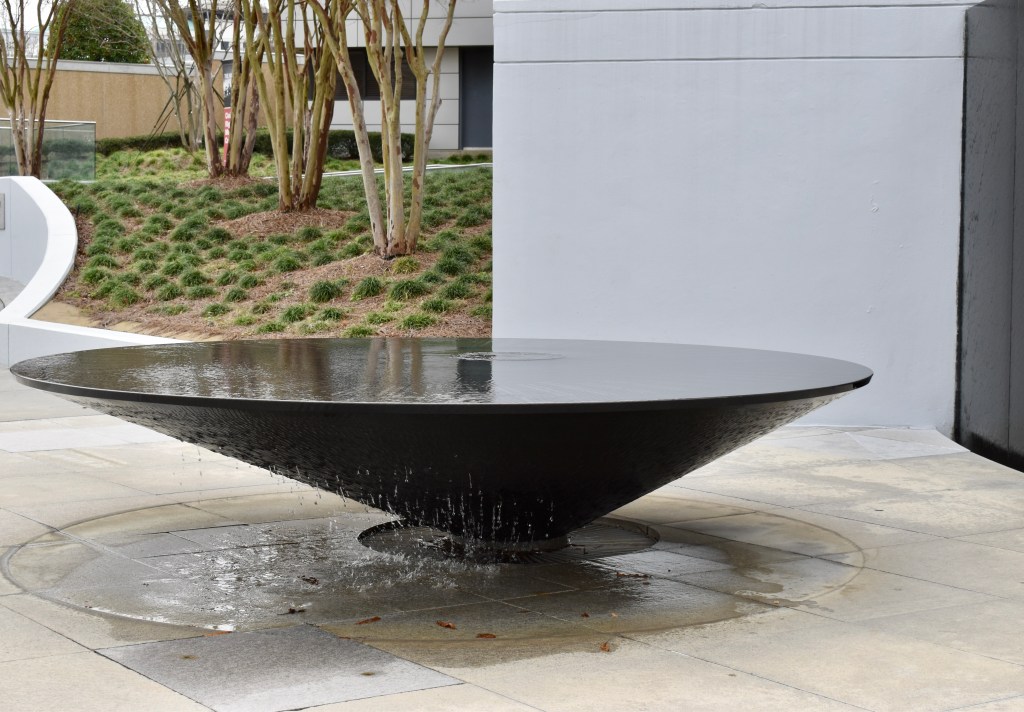
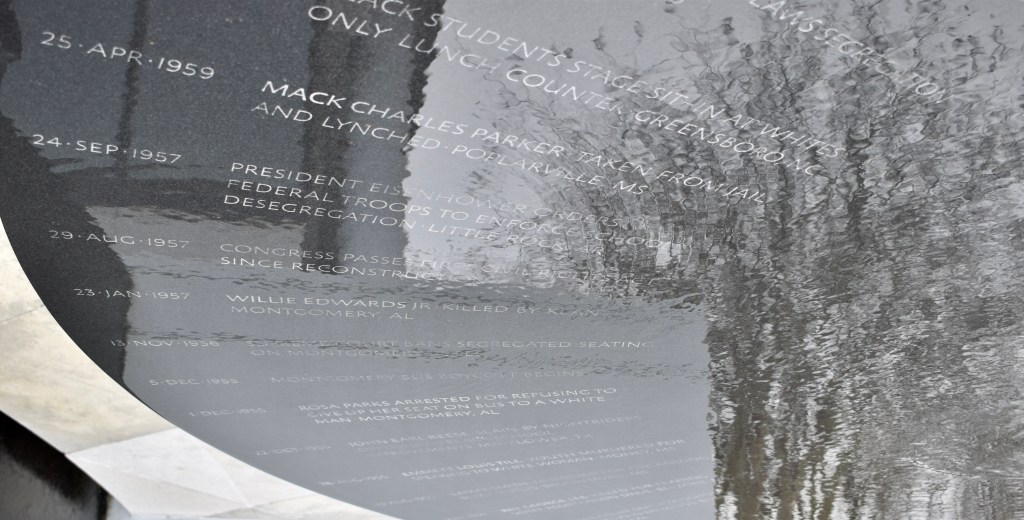
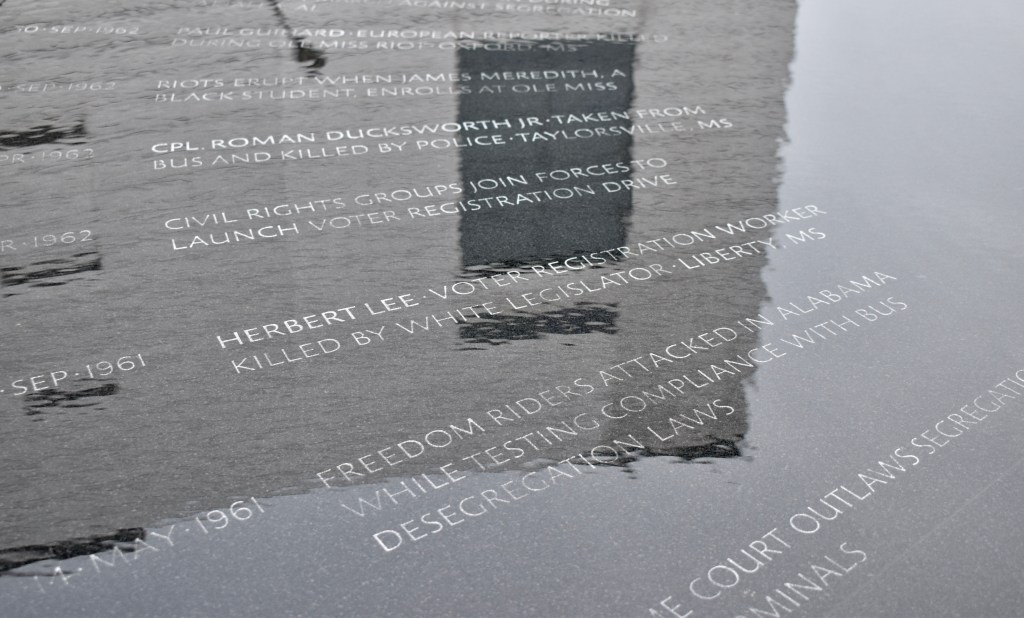
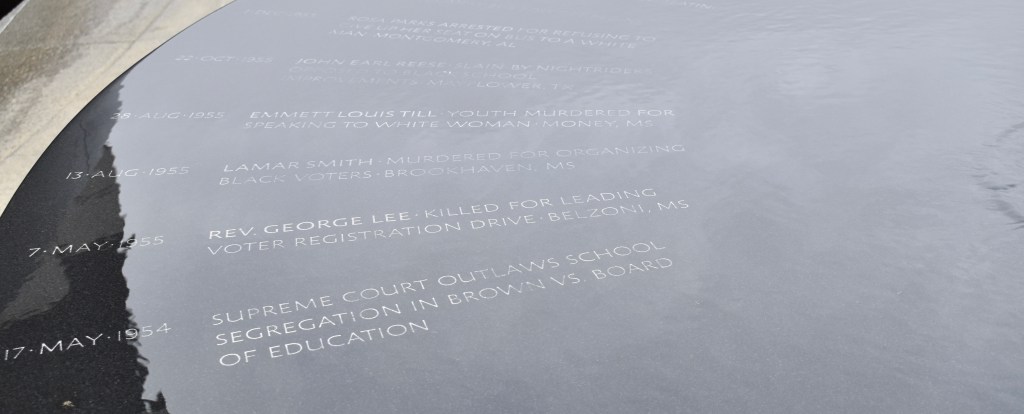
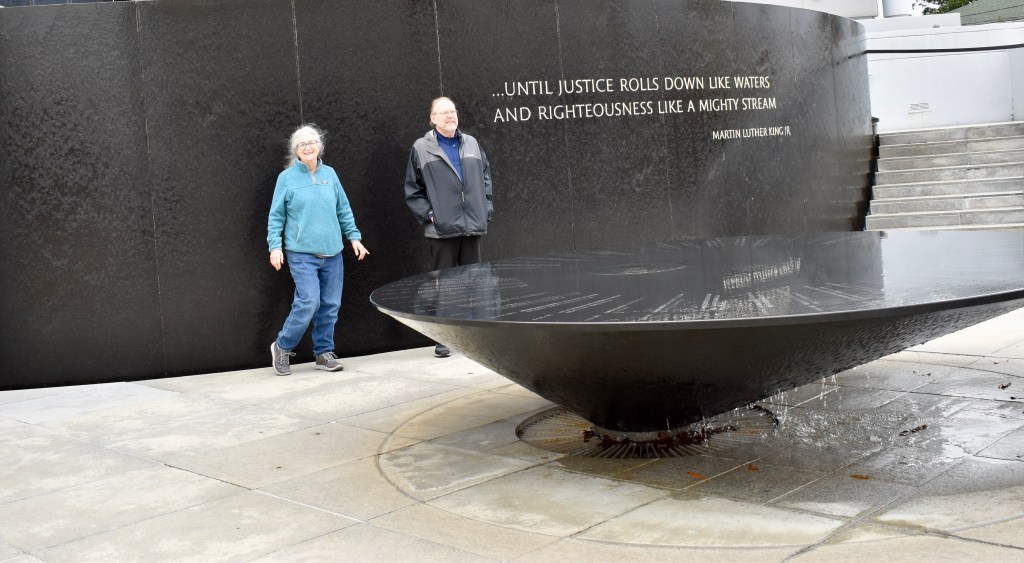
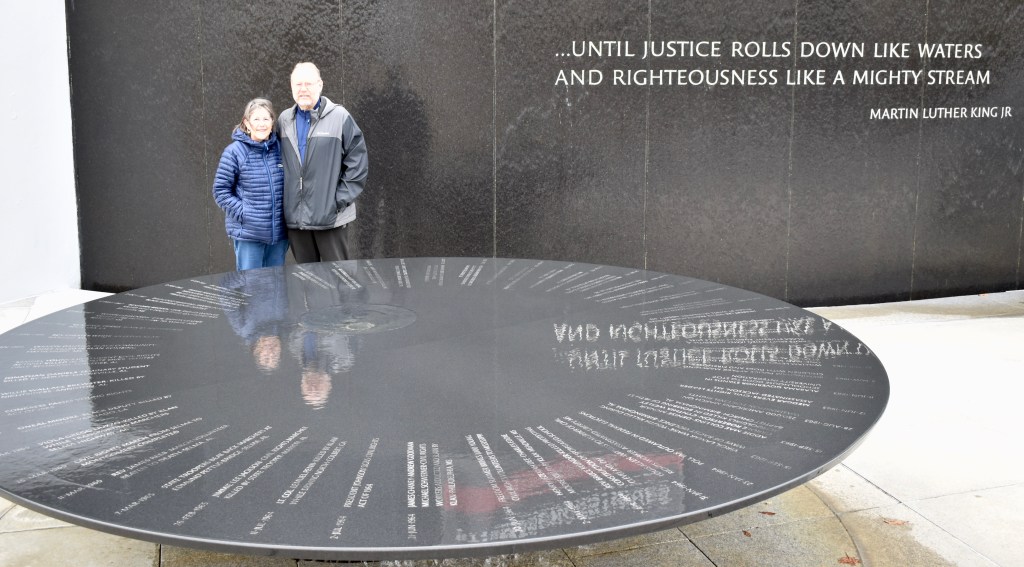
Civil Rights Memorial by Maya Lin

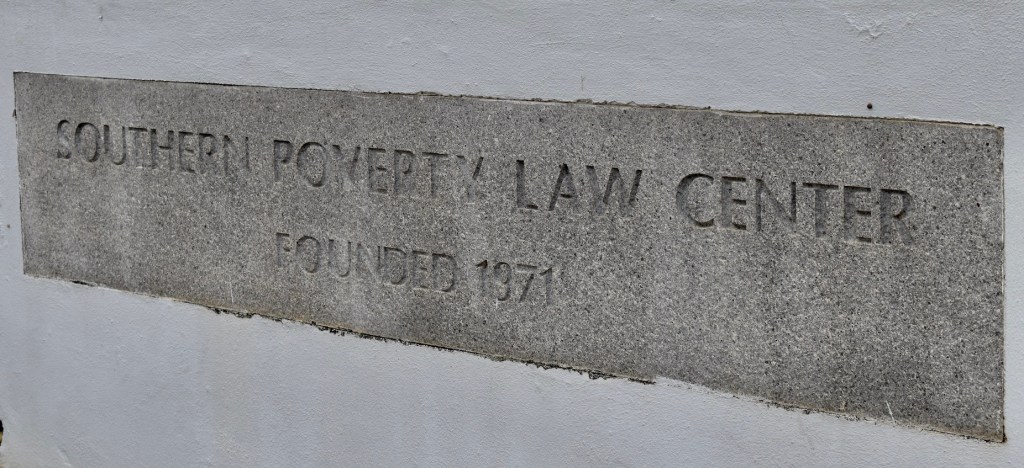
Maya Lin designed the famous Vietnam Memorial in Washington, DC. She also created a Civil Rights Memorial near the Southern Poverty Law Center in Montgomery. This conveys many events in the history of the movement and commemorates many persons who sacrificed for the movement.

Tara and Doug
Judy & Doug

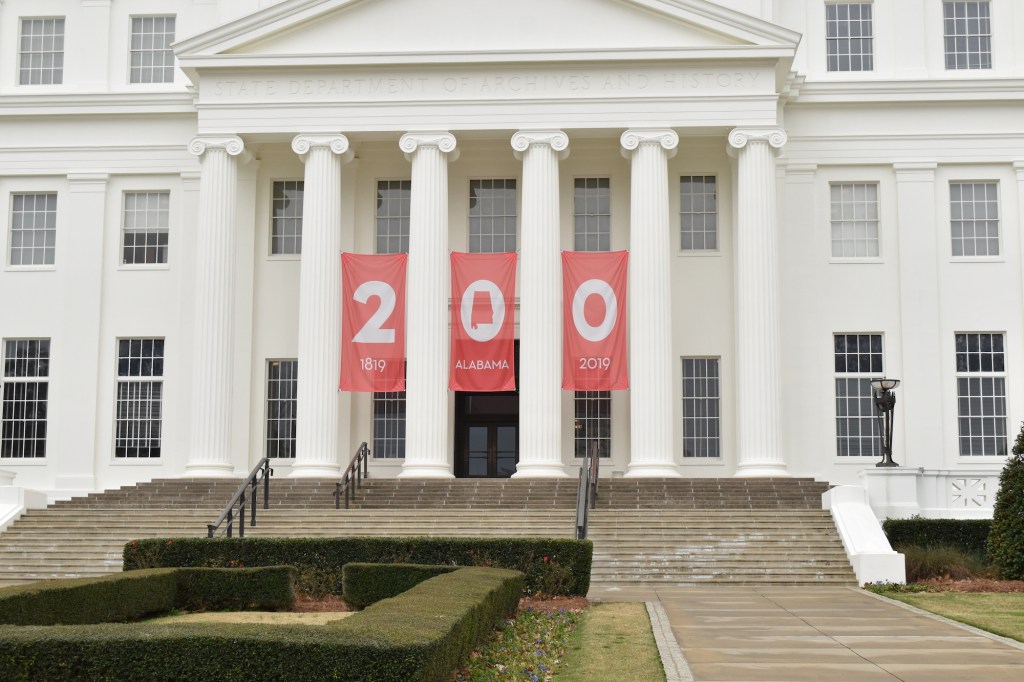
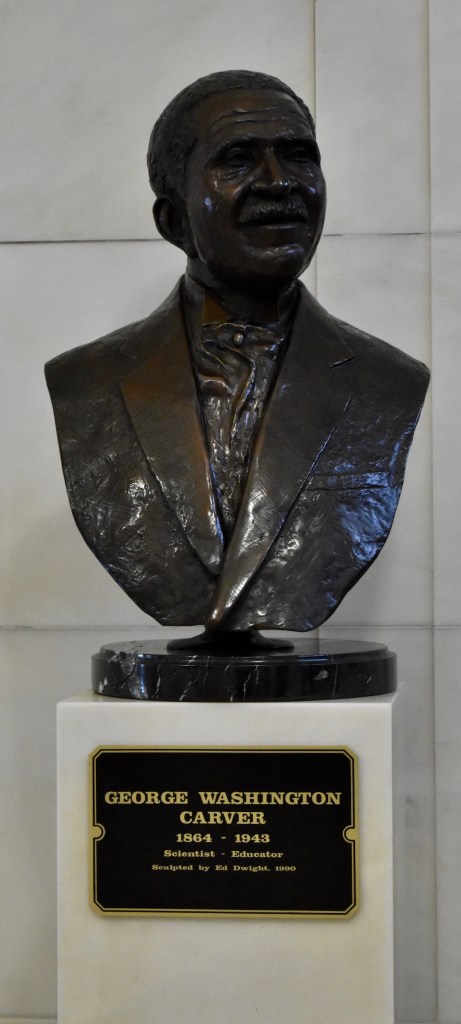
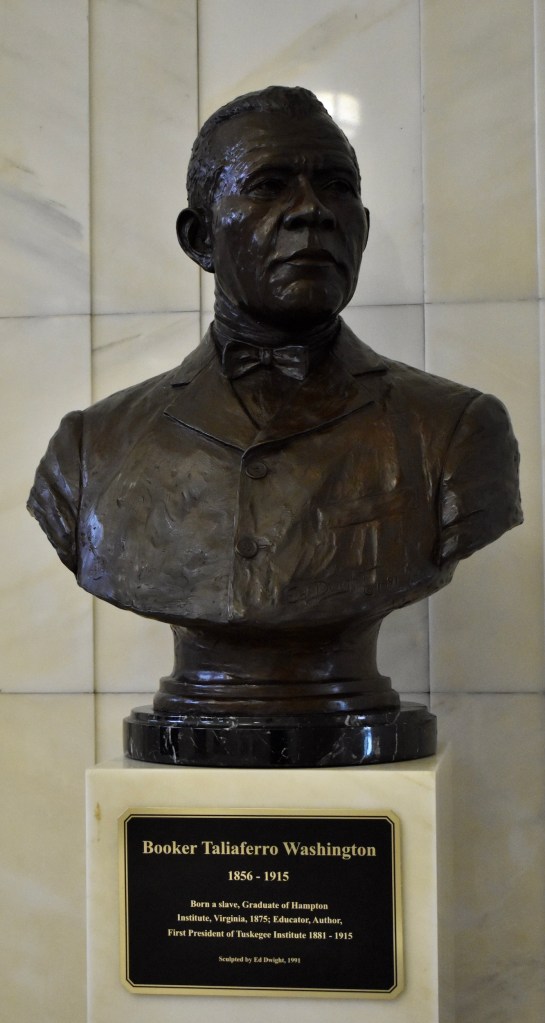
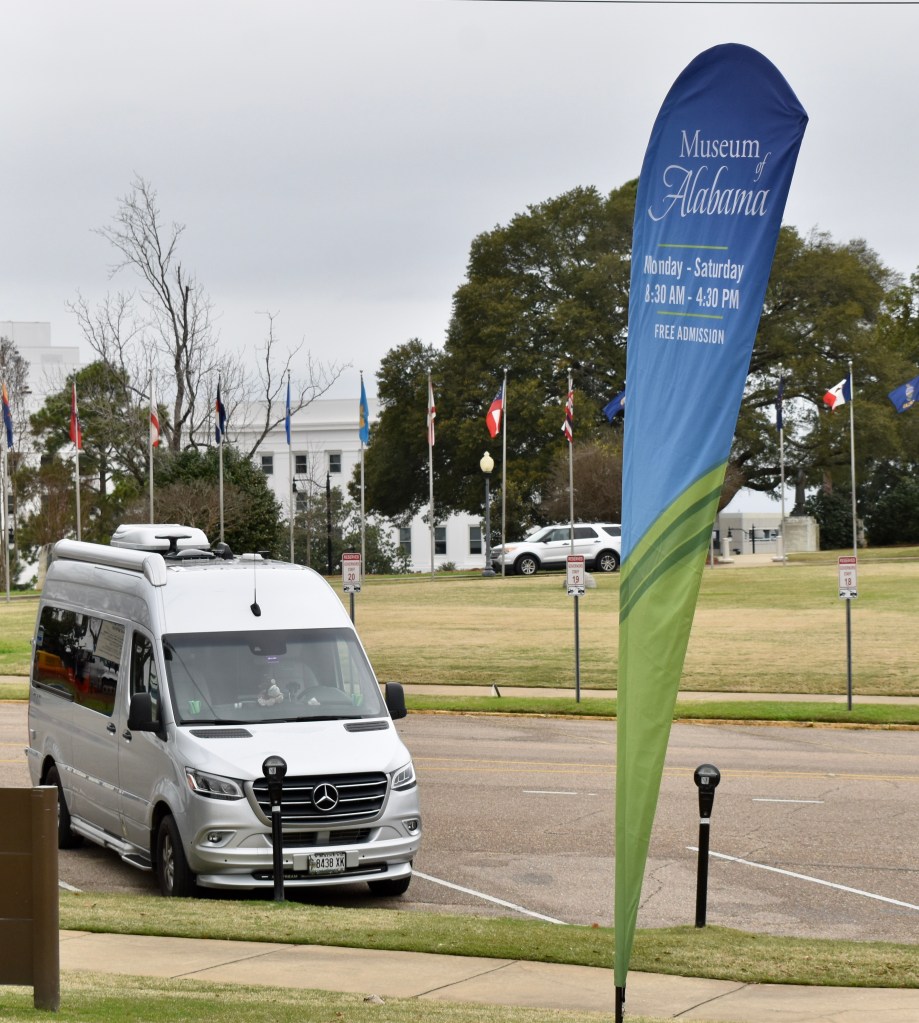
After breakfast Doug and Judy headed to the Museum of Alabama at the Alabama Department of Archives & History, where we were immersed in all aspects of the state’s history, from geology to economics to politics.

Alabama Department of Archives & History

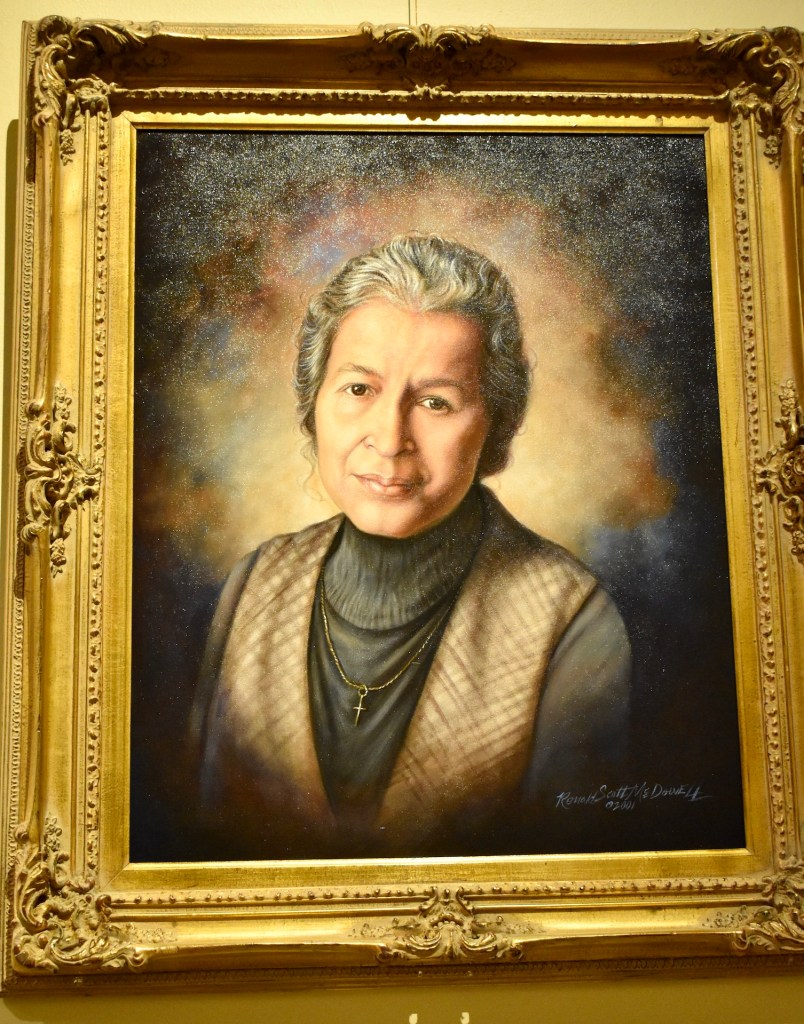
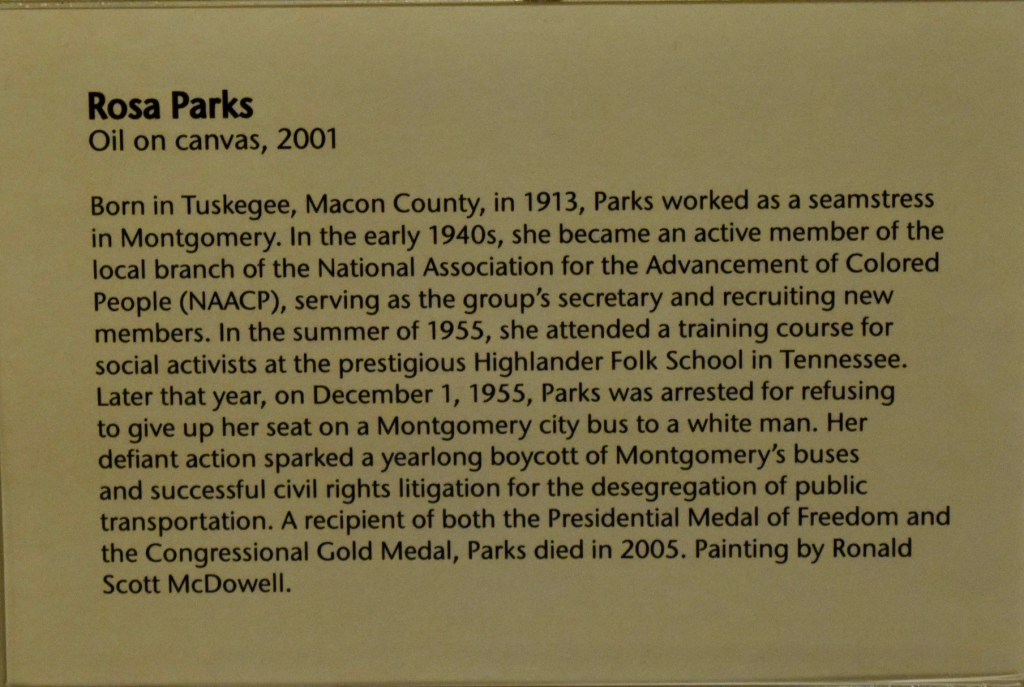
Rosa Parks

Do you see anyone you know?
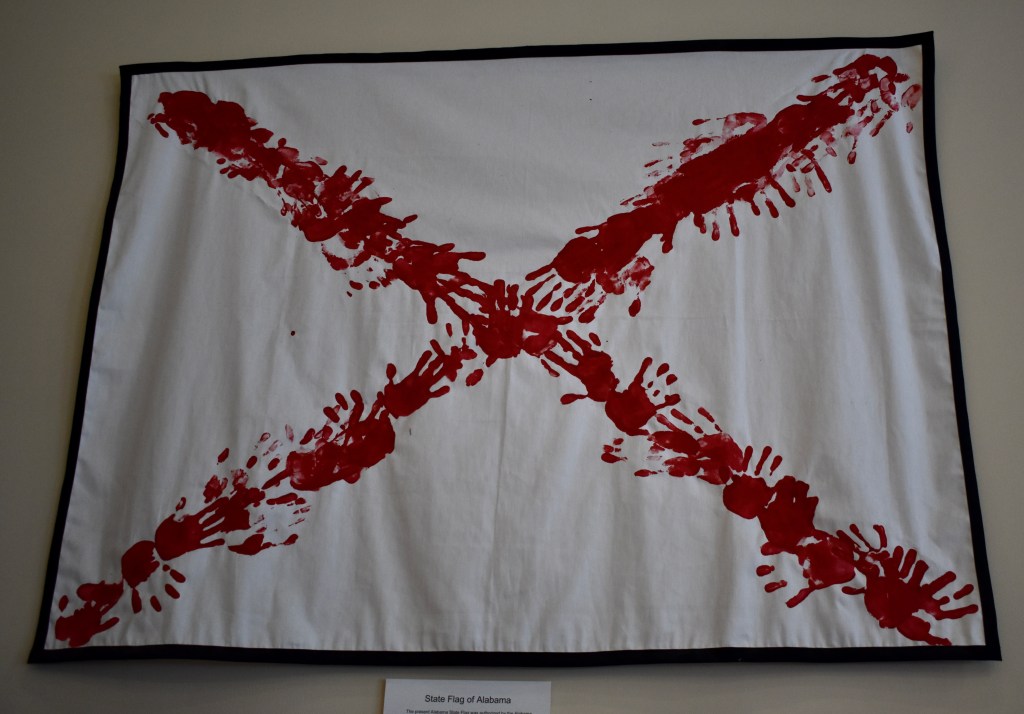
Alabama Flag

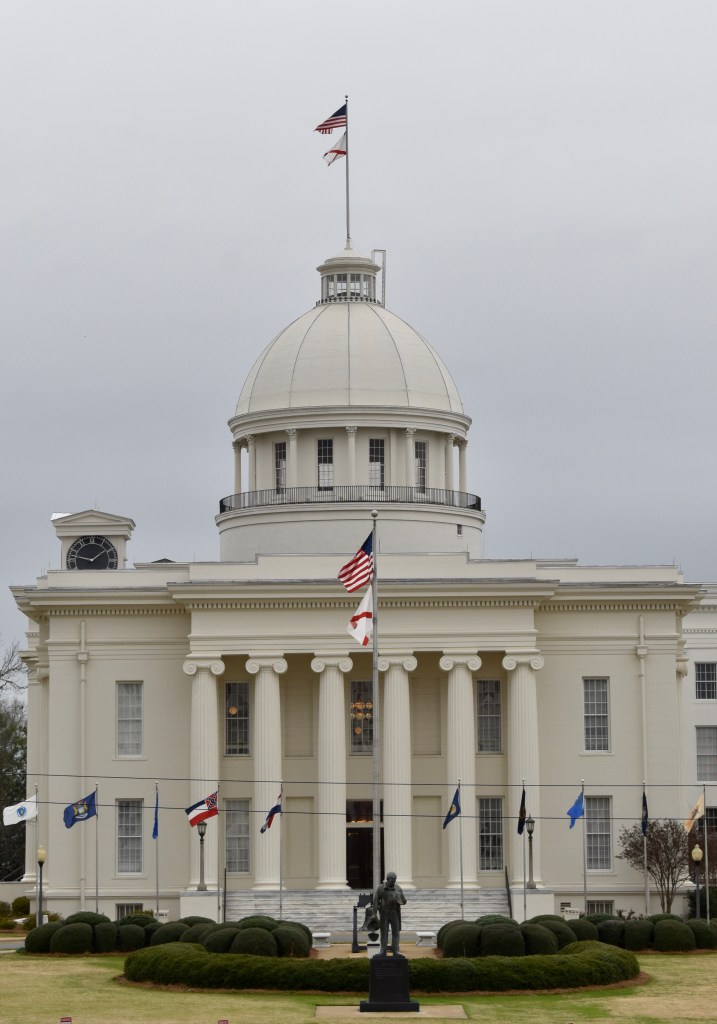
Across the park is the Alabama Statehouse.

Selma, Alabama

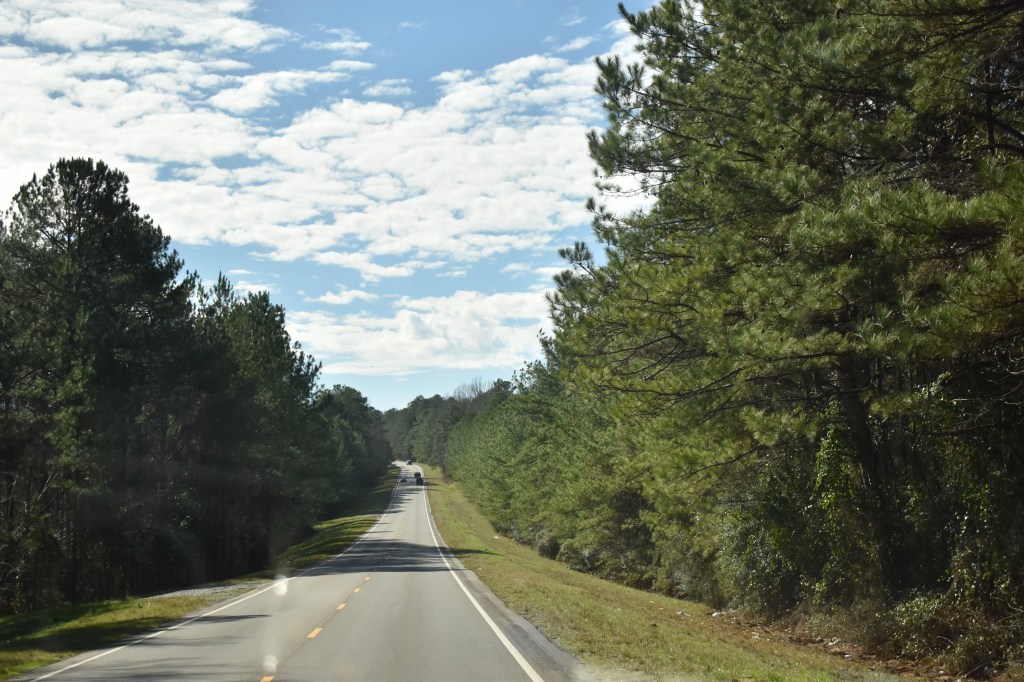
We drove south from our campsite in Pelham, south of Birmingham, through the countryside. A lot of it was timberlands, some cut and some replanted, and a lot of farmland. In Mapleville we saw a convenience store named “The Barking Frog”.

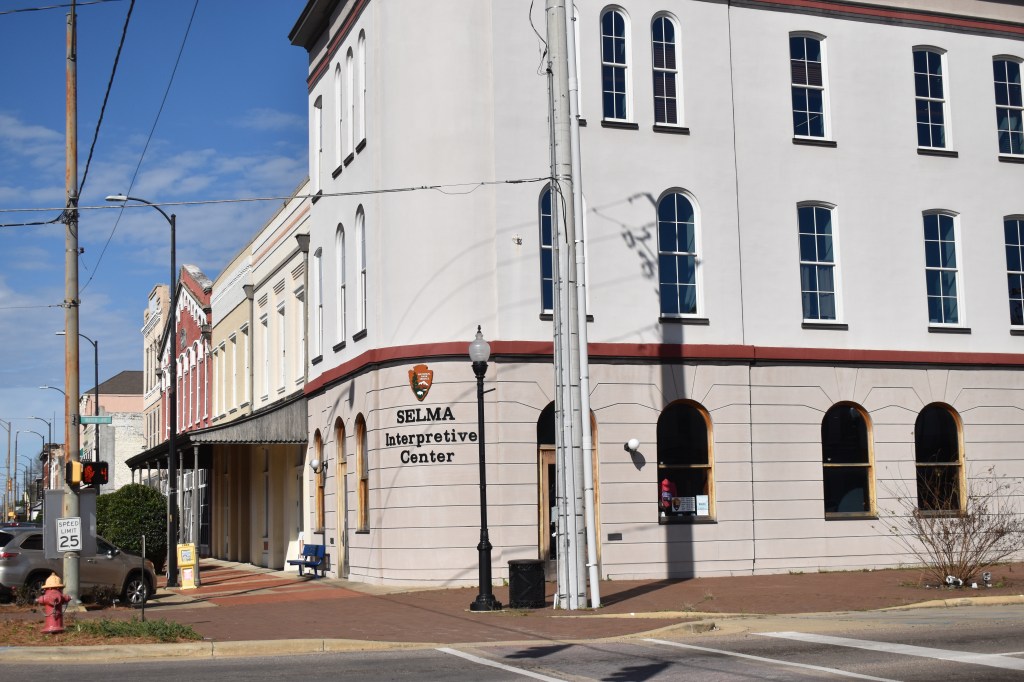
The National Park Service Interpretive Center in Selma is small, but effectively conveys the history of the Marches from Selma to Montgomery in 1965, with false starts and confrontations.

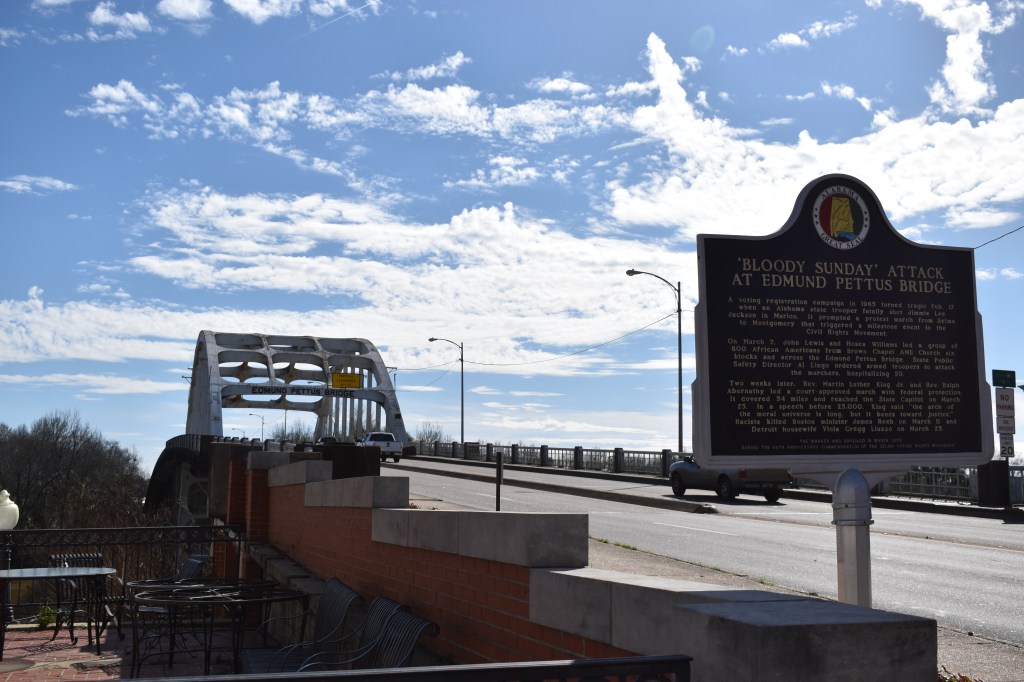
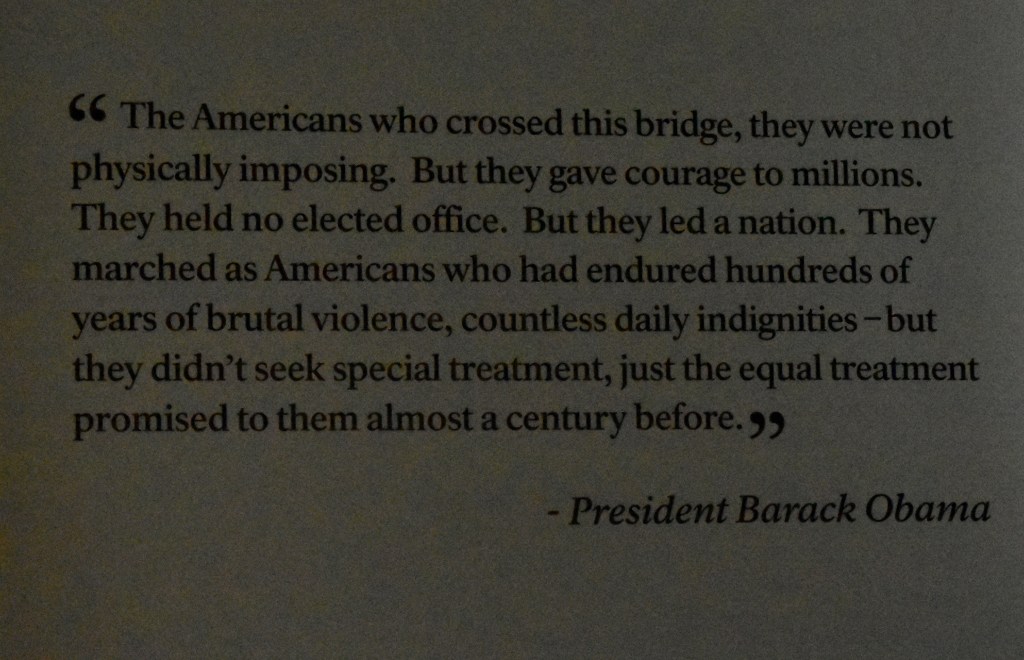
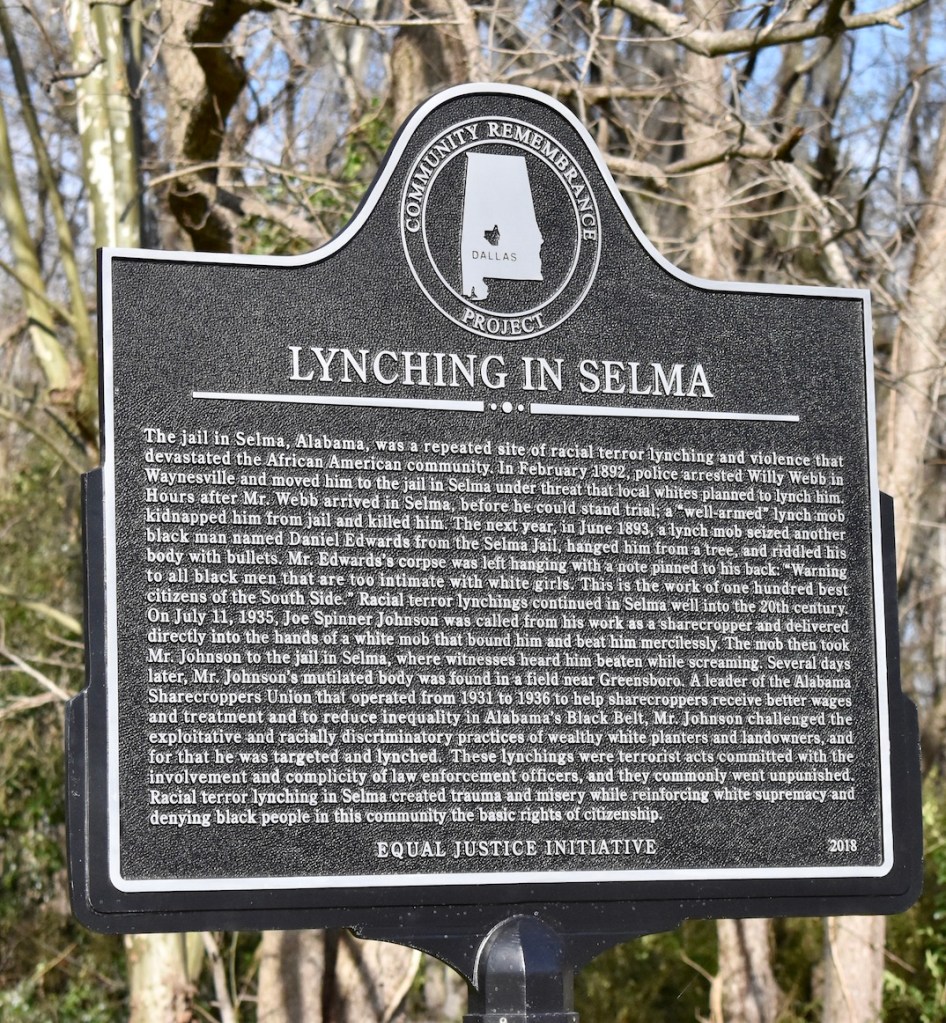
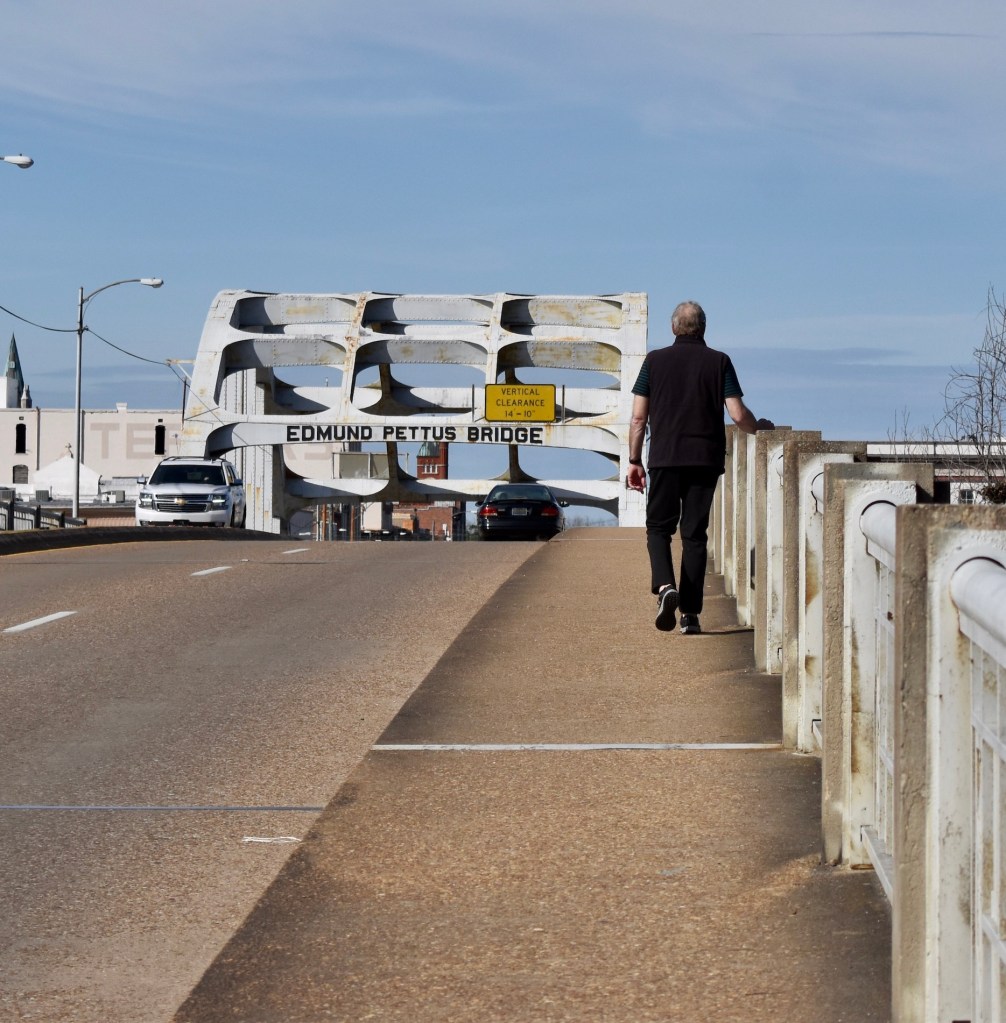
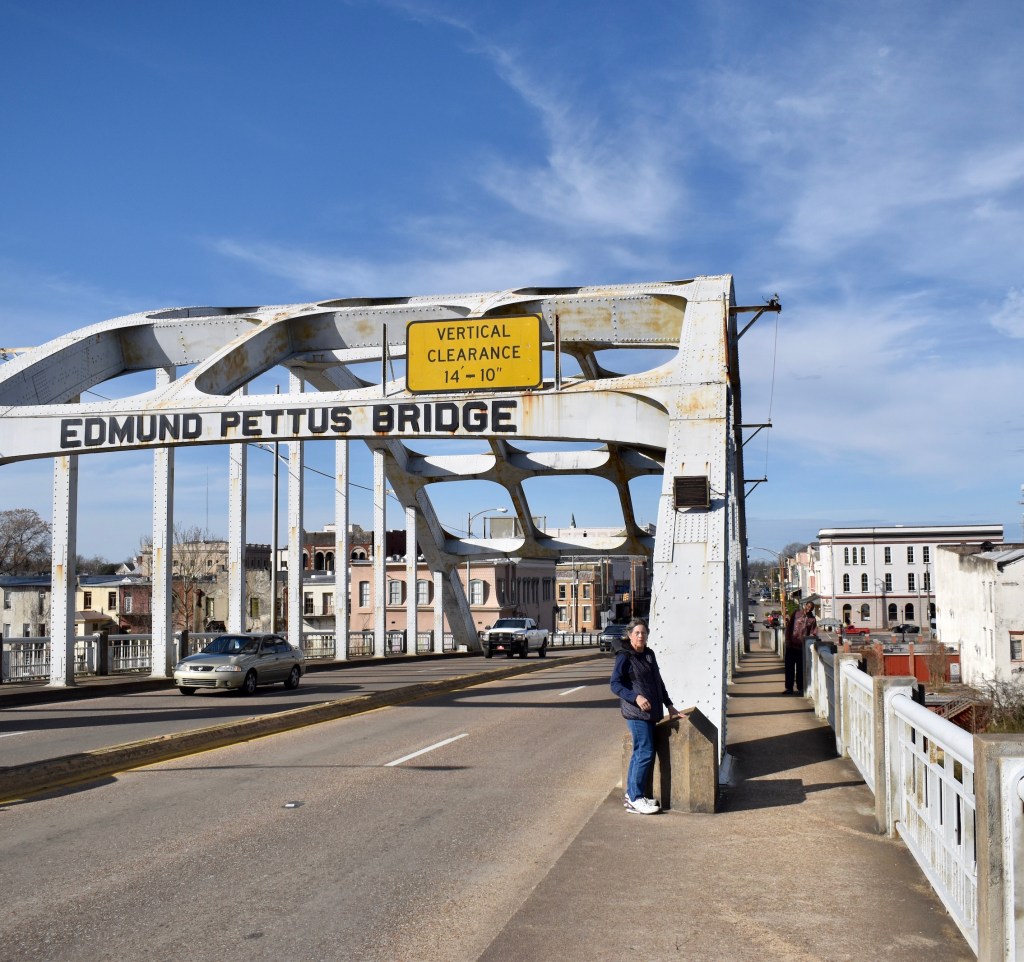
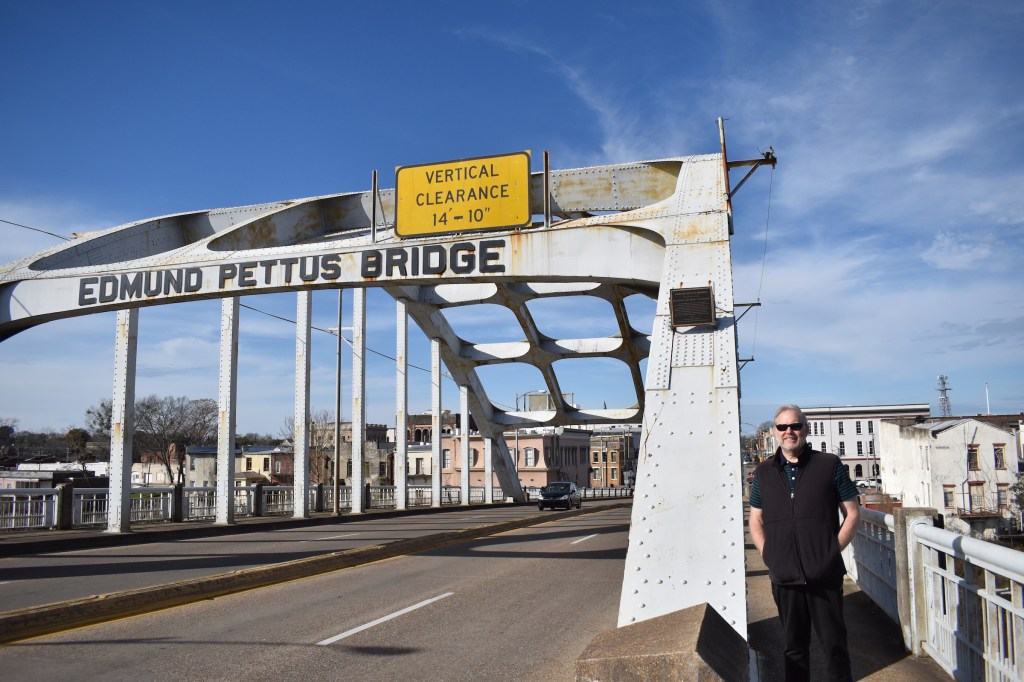
We walked across the Edmund Pettis Bridge out of Selma to a park on the east side with a variety of monuments to the marchers and to unknown slaves. The Lynching in Selma sign by the Equal Justice Initiative was the first clue we had about The National Memorial for Peace and Justice that we would see in Montgomery.

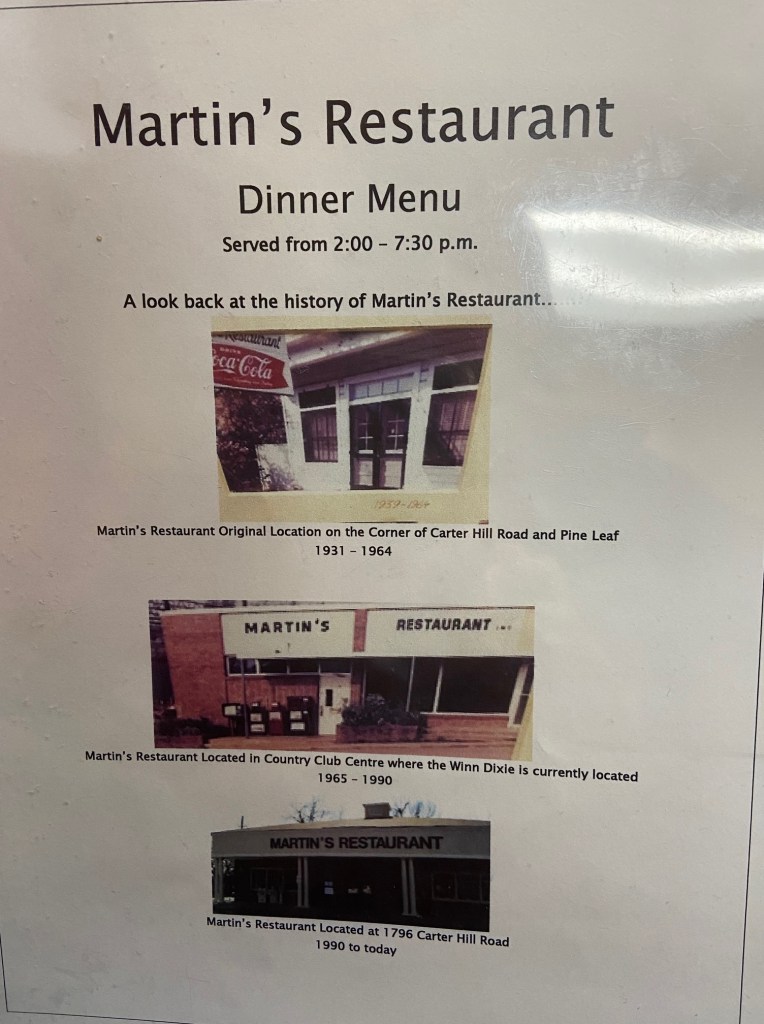
We returned to the Selma side of the bridge and set out along the historic trail from Selma to Montgomery. We arrived at the home of our friends Tara and Jim and had a delicious typical southern cooking dinner at Martin’s Restaurant in Montgomery.

Birmingham, Alabama

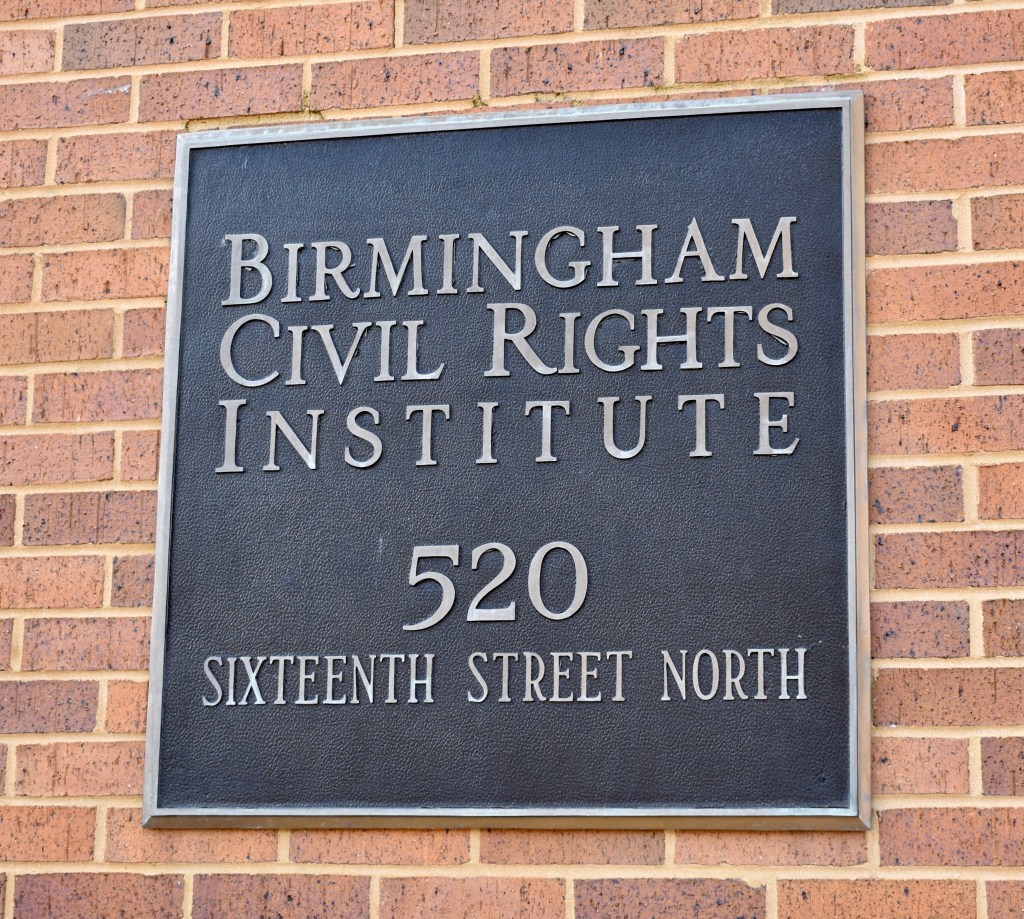
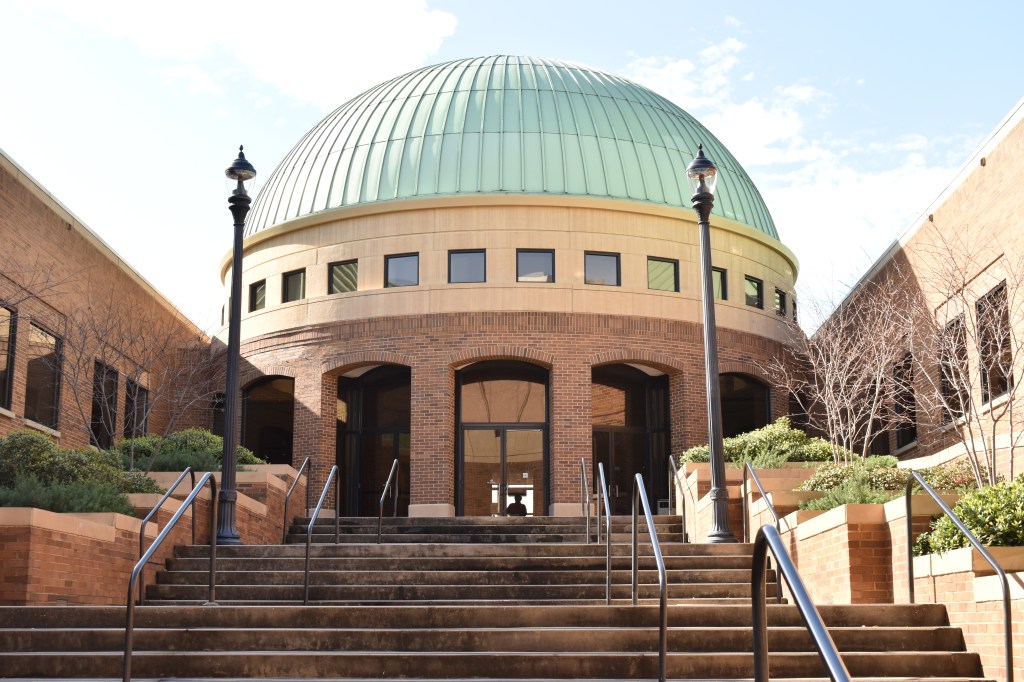
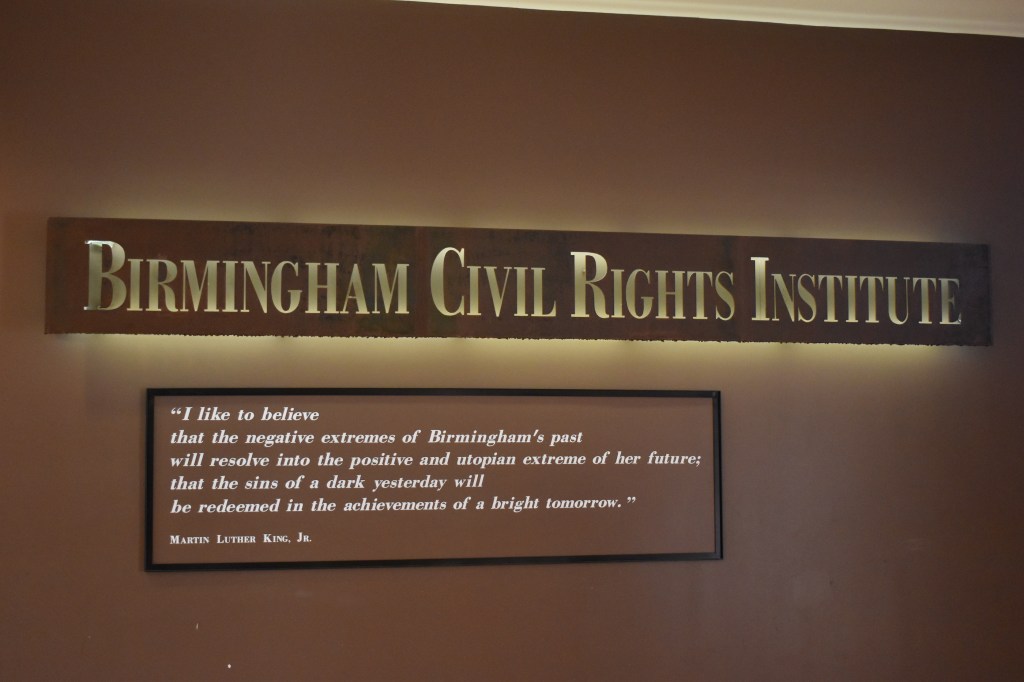
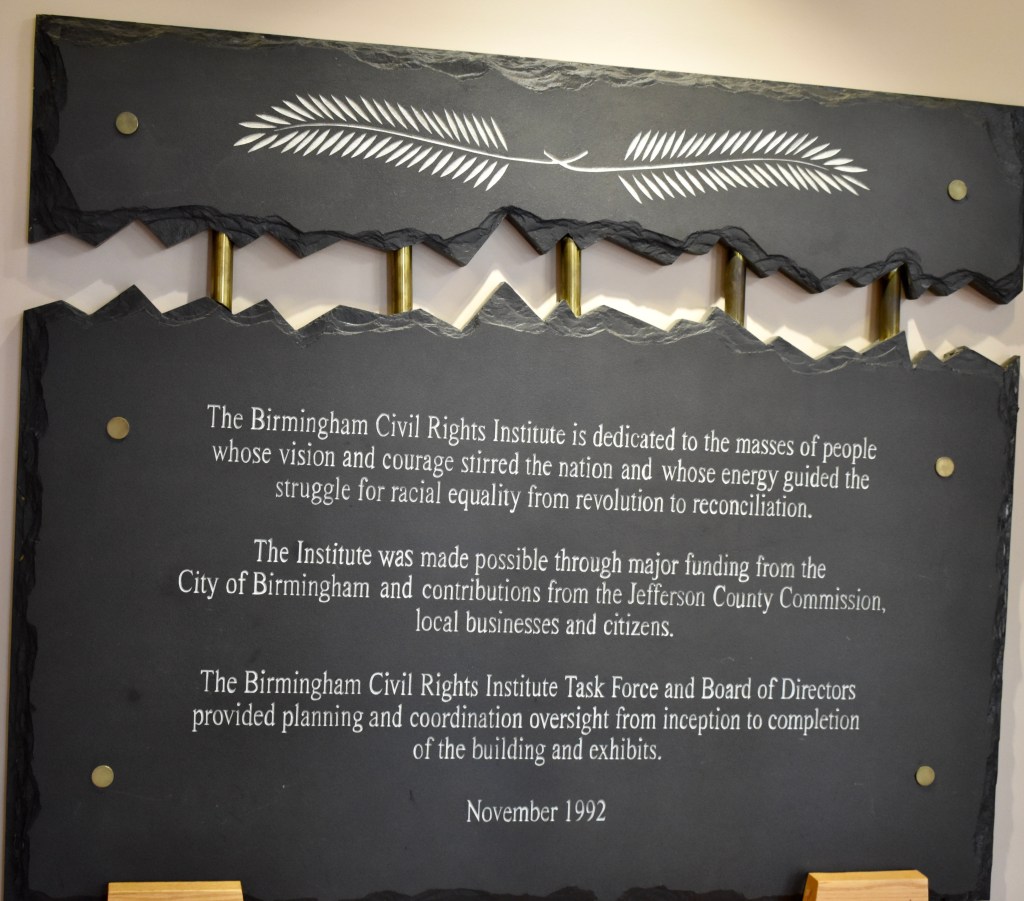
We continued our civil rights education in Birmingham on January 15, 2020, in time for MLK day. The first stop was at the visitor center, where, as usual, the people were very helpful. The Museum of Art held an eclectic collection of glassware, paintings and photography. Dinner was at the Full Moon Bar-B-Que – the “Best Little Pork House in Alabama” – we recommend it! Our campground was in Pelham, south of Birmingham. The next day we returned to Birmingham and spent a good part of the day at the Civil Rights Institute.

Beautiful Building
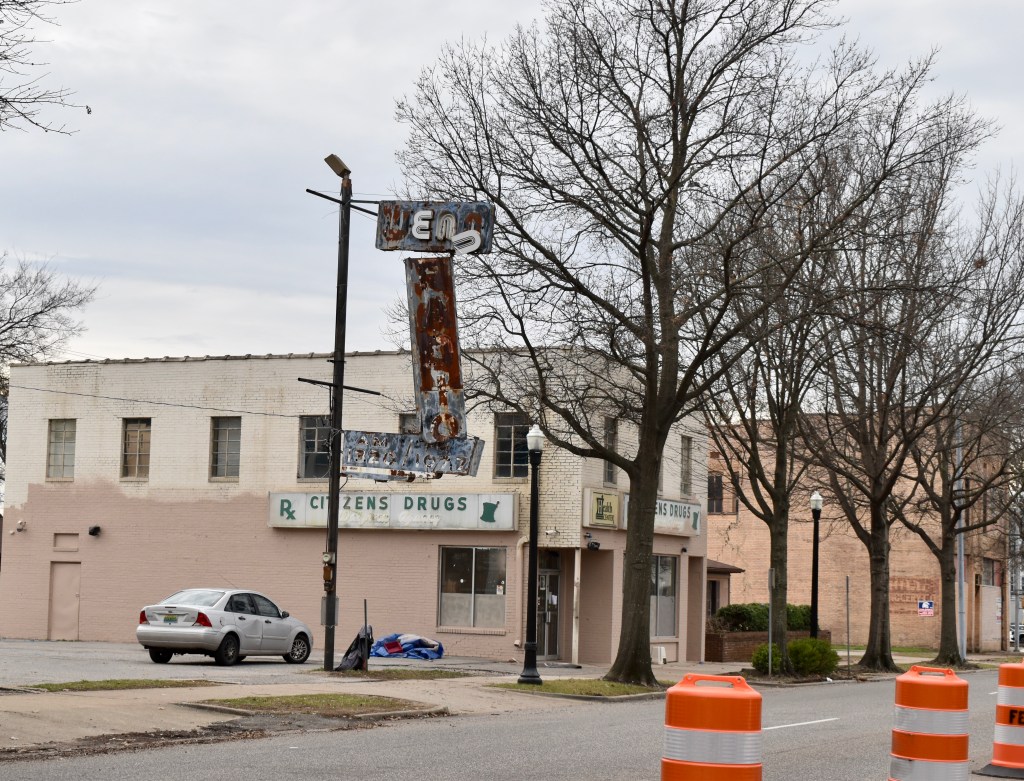
In a still tough neighborhood

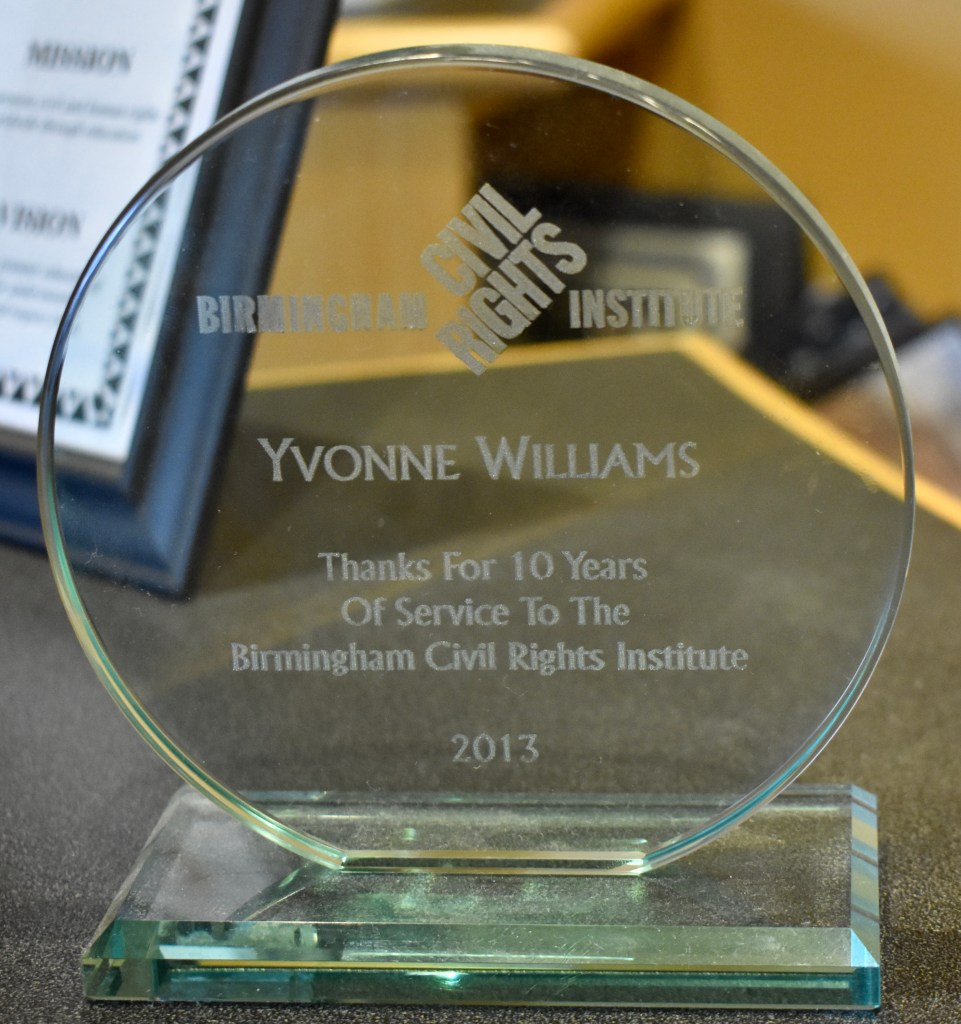
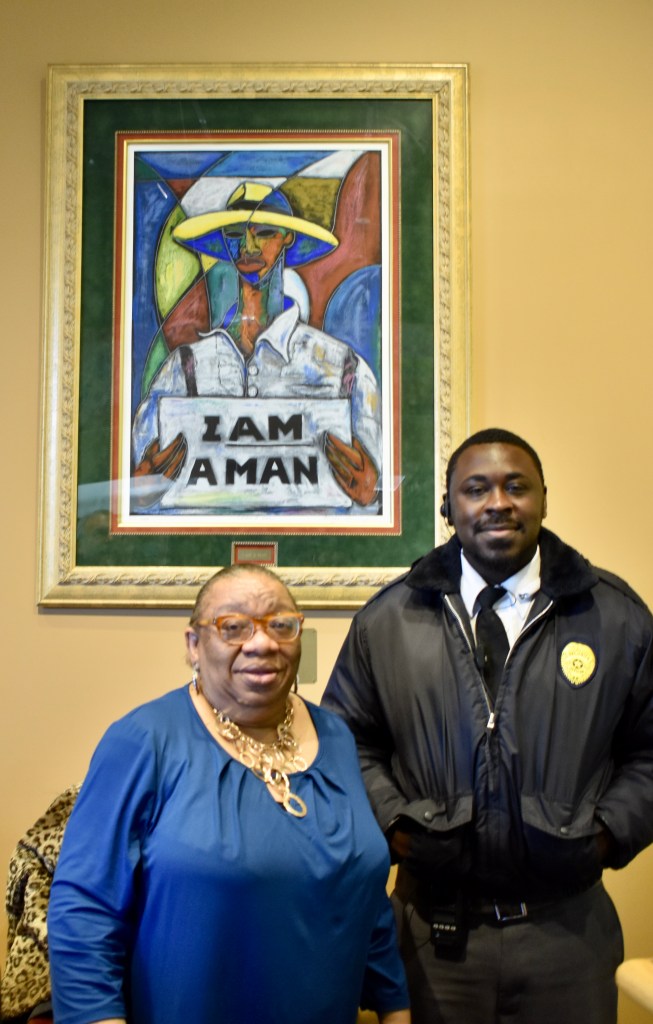
The entire exhibit is very thorough, detailed, moving, disturbing, and informative. As we were leaving we had a chat with a lovely woman who sat at the information desk answering questions. She had retired from teaching school in Birmingham and lived through all of the changes since the 1950’s. Things have changed in many ways, and have not changed in terms of attitudes. There is still a lot of educating to do.

Yvonne and a security guard
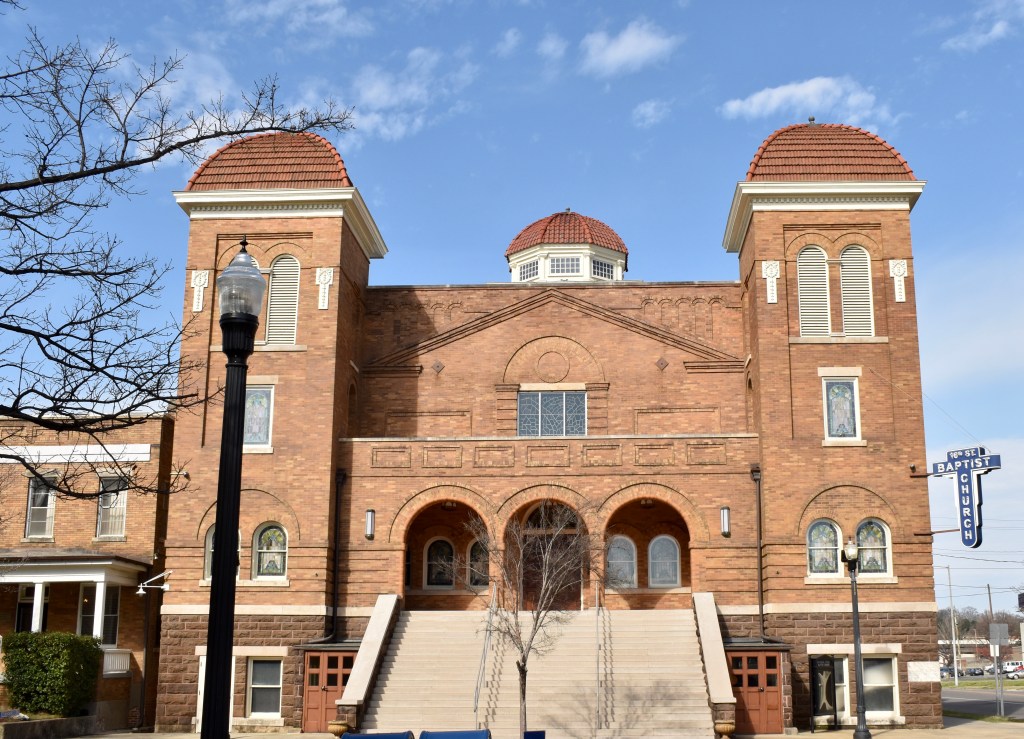
16th Street Baptist Church
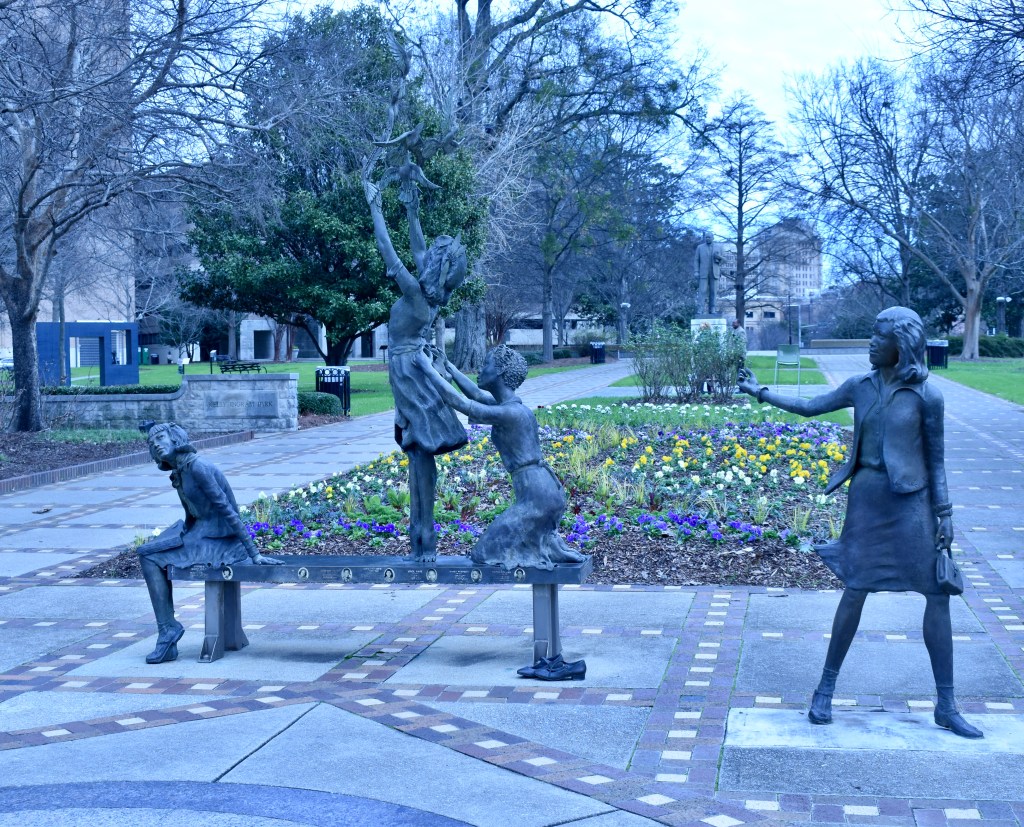
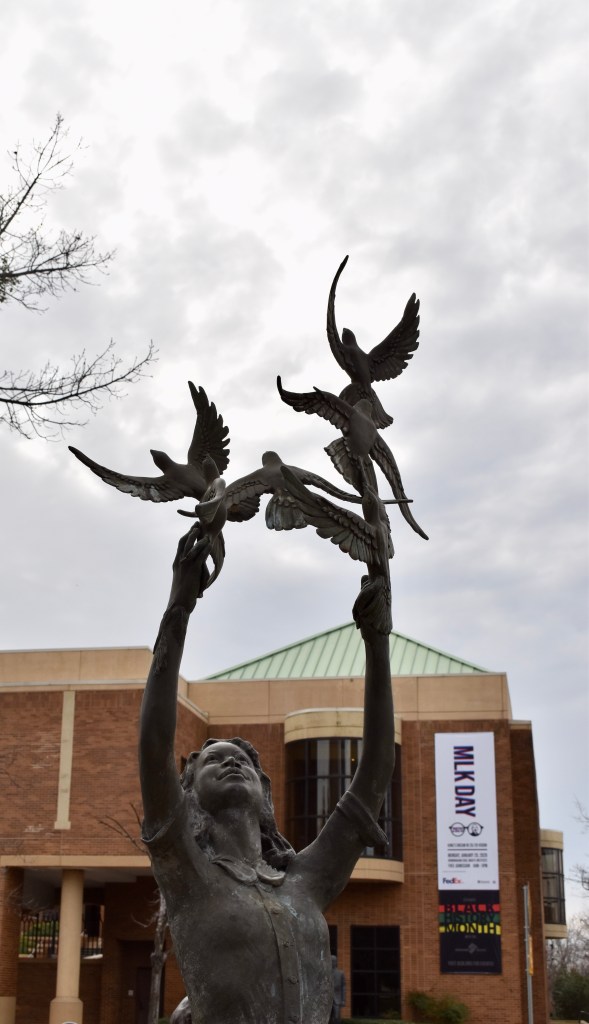
Across the street from the Institute and the Church in the park are statutes of the four girls killed in the bombing of the 16th Street Baptist Church
Detail from the statue of the four girls.

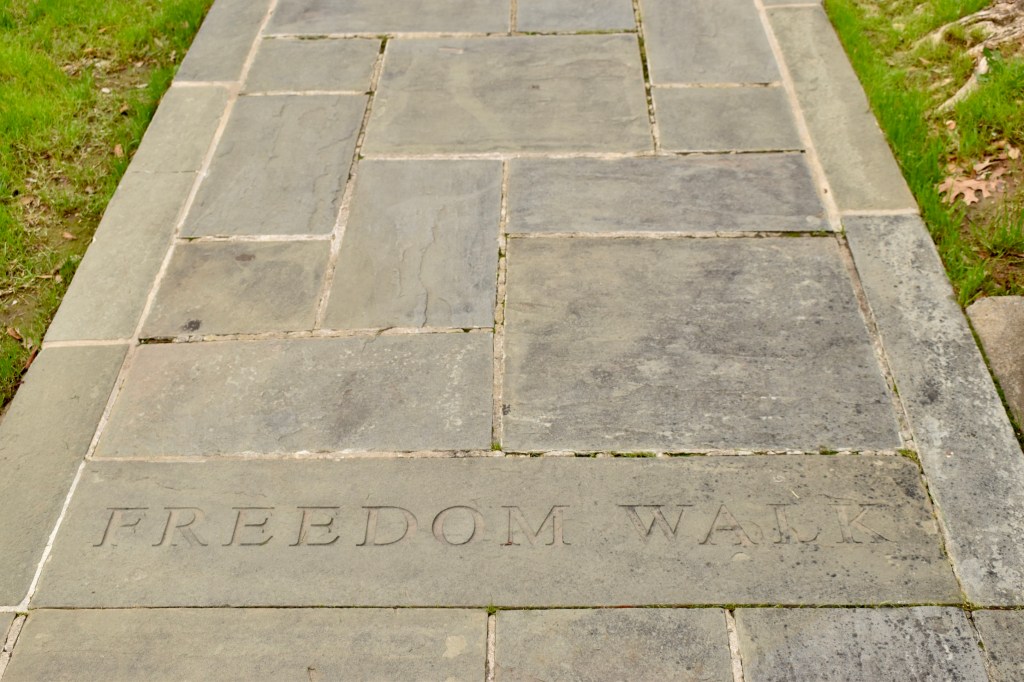
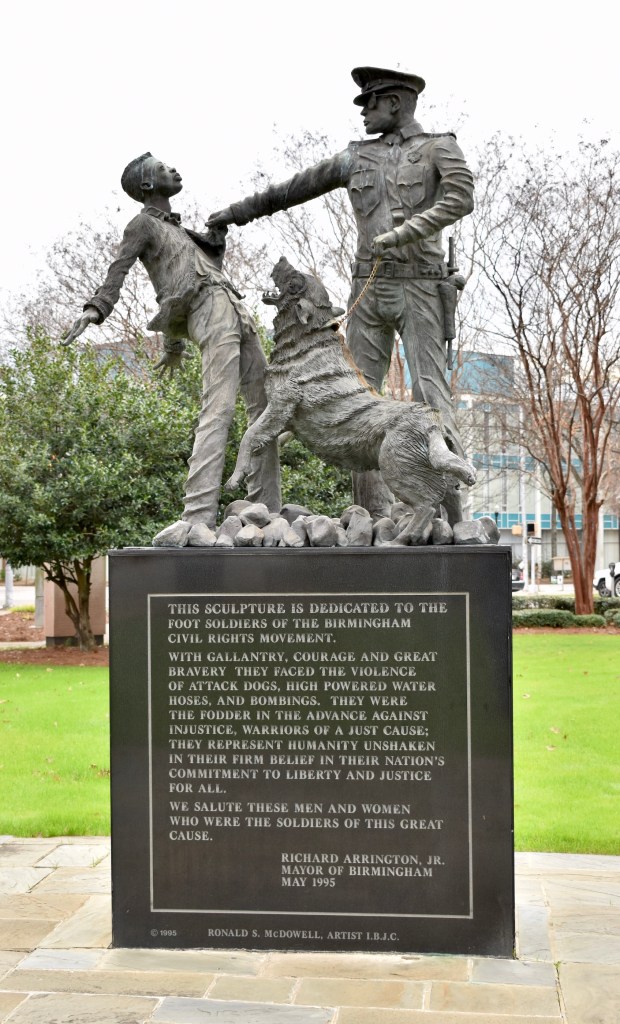
Throughout the Freedom Walk park there are disturbing statues.

And recognition of people who tried to do good.


This license plate was in the parking lot at Fish Market.

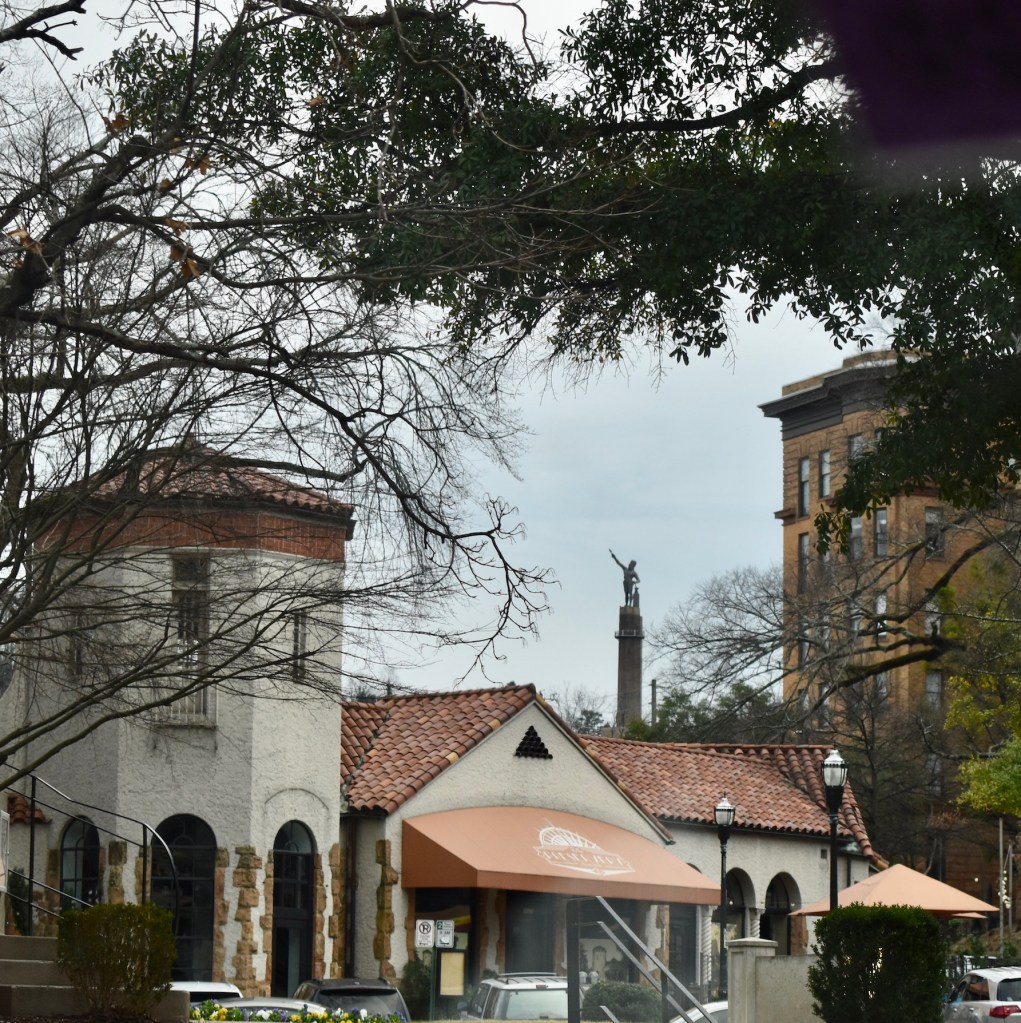
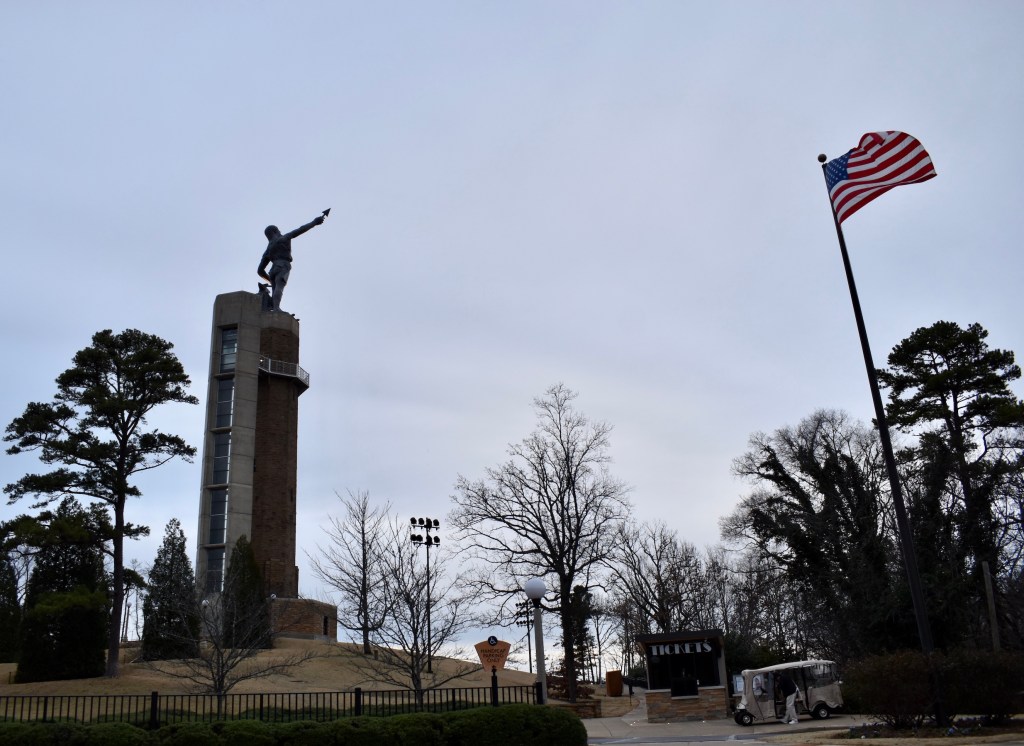
From the restaurant we could see our next stop up on the hill.
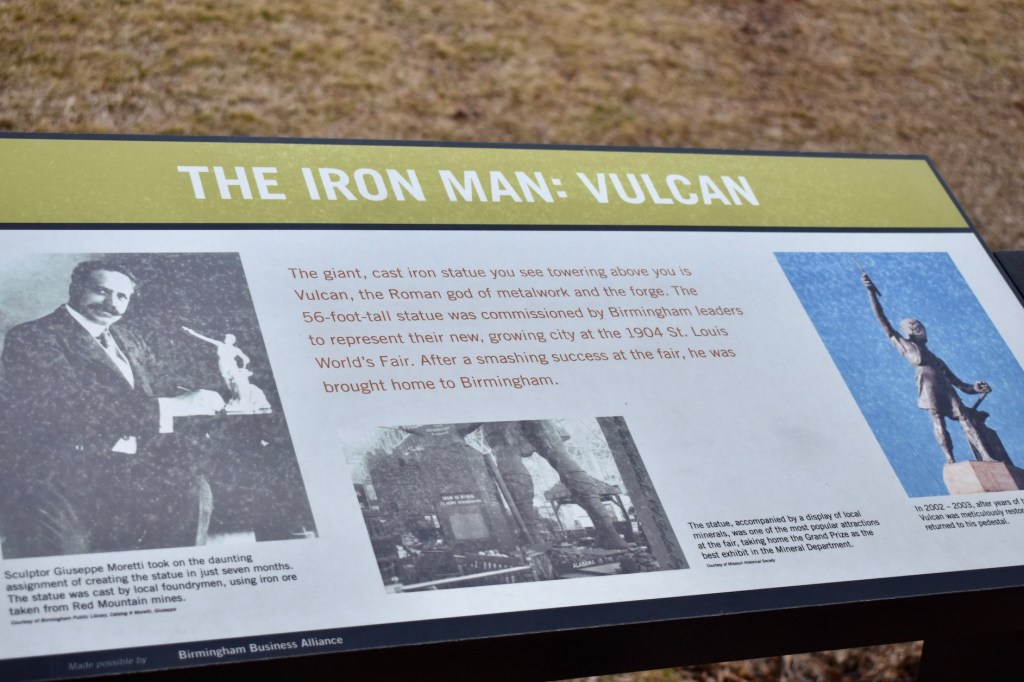
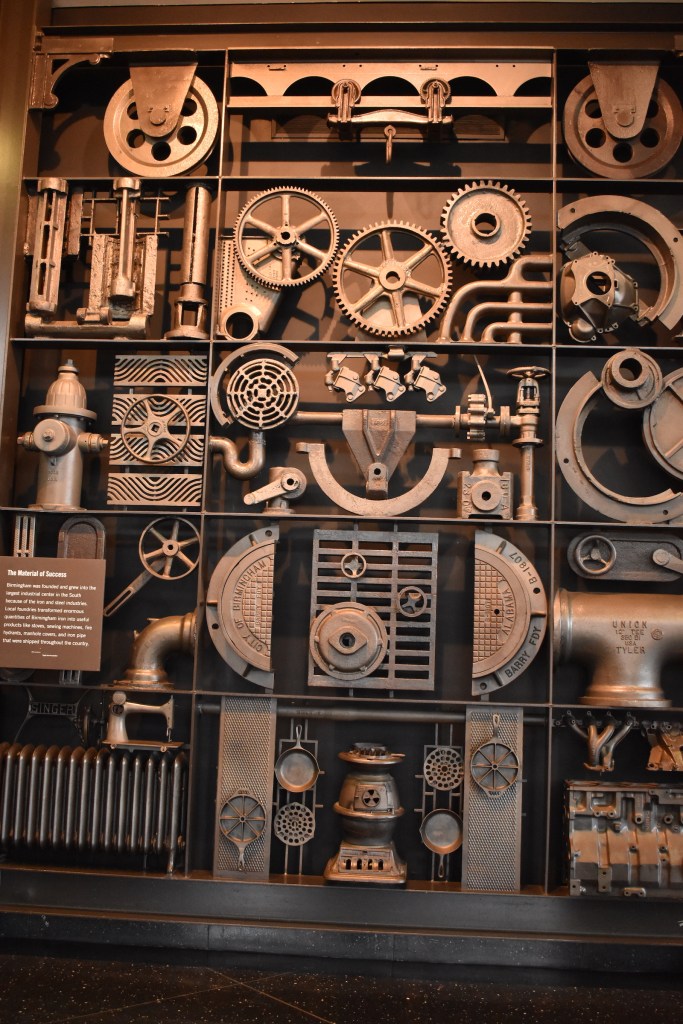
It is a tribute to Birmingham’s industry.
And a nice public park.
With beautiful stonework
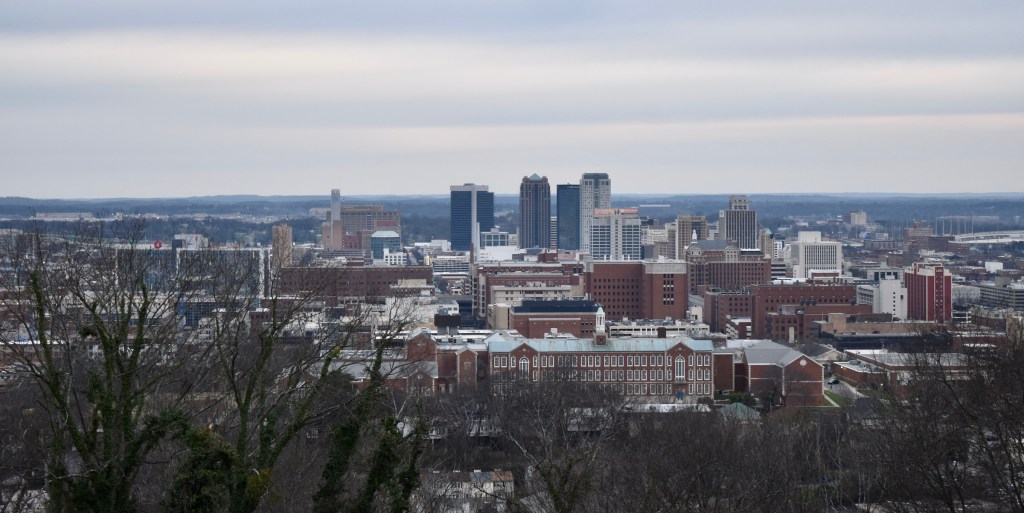
And views of the city of Birmingham.

More of The Natchez Trace Parkway, Tupelo, MS, and a bit of Alabama

That last post about Vicksburg was pretty grim, so this time we open with another sign we observed: Marvelous Kutz Hairdresser. (groans)

Teaser for Tupelo
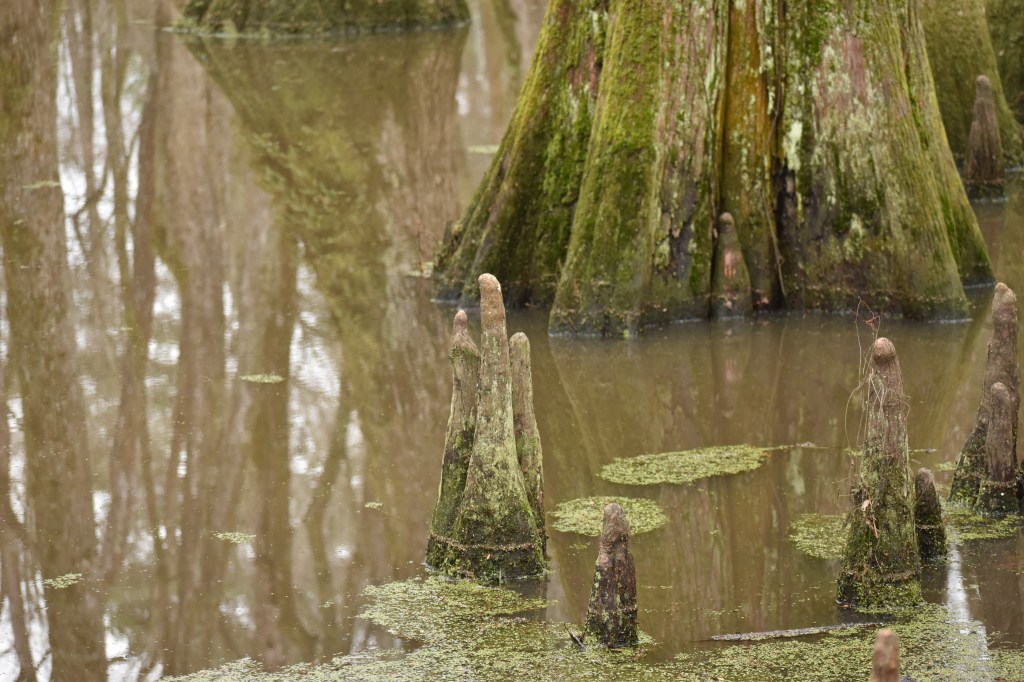
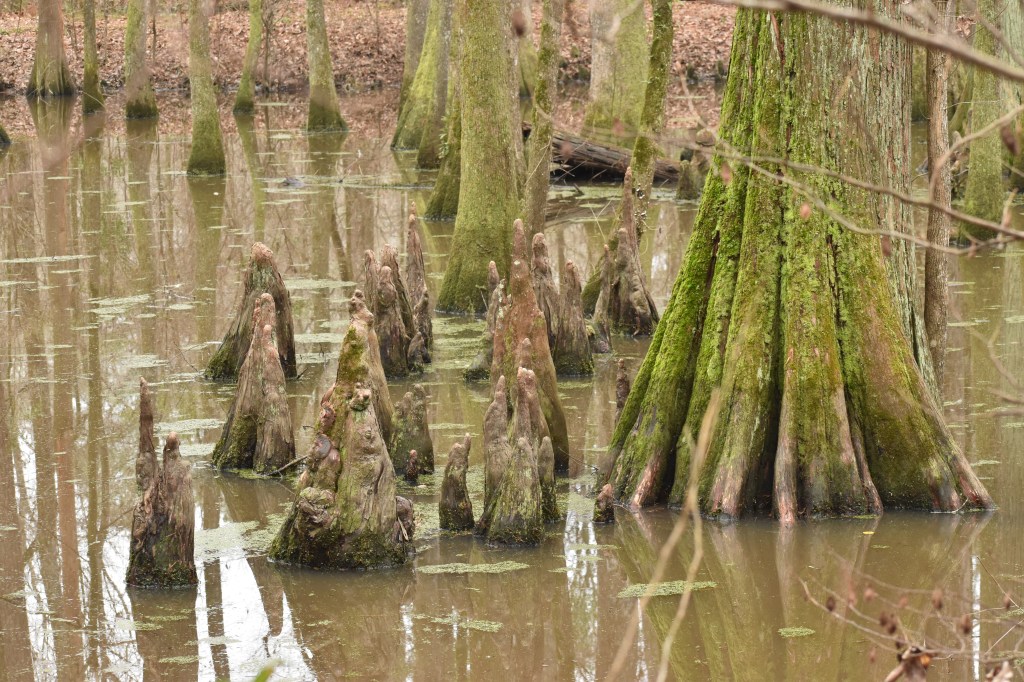
Tupelo or black gum trees

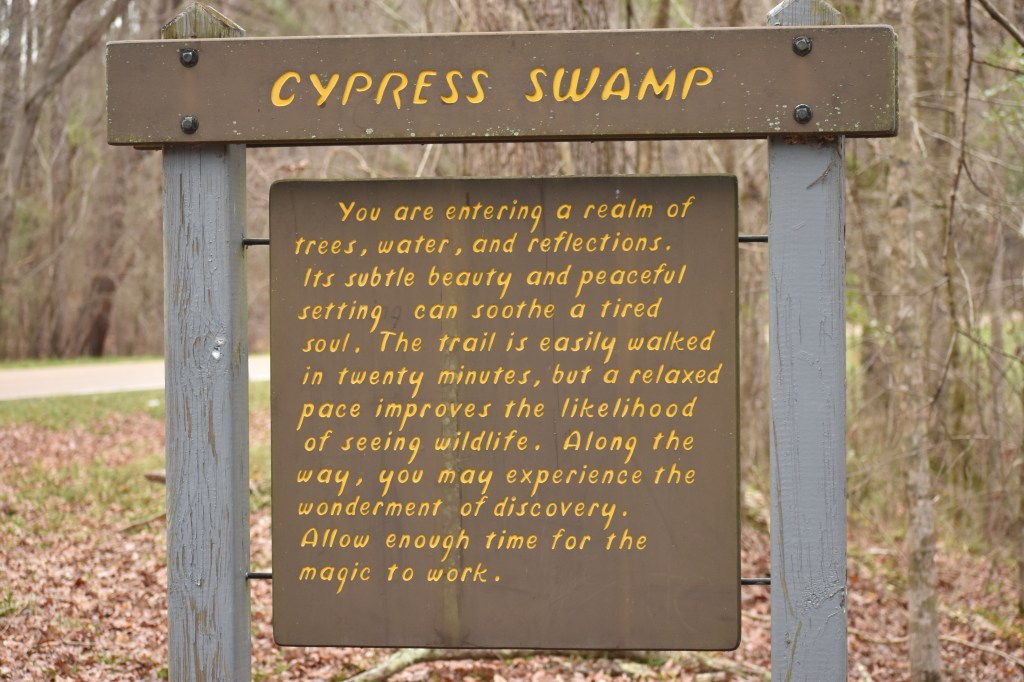
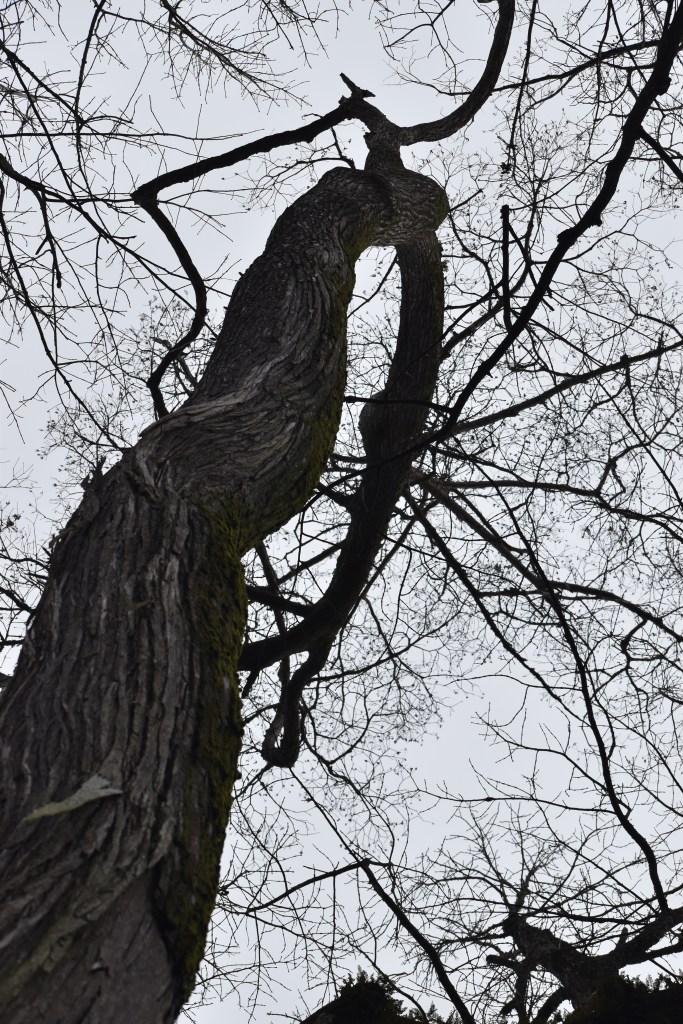
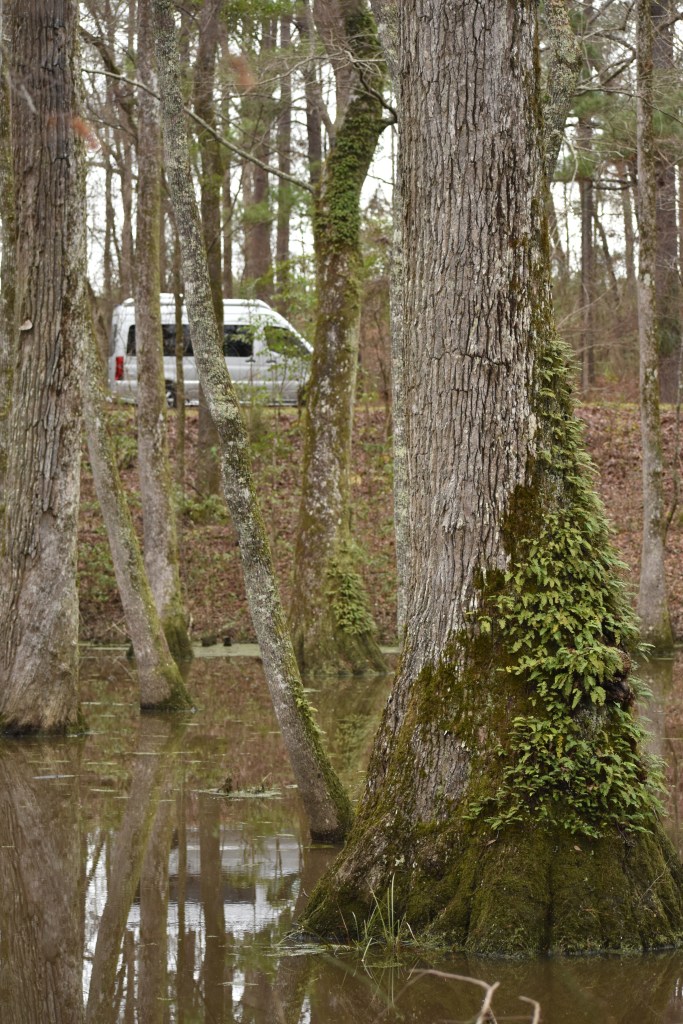
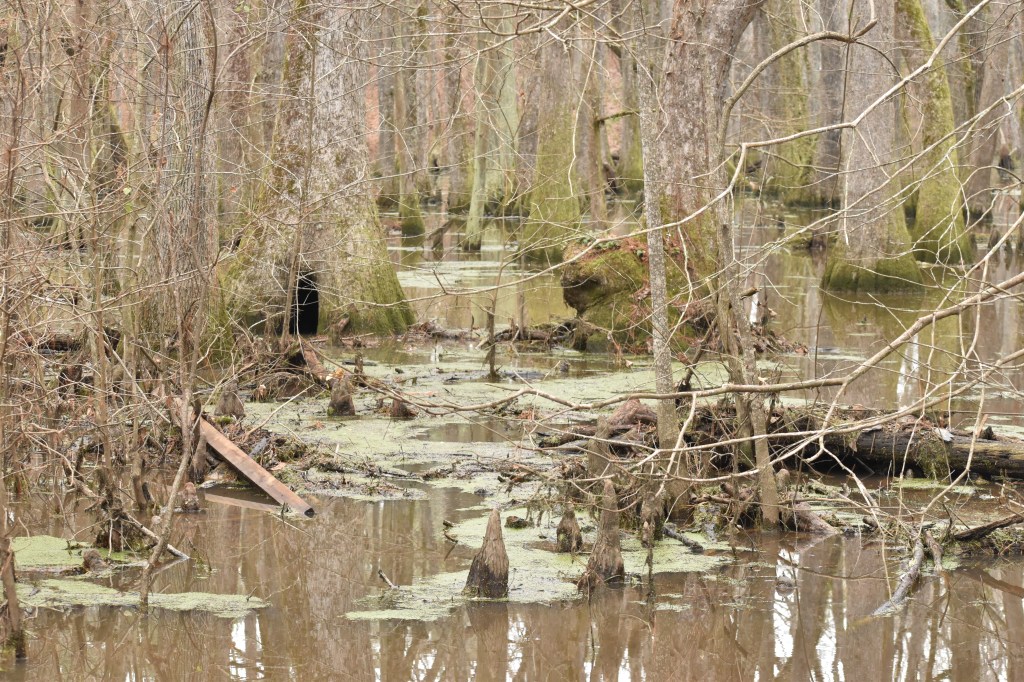
As of January 13, 2020, we had driven the camper van over 5,000 miles and also had a small divit in the windshield, so we got it serviced and repaired near Jackson, Mississippi. From there we continued up the Natchez Trace to Tupelo. We saw many more small deer along the road (alive). There was a nature walk through a tupelo-cypress swamp.

Where are we taking her?
Middle earth?
We did not see any alligators or snakes
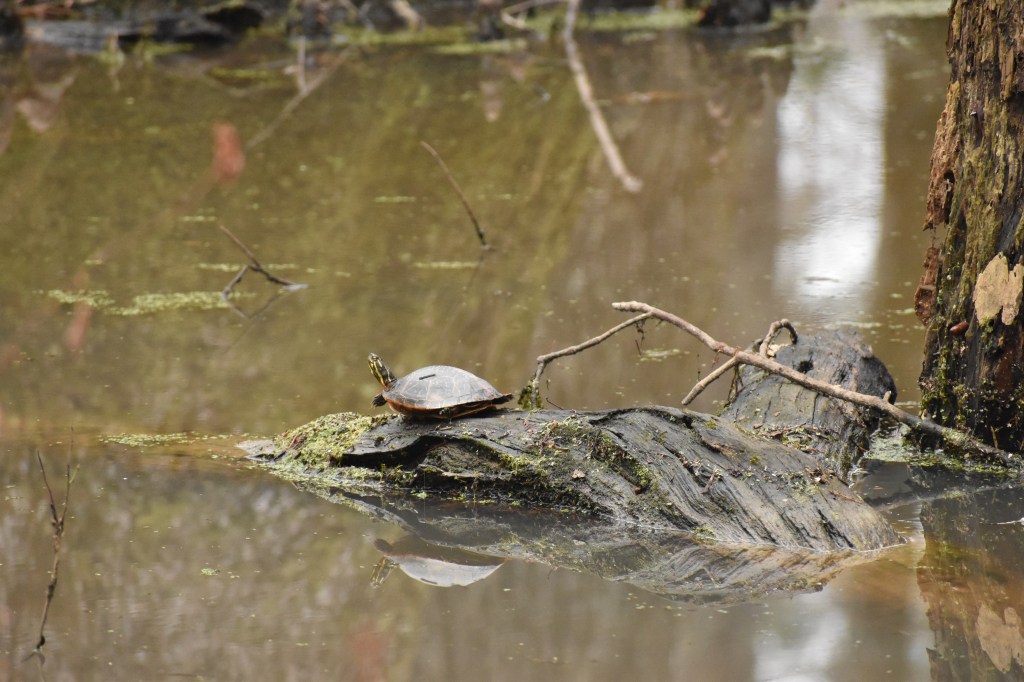
Just this turtle wondering where the sun has gone.
Note the comment at the bottom of the sign.
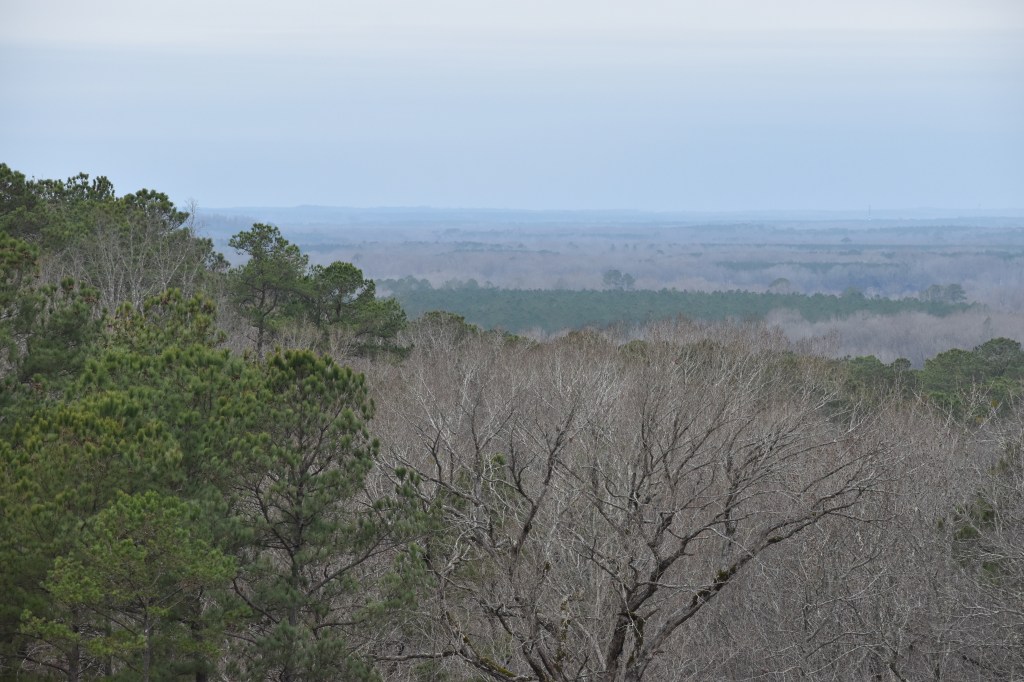
This is the view from the highest point near the Natchez Trace at 603 feet above sea level. It is named after US Congressman Thomas Jefferson “Jeff” Busby from Mississippi.

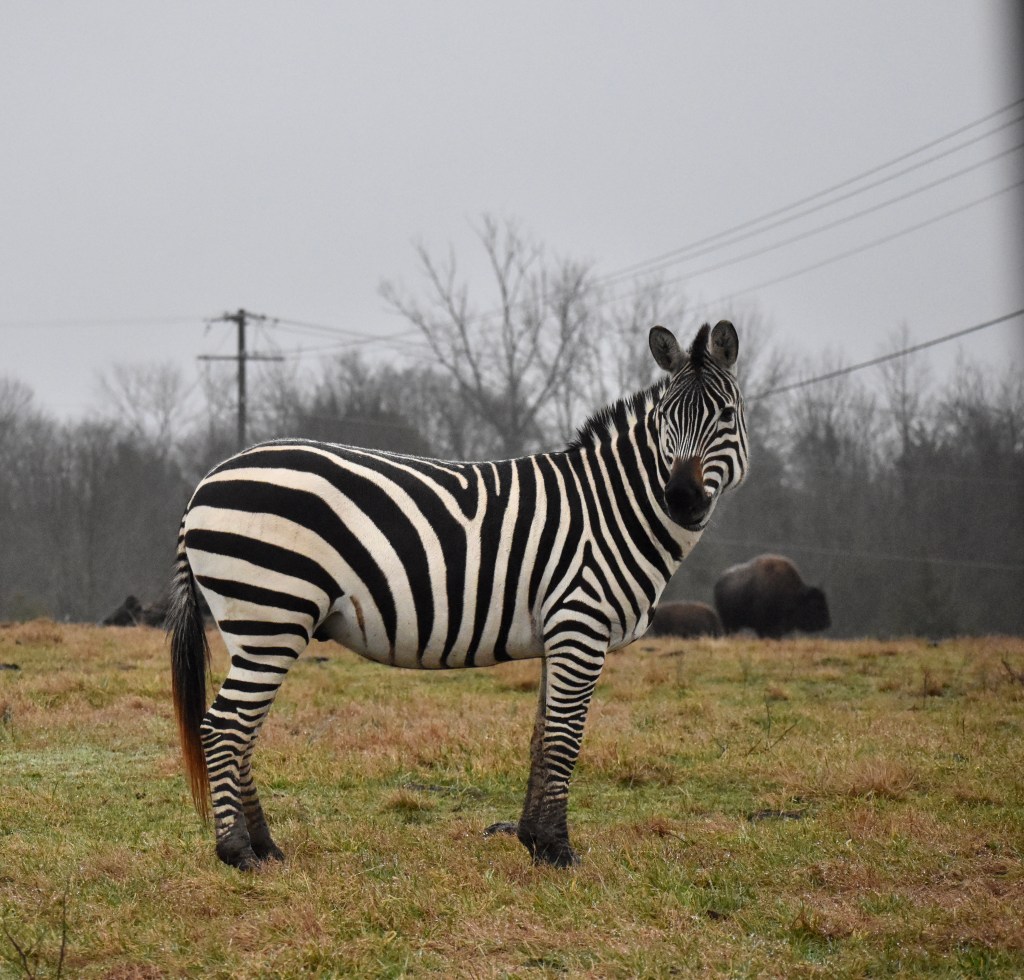
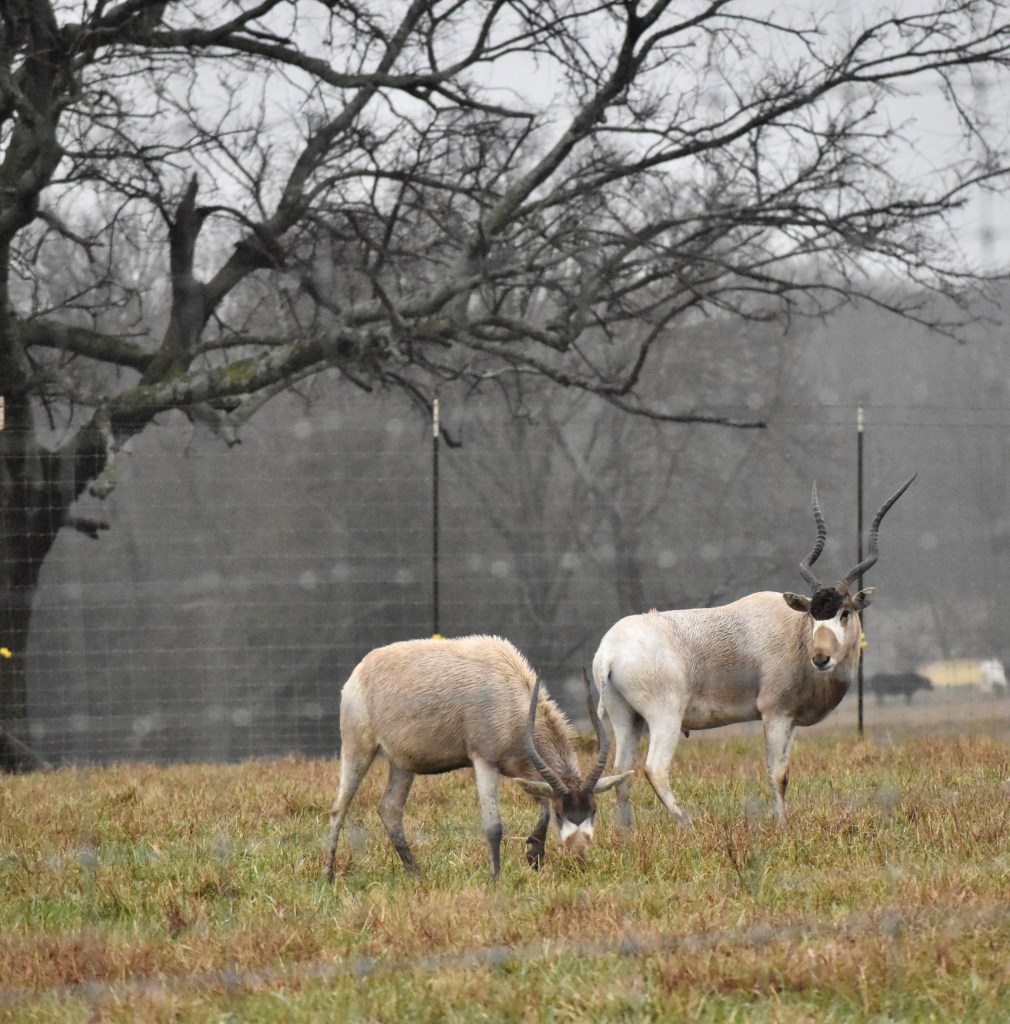
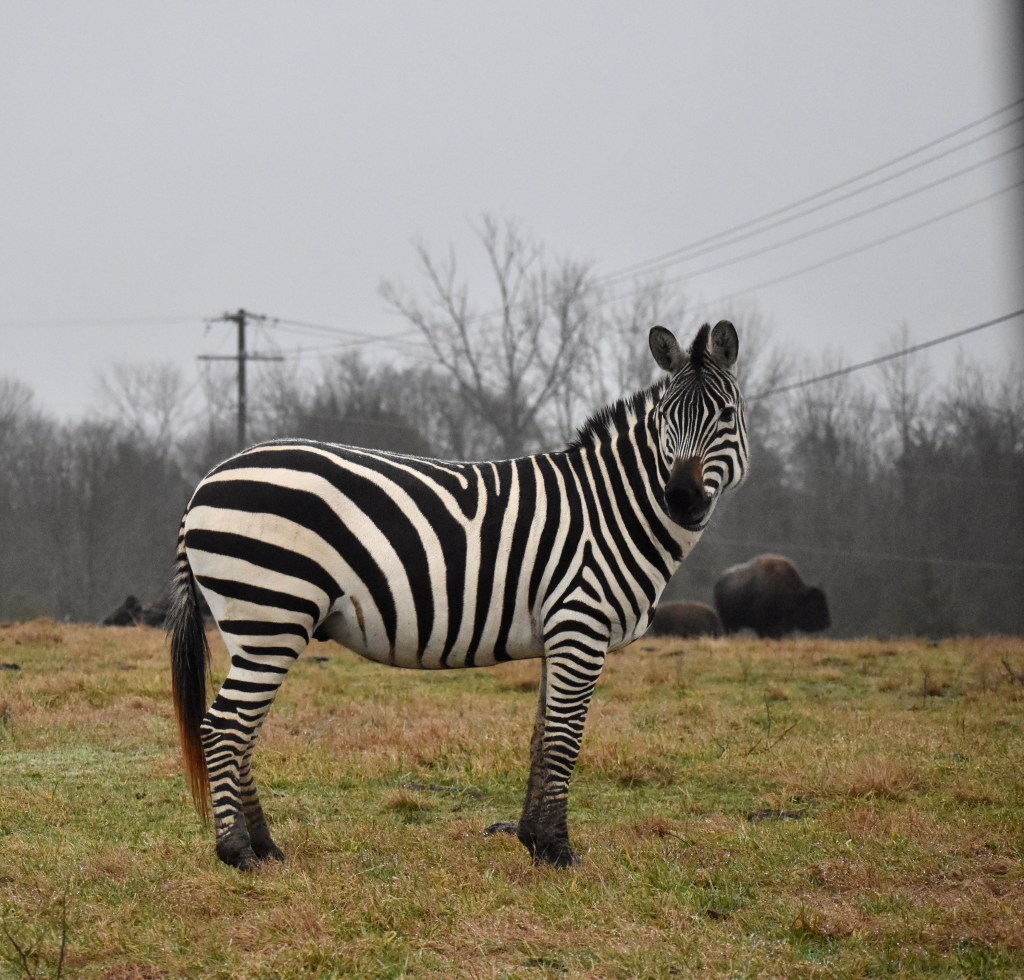
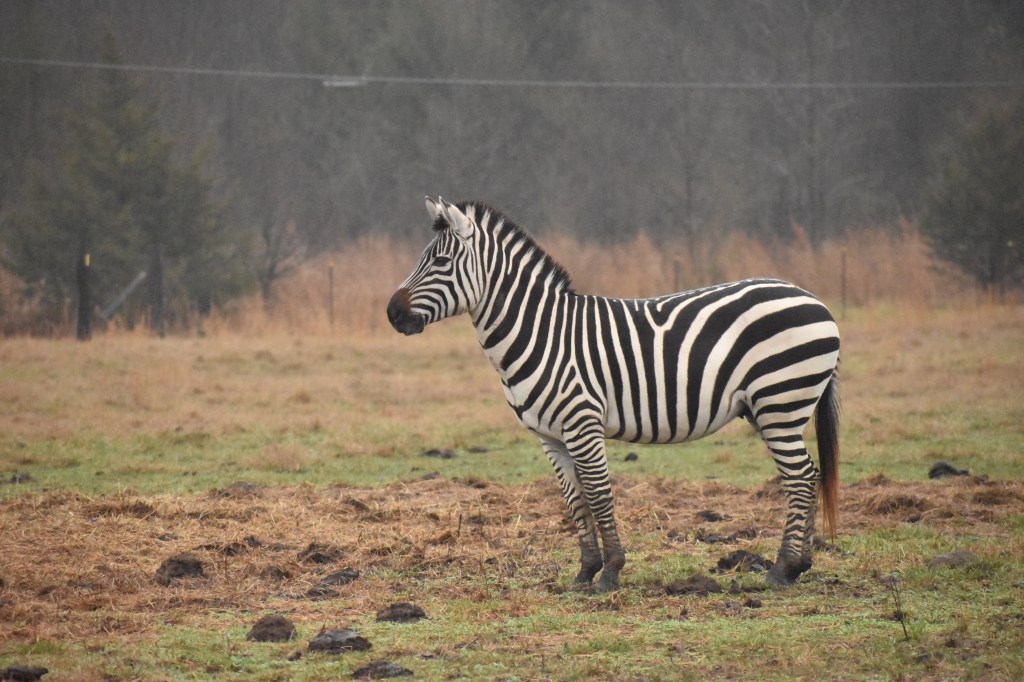
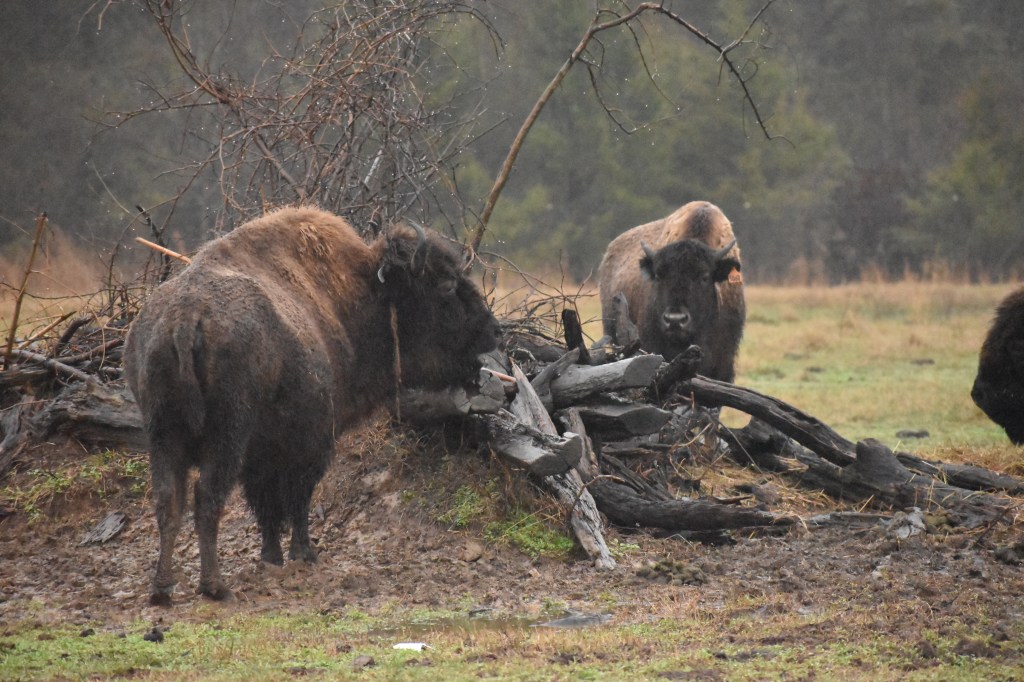
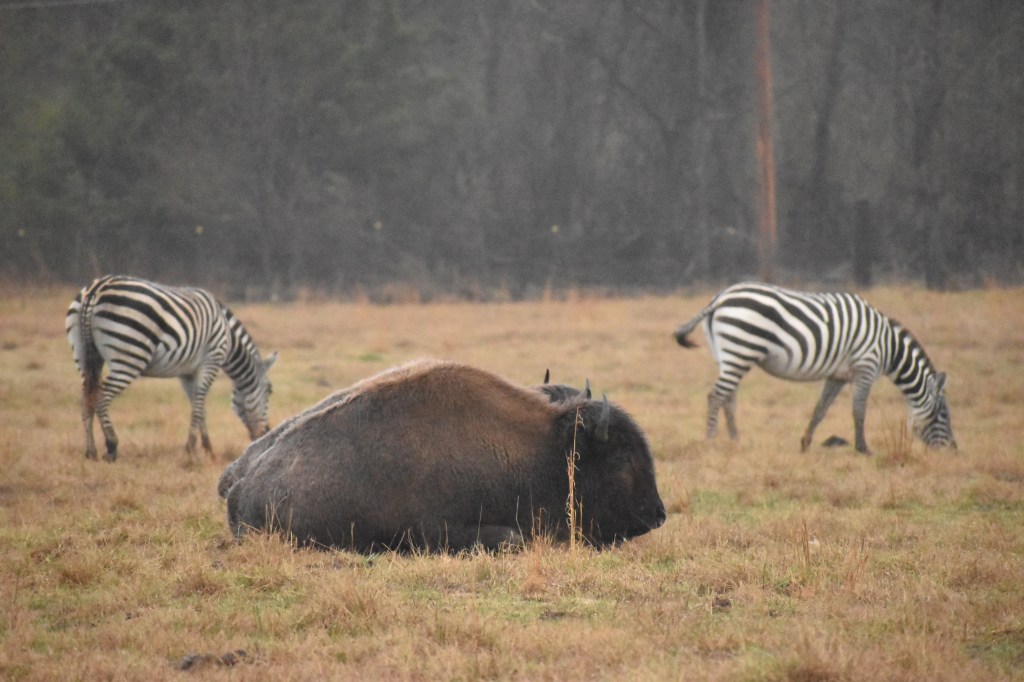
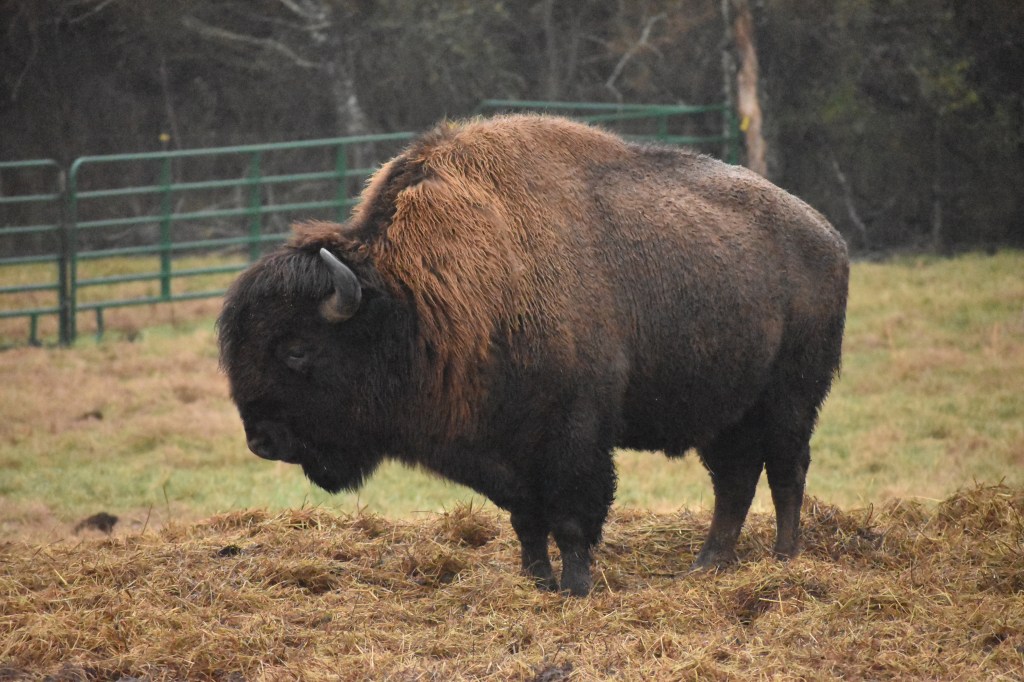
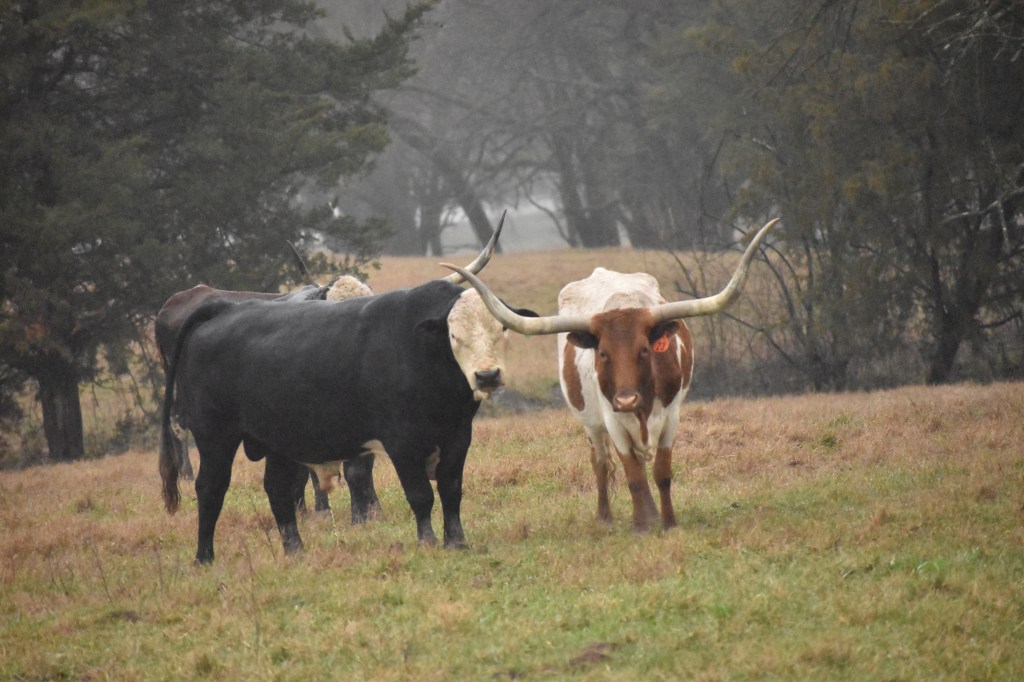
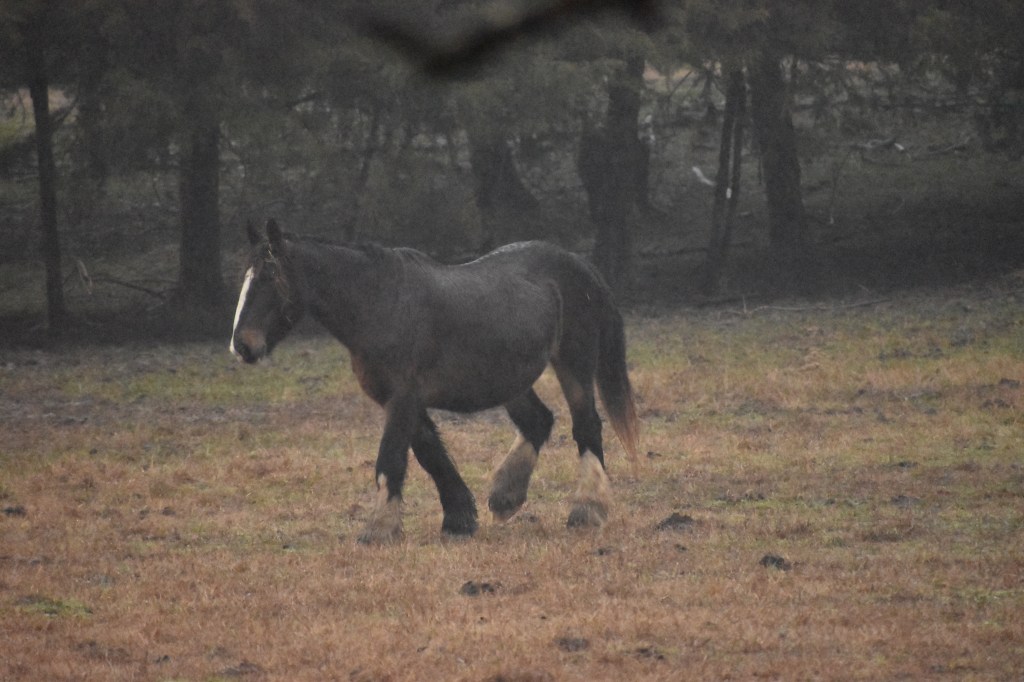
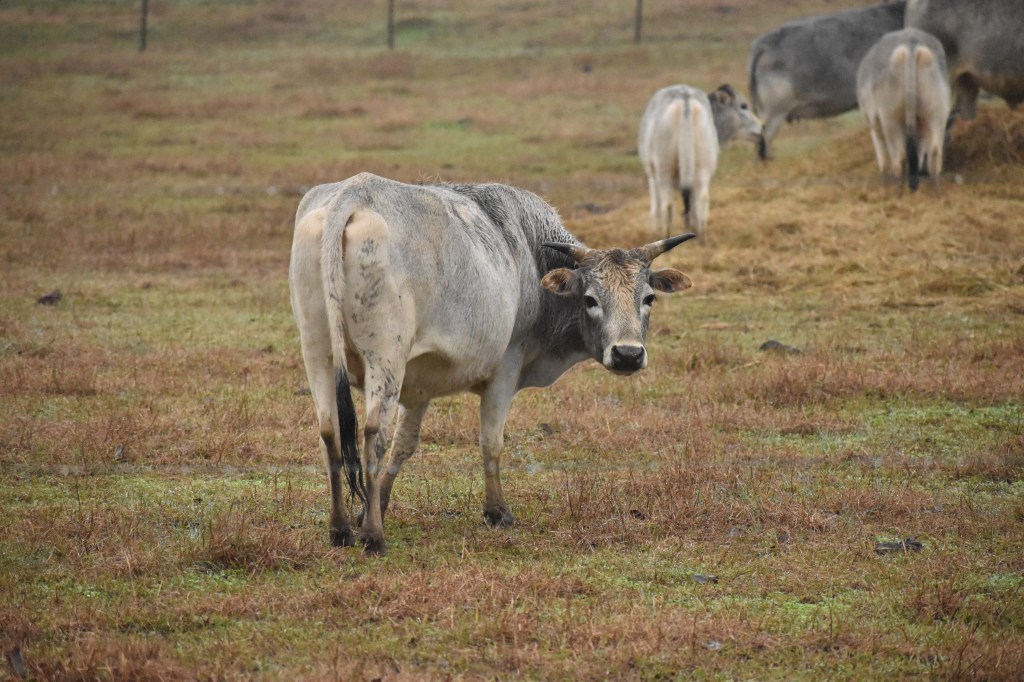
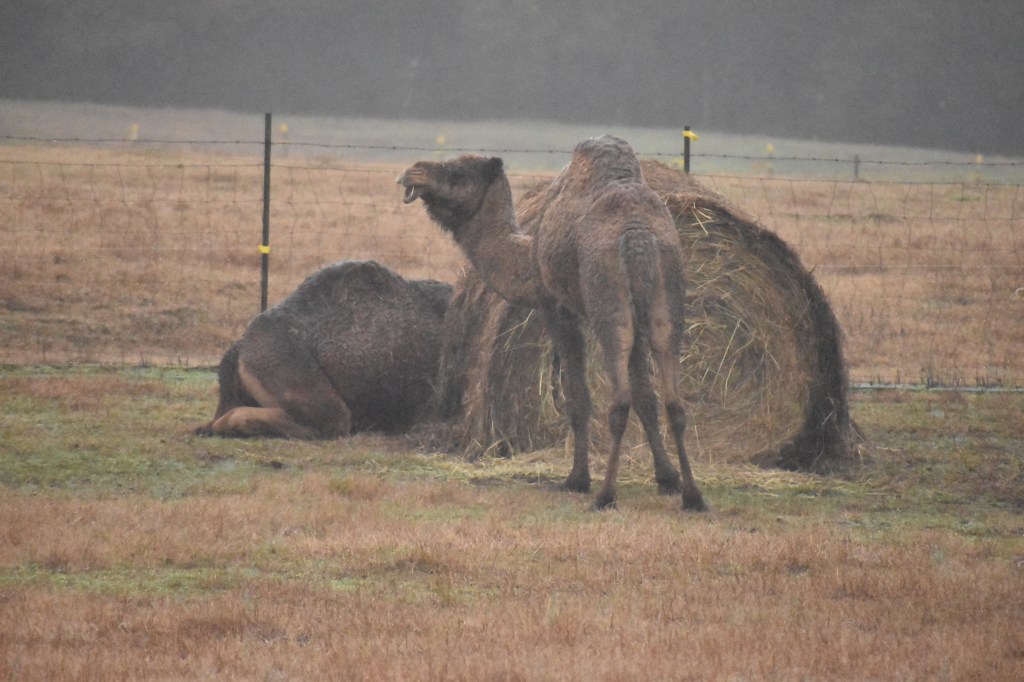
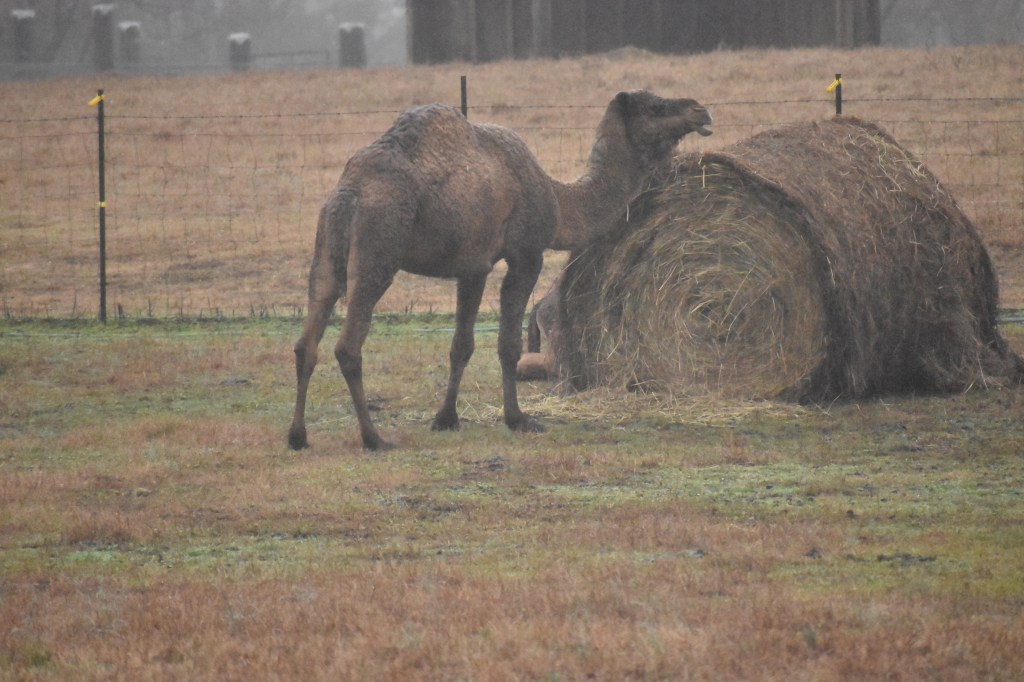
The town of Tupelo was originally called Gum Pond. We arrived after dark in a driving rainstorm with lightning. Luckily, Doug is getting very accomplished at setting up power and water very quickly. The next morning we visited the Tupelo Buffalo Park – we could drive through the pastures to view the animals, including ostrich, zebra, camel, Clydesdales, yak, bison, anakole-watusi cattle, and long horn cattle.

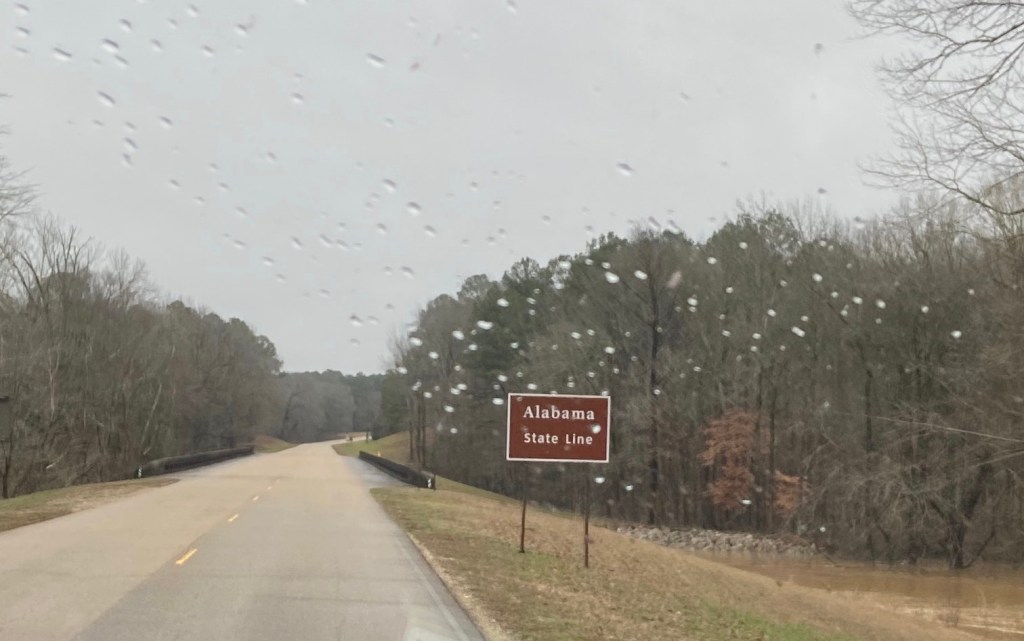
For the last time on this leg of our trip, we entered a state that neither of us had visited previously.

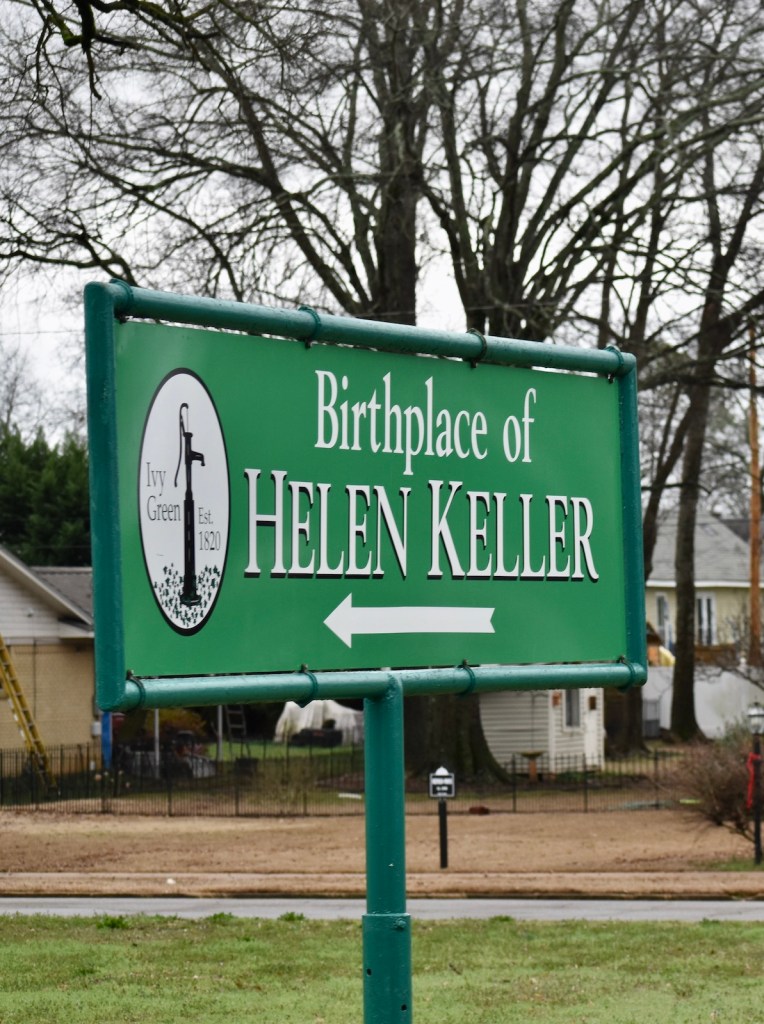
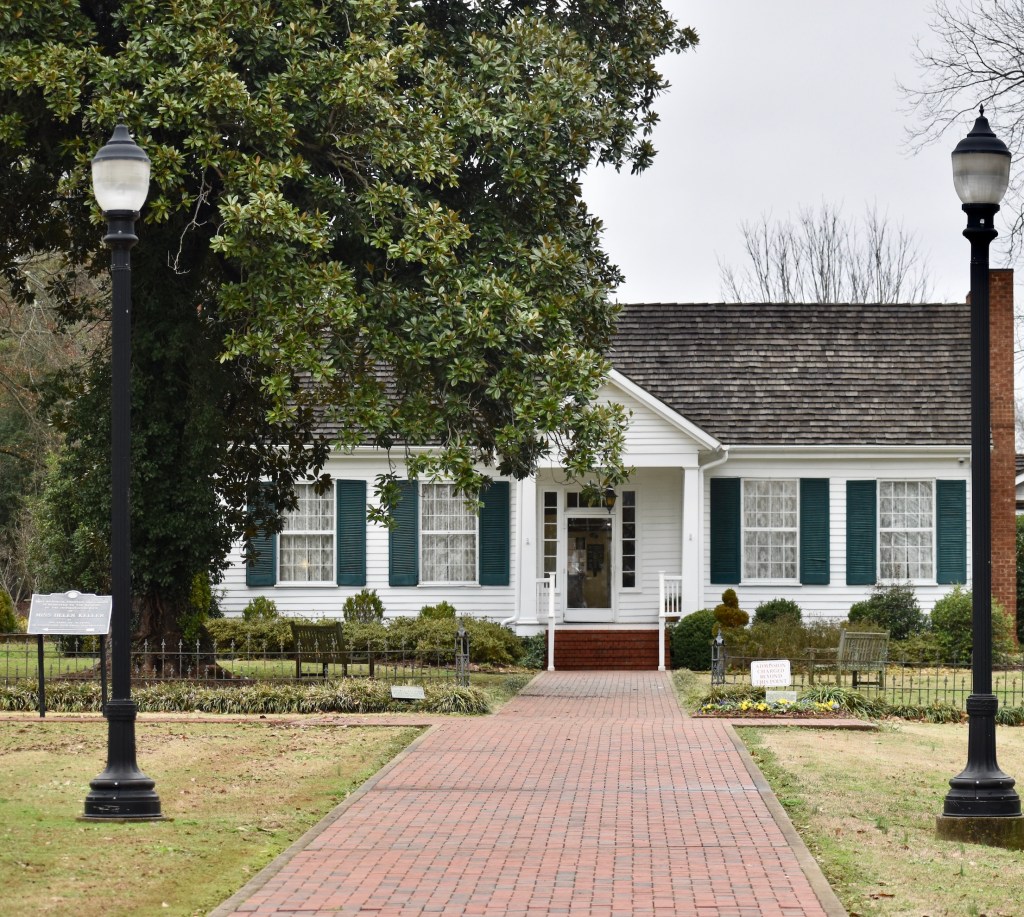
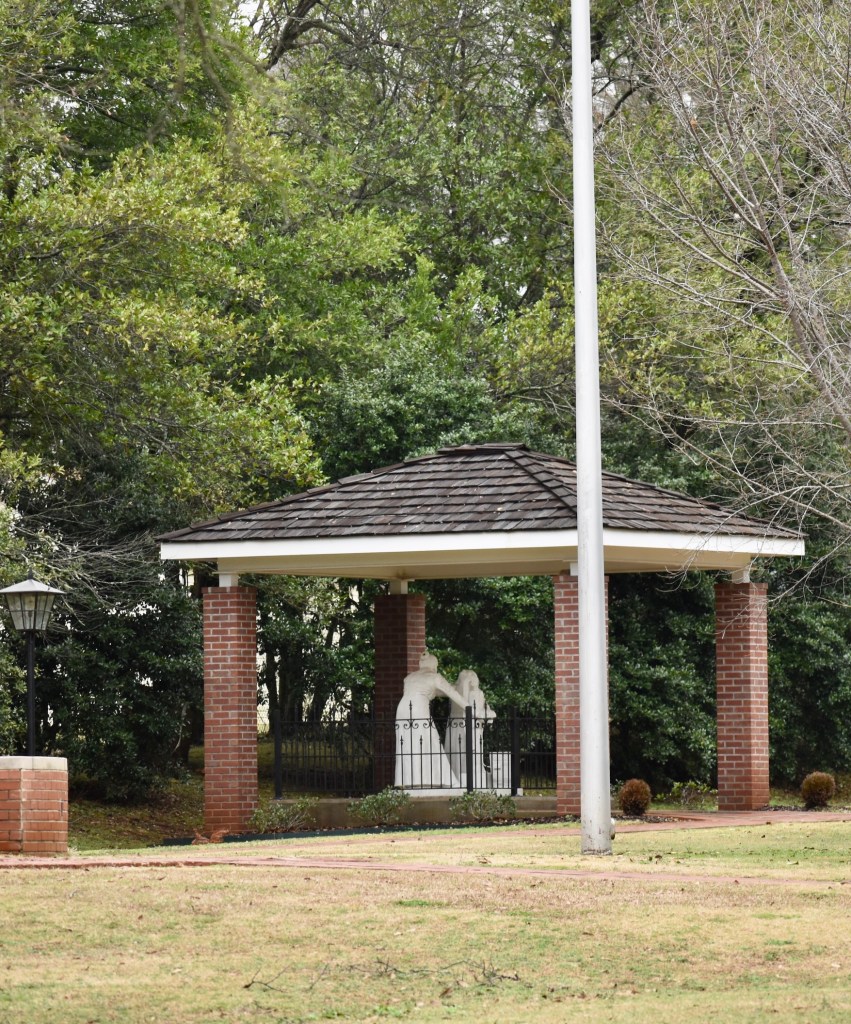
We drove into Alabama in the rain and left Natchez Trace Parkway at Mile 321. Our campground for the night was in Tuscumbia, part of The Shoals Area. The next morning we drove through Tuscumbia and other towns in the area. The most famous person born in Tuscumbia at Ivy Green, so far as we can tell is Helen Keller. There is a lovely statue in the yard.

Helen and her Teacher

The Siege of Vicksburg

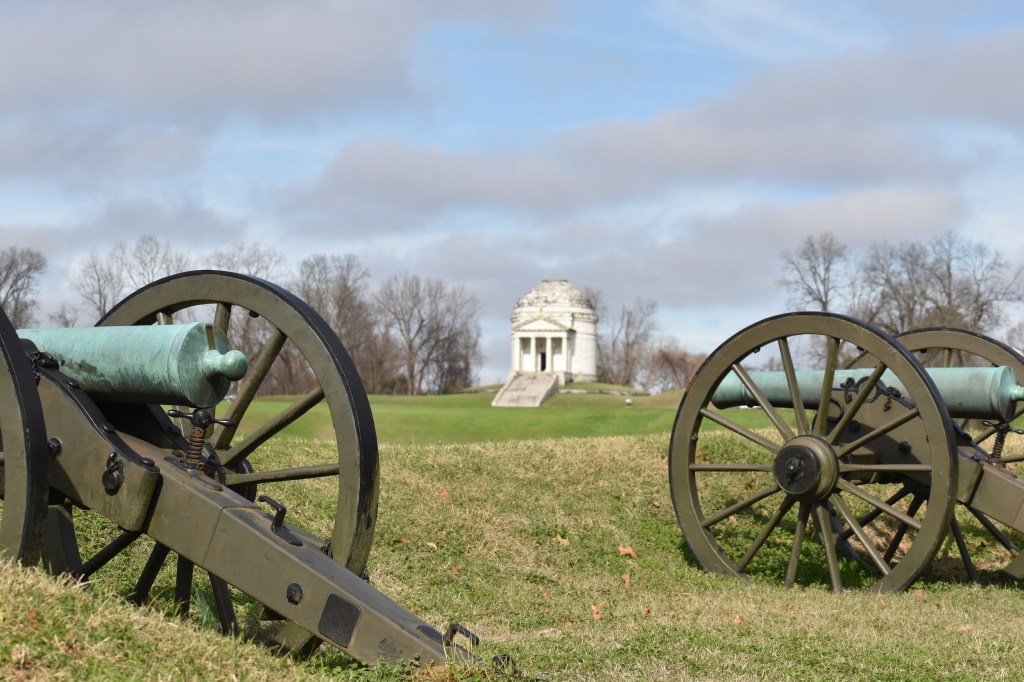
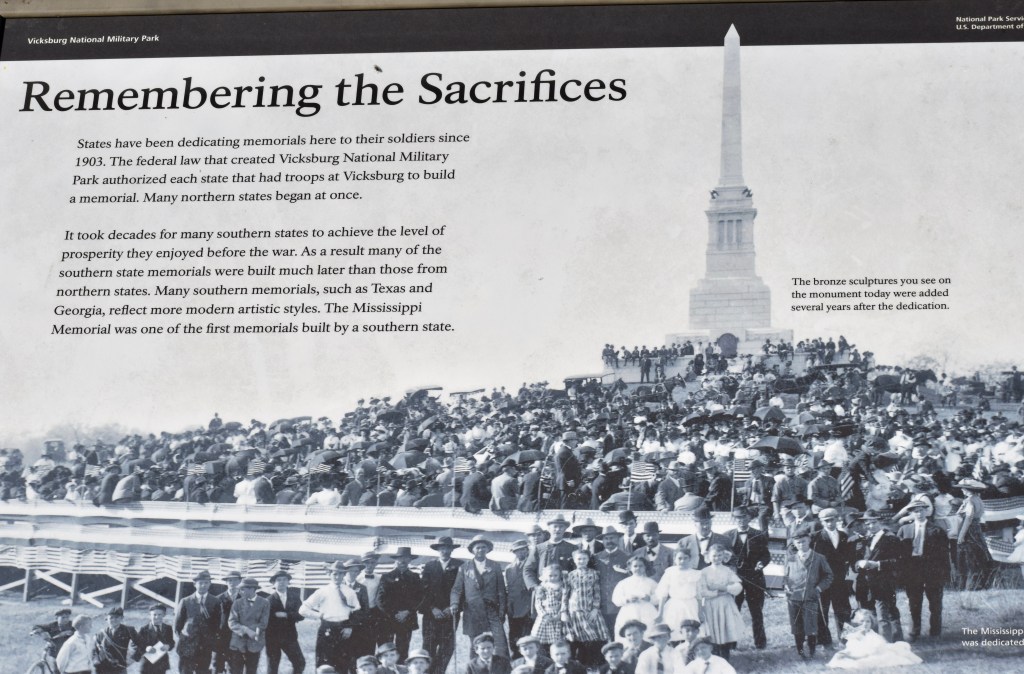
For years the Union Army tried numerous ways to gain control of Vicksburg, the last hold out of the Confederacy on the Mississippi River and known as “the Gibraltar of the Confederacy”. Vicksburg had high bluffs and the river as natural defenses. Finally in 1863 with the help of the Union Navy, General Ulysses S. Grant succeeded in surrounding Vicksburg and cutting off all the supply lines. For 47 days the Union forces bombarded and starved the town until Lt. General John C. Pemberton surrendered on July 4. This gave the Union full control of the Mississippi River and pretty much sealed victory for the north.

State of Illinois Monument
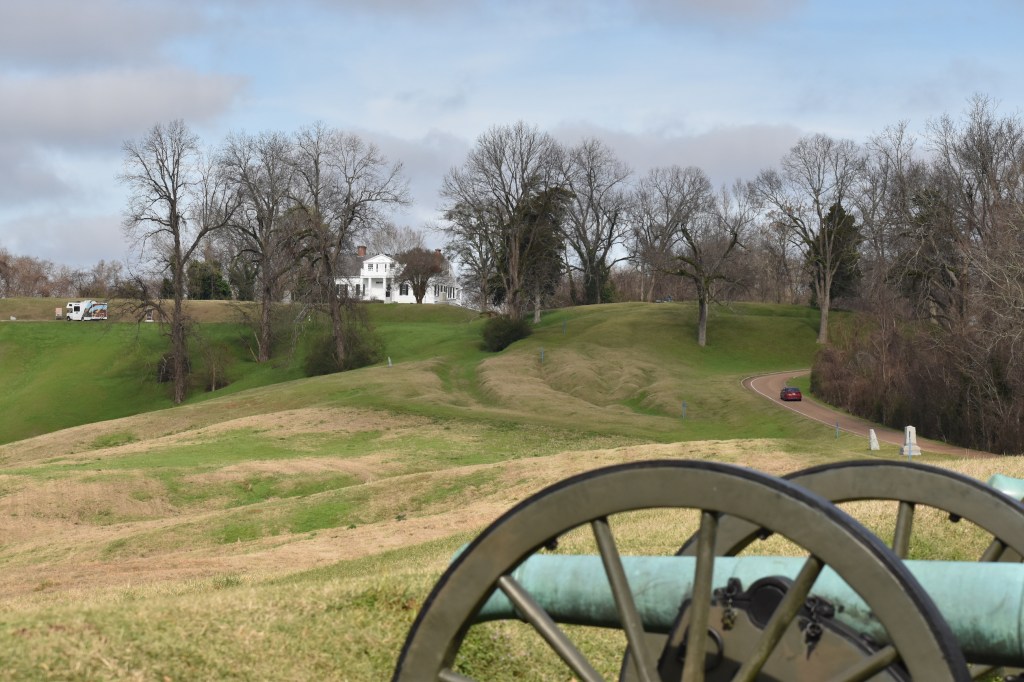
Rolling hills and trenches on Union side
Looking across to Confederate side.
The soldiers on opposite sides were so close in proximity that they could talk to each other at night.
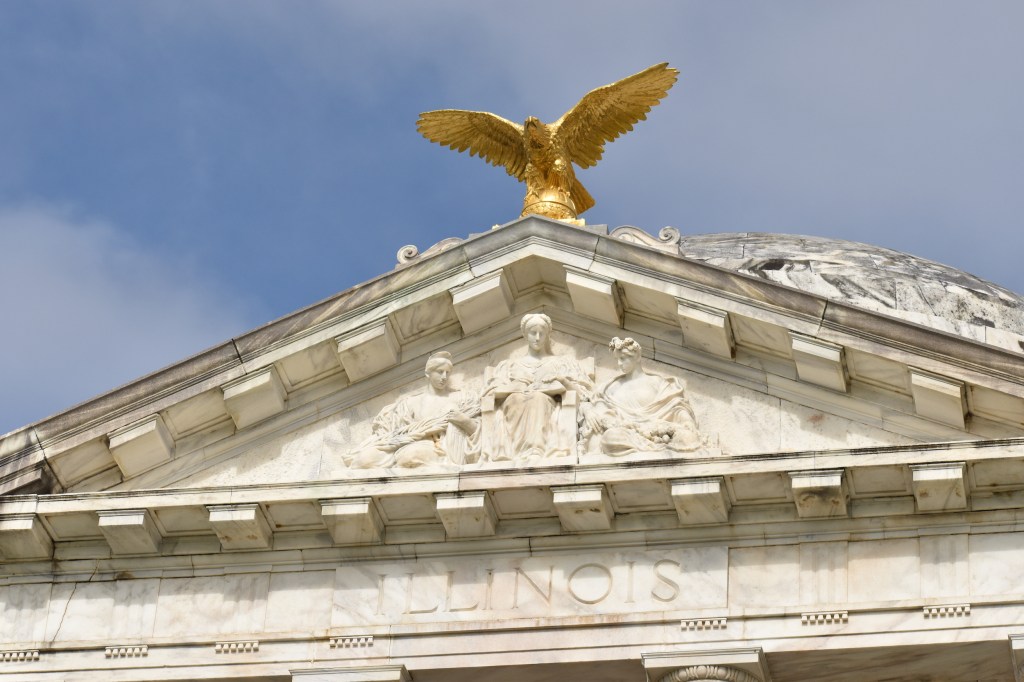
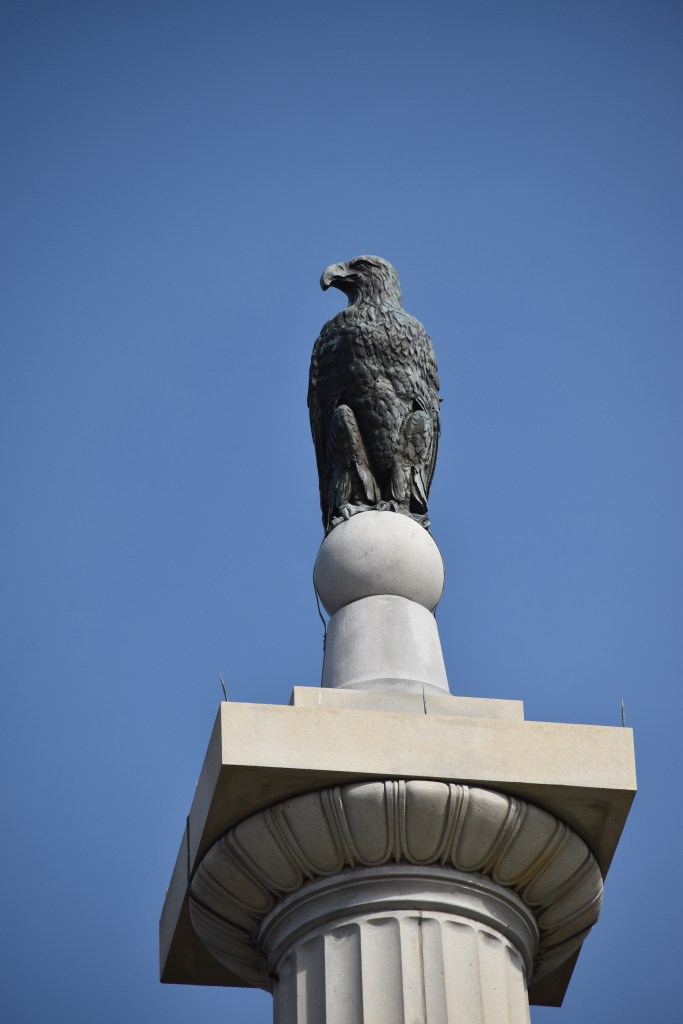
Top of Illinois Monument
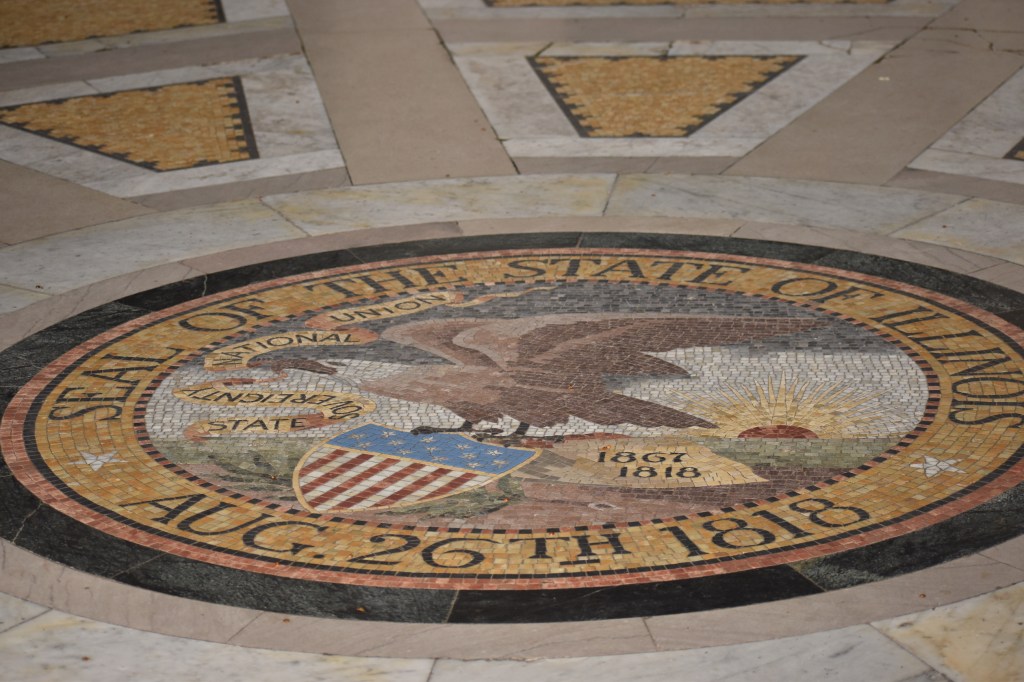
Interior of Illinois monument

There were many more monuments throughout the park, including ones representing most of the northeastern states other than Maine.

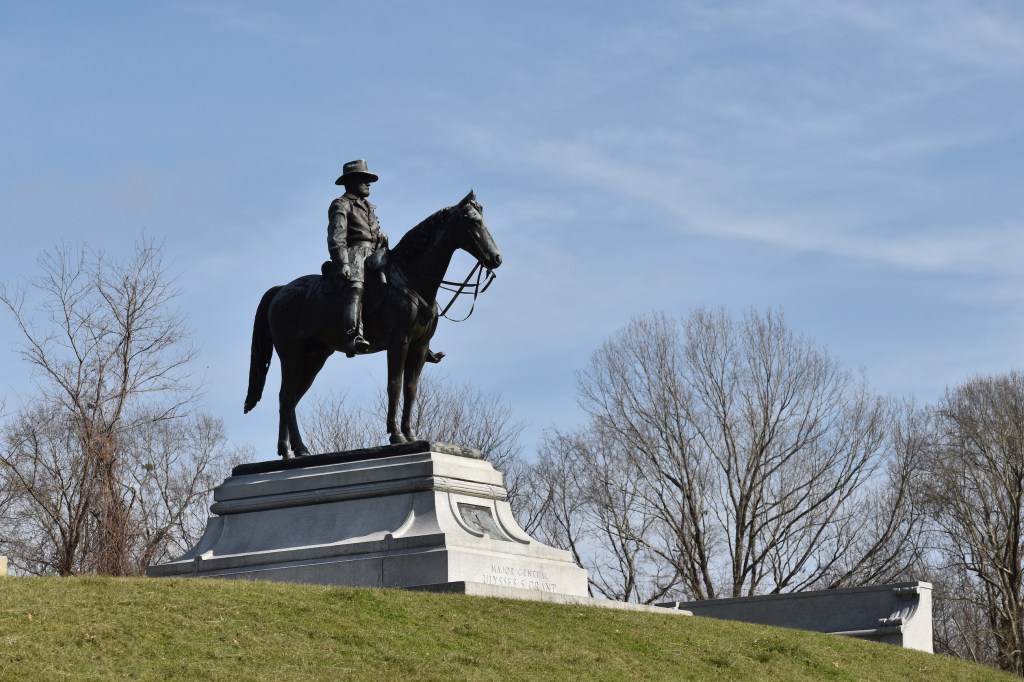
General, later President, U.S. Grant
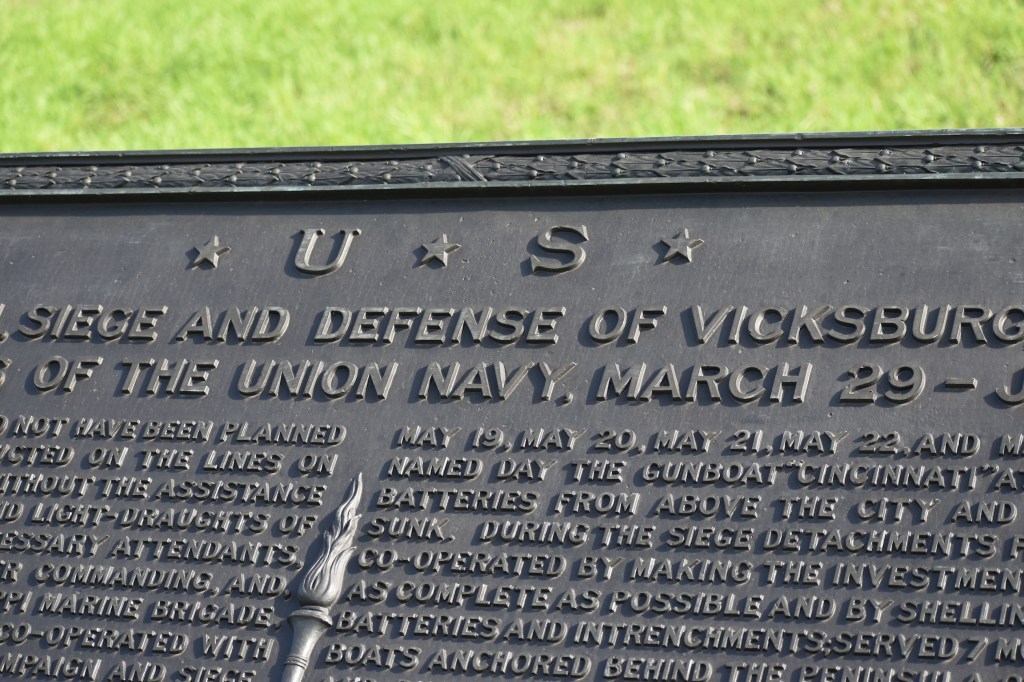
Top of the Union Navy Monument
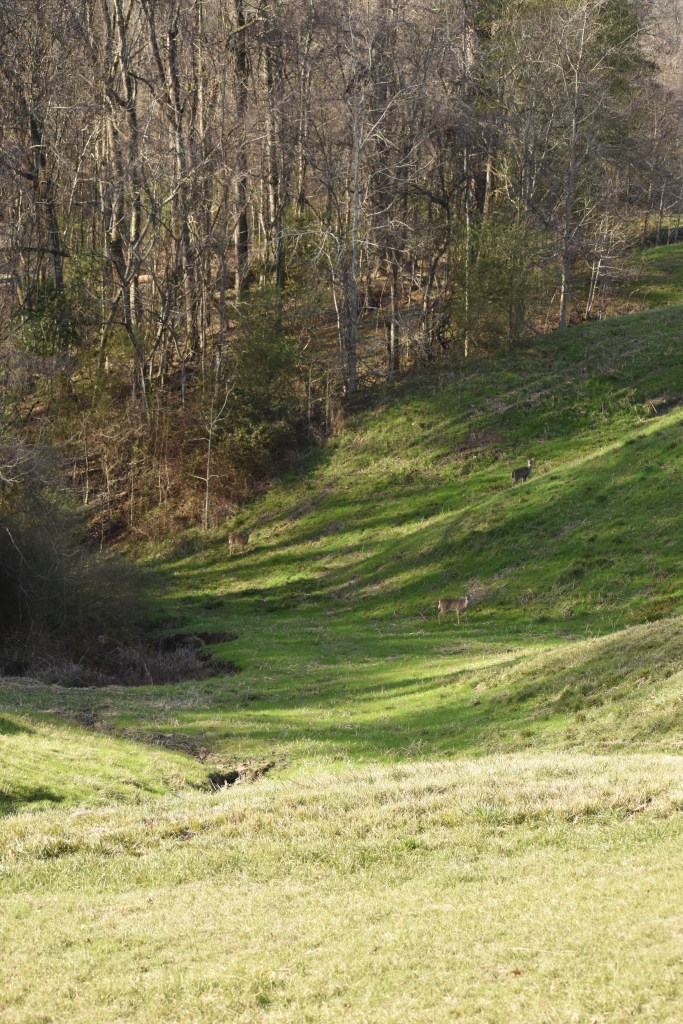
We took this photo for the deer sighting, but it clearly shows how close troops of the two sides were, from one side of this valley to the other.


Site of the Surrender

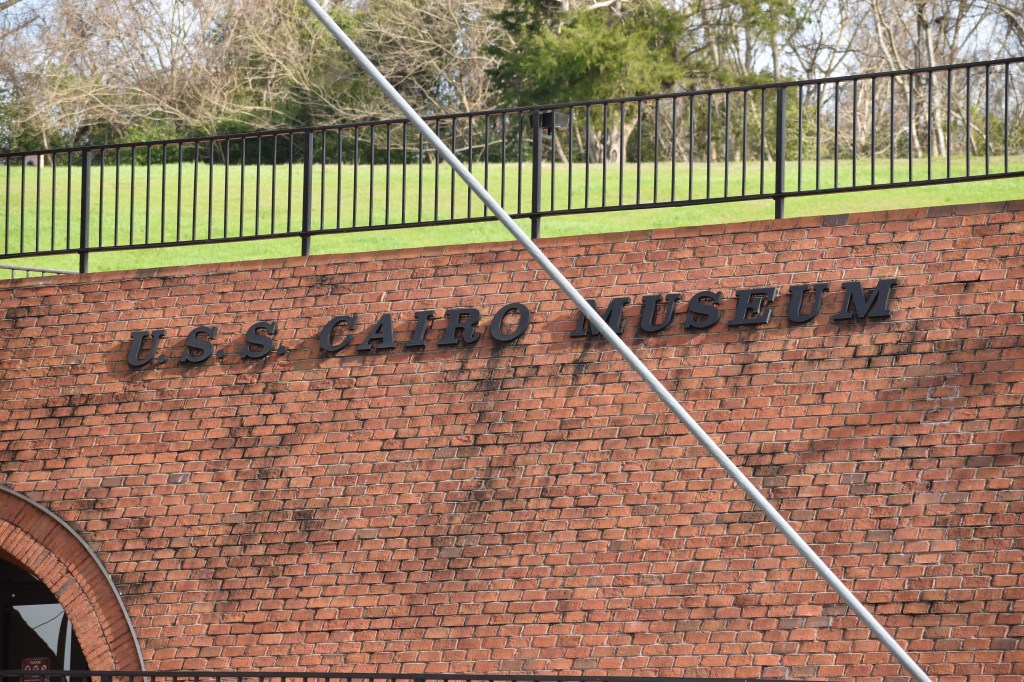
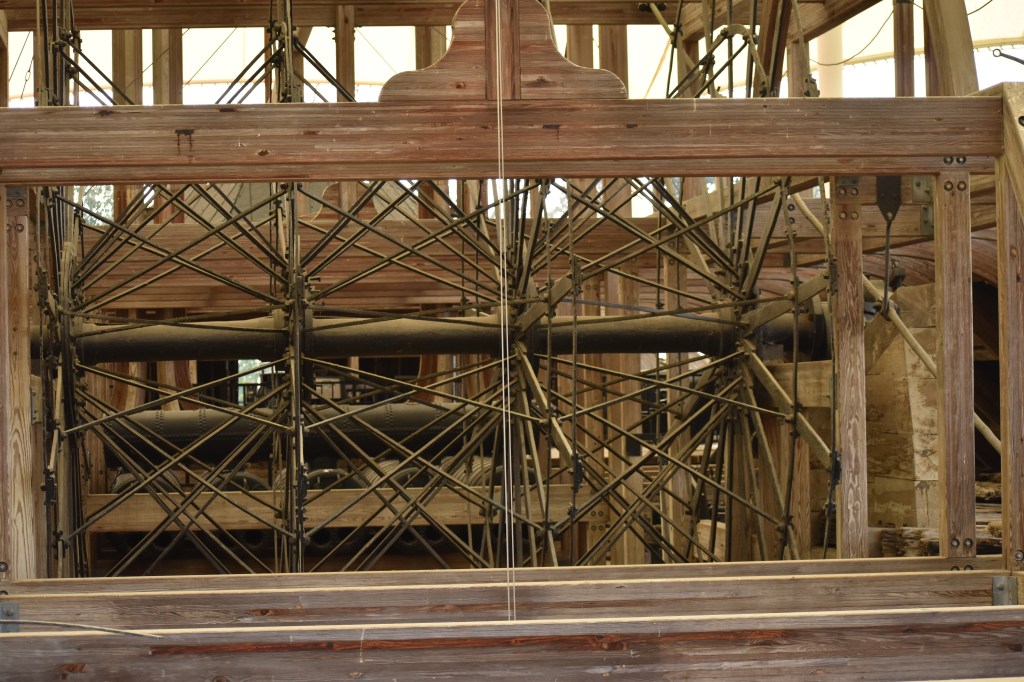
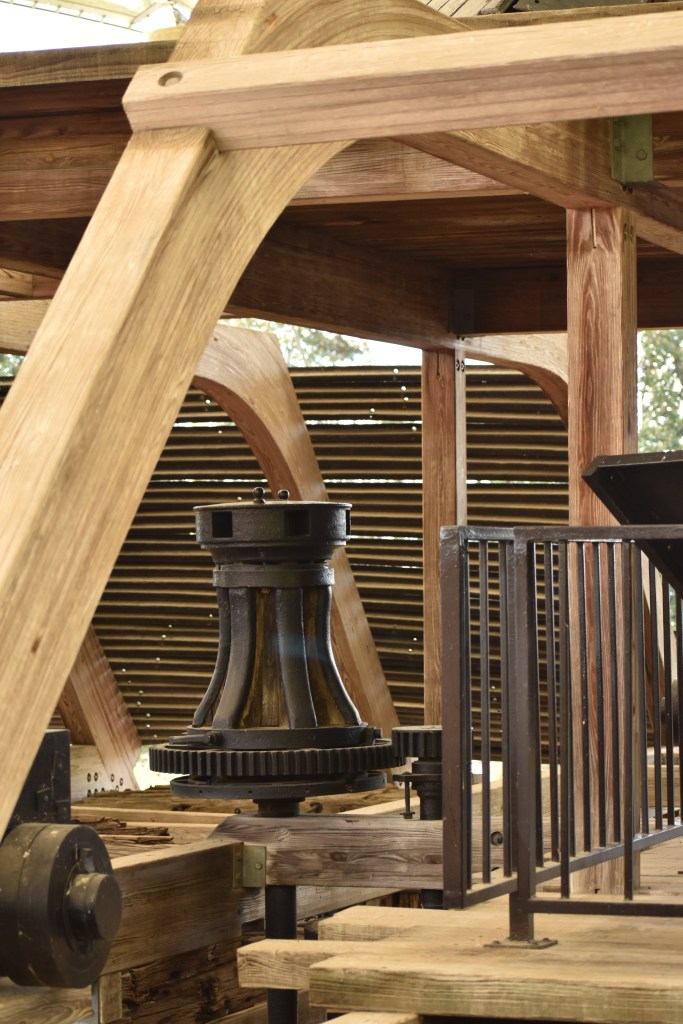
The USS Cairo was sunk in December of 1862 by a mine. It was one of seven ironclad gunboats named in honor of towns along the upper Mississippi and Ohio Rivers. In 1964 (corrected from 1864!) the Cairo was raised out of deep silt and sand. It was restored and constitutes an interesting exhibit at Vicksburg because it is so well preserved.

The Cairo is housed in an elaborate pavilion.

Starboard Rudder
Port rudder
Starboard guns and sheathing
Capstan

In the journal is the following observation after our days touring Natchez, Vicksburg, and the Vicksburg National Military Park: “The South is still steadfast about its determination to win independence and the exhibits are certainly slanted to the Confederate position.”

Vicksburg, Mississippi

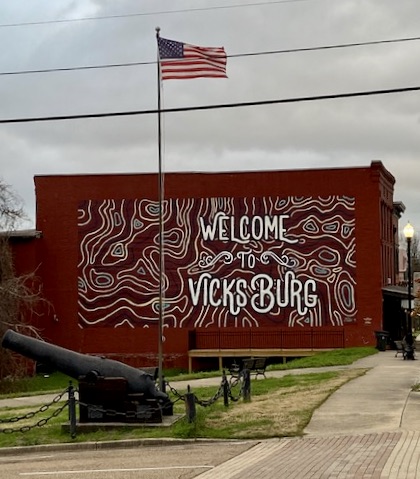
We took a side detour from the Natchez Trace to visit Vicksburg and its National Military Park.

The first night was nerve-wracking, because there was a tornado warning for hundreds of miles around us. Leaving was not an option. Everyone from the visitors center to the campground warned us to find a place, just in case we received a warning. So the night in our van was largely sleepless, listening to heavy rain and being buffeted by high winds. Luckily, the tornados that did occur were not near us.

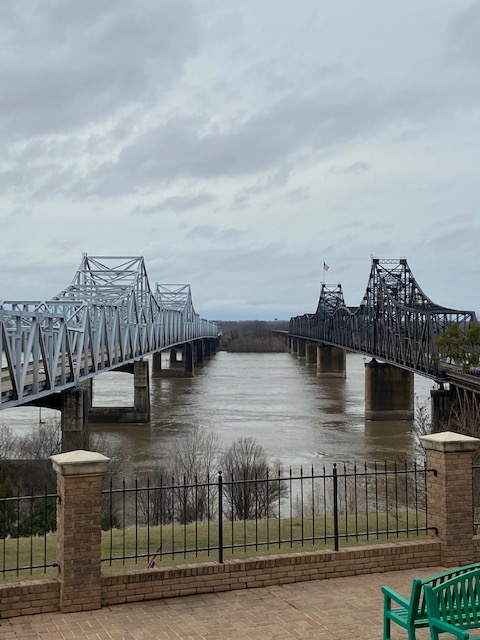
Looking west across the Mississippi River from Vicksburg to Louisiana.

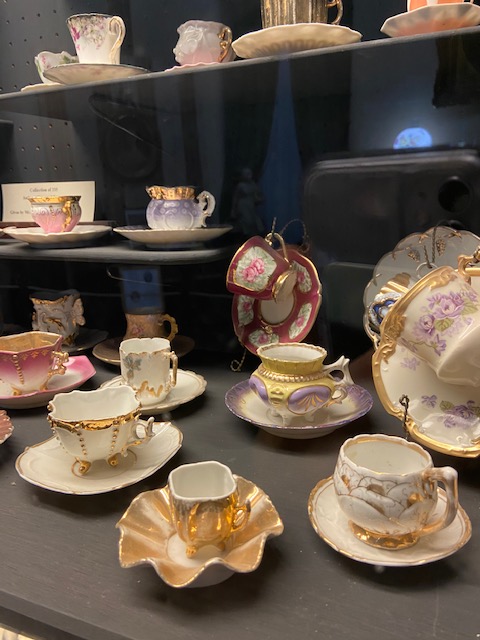
Saturday, January 10, 2020 was our day of museum visits – all the civil war, Vicksburg, and Mississippi information one can digest. We started at The Old Courthouse Museum with its eclectic collections of war memorabilia to household items, including huge sets of teacups, dolls, and old clothing. With each item was a placard indicating the history of the item and the names of the family members who donated the item. Undoubtedly the recognition added to the ease of obtaining the contributions!
The Old Courthouse Museum


The donors names are on the card on the shelf.

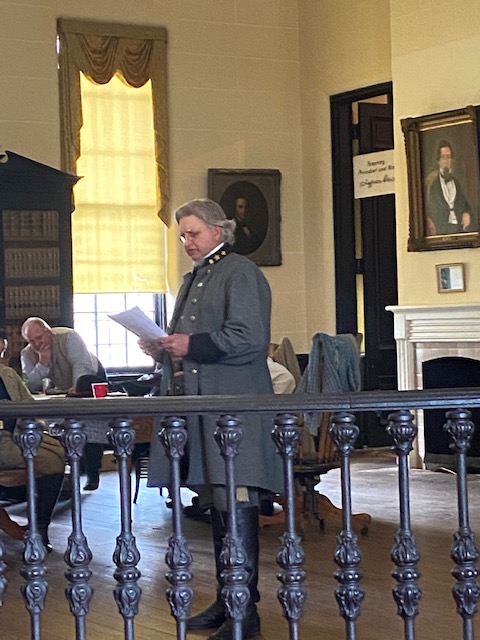
“President Jefferson Davis”

We watched a reenactment of a post-civil war speech by President Jefferson Davis – he was not apologetic.

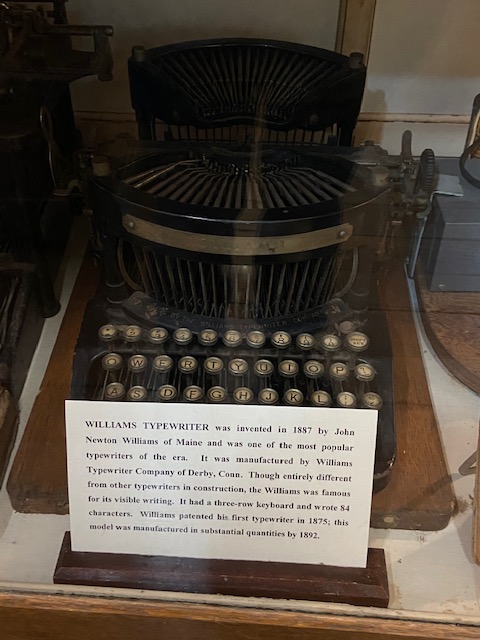
We did not know that Maine was home to a famous inventor of a typewriter!
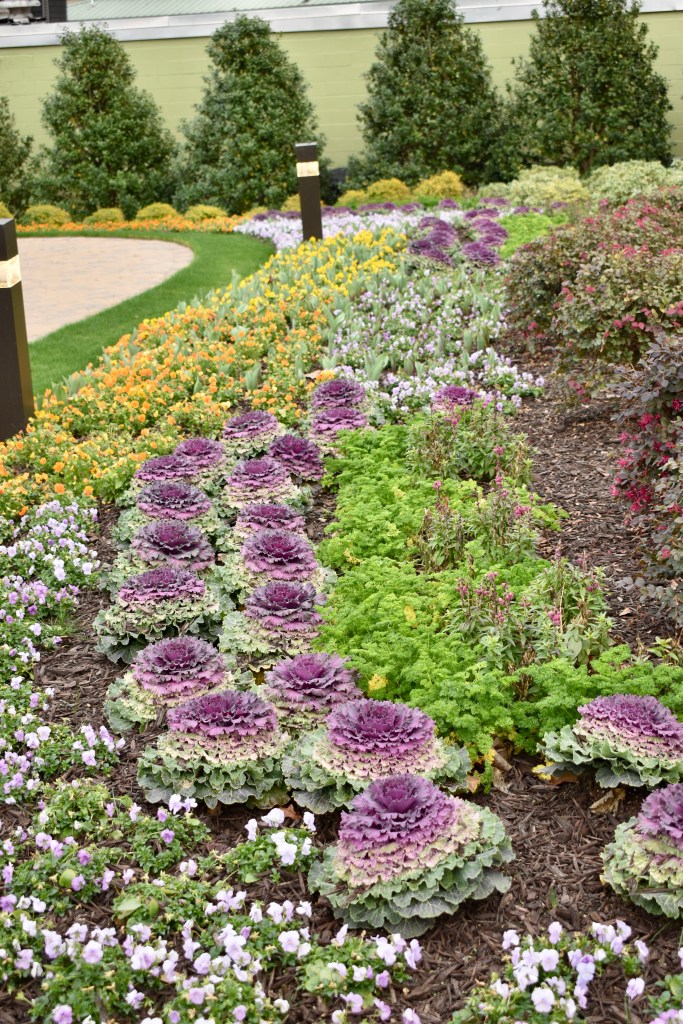
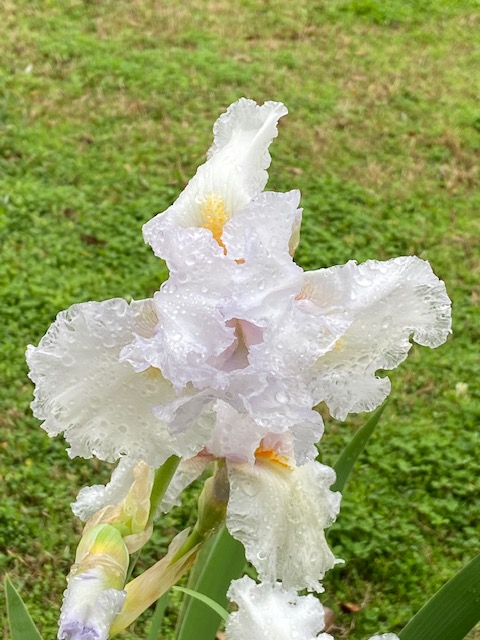
Irises were blooming outside the Old Courthouse Museum.

We saw a lot of history about the flags of the Confederacy, and later saw lots of examples flying throughout the south.

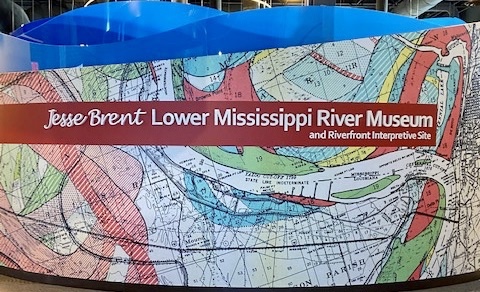
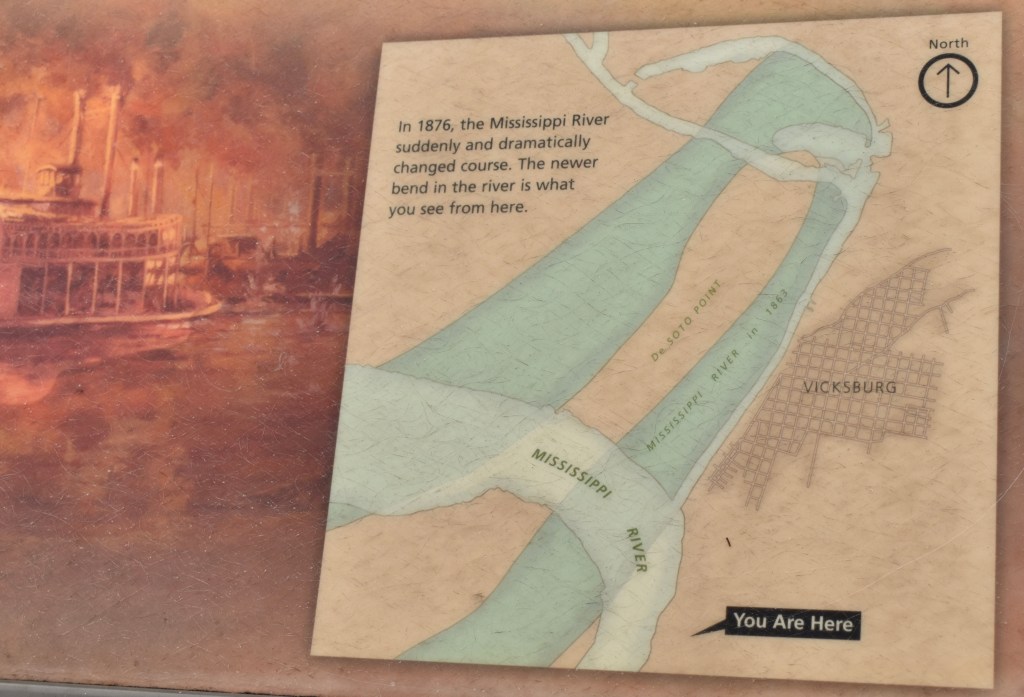
We also visited the Jesse Brent Lower Mississippi River Museum of the US Army Corps of Engineers. Although Vicksburg was a very important river port during the Civil War, for about a quarter of a century it lost its frontage on the Mississippi. There was a sudden, one day change in the course of the river in 1876. We heard various theories about how it could happen – an earthquake, or maybe flood waters receding – but no one seemed to have a definitive answer! In the early 20th Century the Army Corps dug a tunnel extending the Yazoo River to restore Vicksburg’s frontage.
This museum also houses Motor Vessel Mississippi IV in dry dock. The ship and museum display a complex plan to control the mighty Mississippi River. There is an outdoor flood model displaying the river and levee system. Finally, the Old Depot Museum on Levee Street, right on the river, houses many ship models of riverboats and other ships.

Our dinner was at the casino, where they serve traditional southern dishes.

A dinner guest

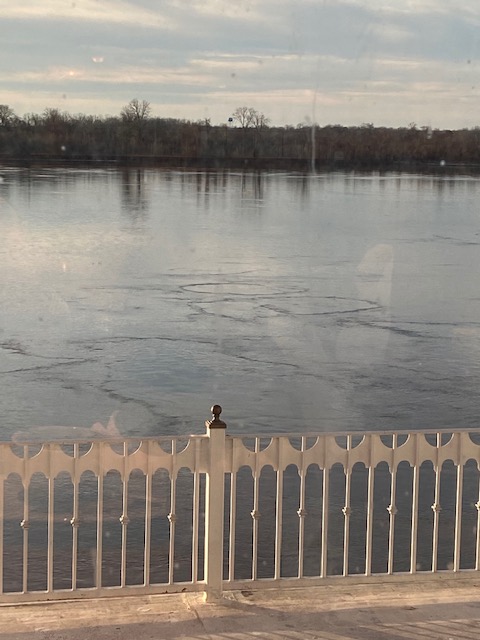
Currents in the Mississippi River

Natchez Trace Parkway

On January 10, 2020, Judy and Doug started our travel up Natchez Trace Parkway, a 444 mile-long road that generally follows a centuries old natural travel corridor. The Natchez Trace was a significant highway of the old southwestern states. It runs through the traditional homelands of the Natchez, Chickasaw, and Choctaw nations. Many travelers used the Trace to head westward or to return north after floating crops and livestock down the Mississippi River. The goods and the wooden flatboats were sold at Natchez or New Orleans and the folks walked or rode horseback back to home, many miles over many months, we speculated. Over time some lodging and food was provided at very rustic “inns” along the trail.

There are numerous historic, ecological, and scenic stops along the Natchez Trace Parkway.

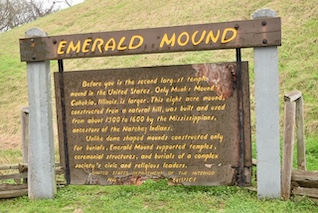
The Emerald Mound is an eight-acre ceremonial mound built by native Americans between 1200 and 1730. It is a national historic monument.
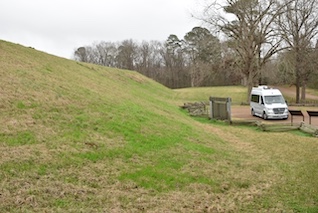
This is the bottom portion of the mound – look how it towers over our ten-foot high van.

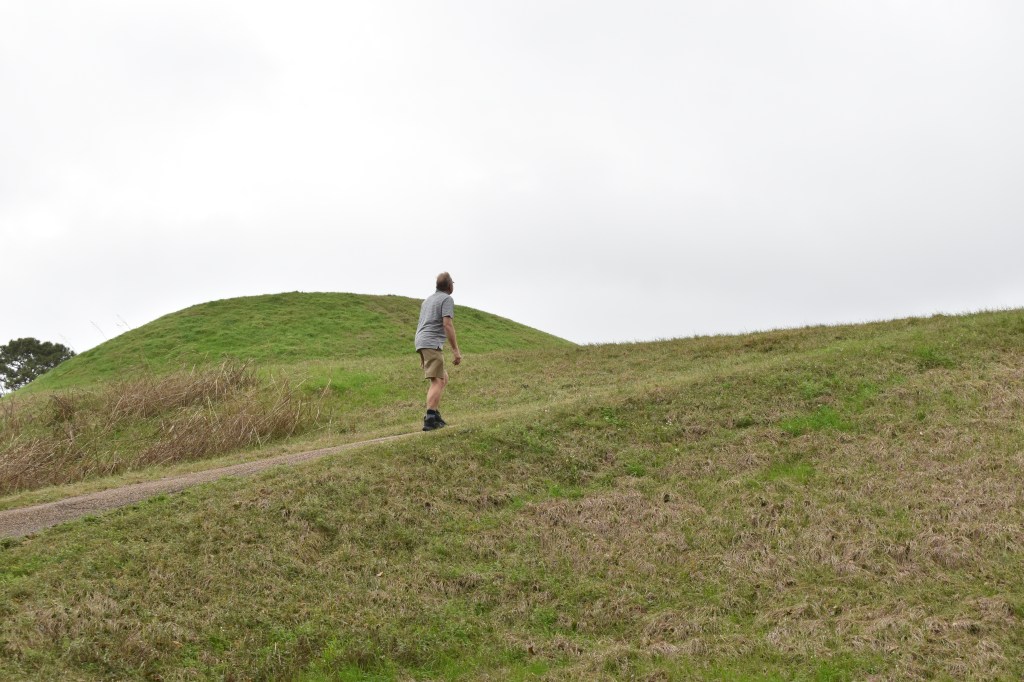
Doug is standing on top of the bottom portion of the hill, looking at one of several mounds on top of the bottom portion.
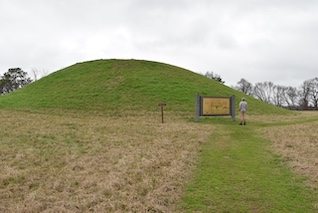
At the top of the top mound!
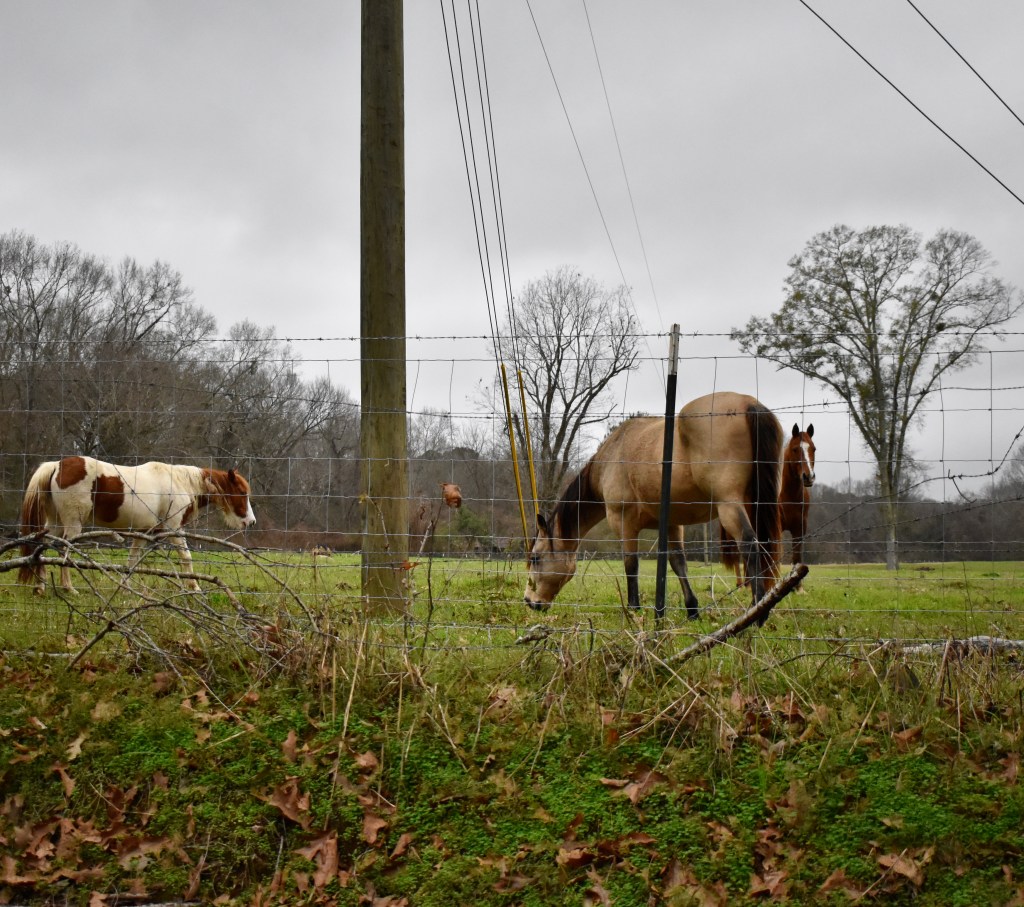
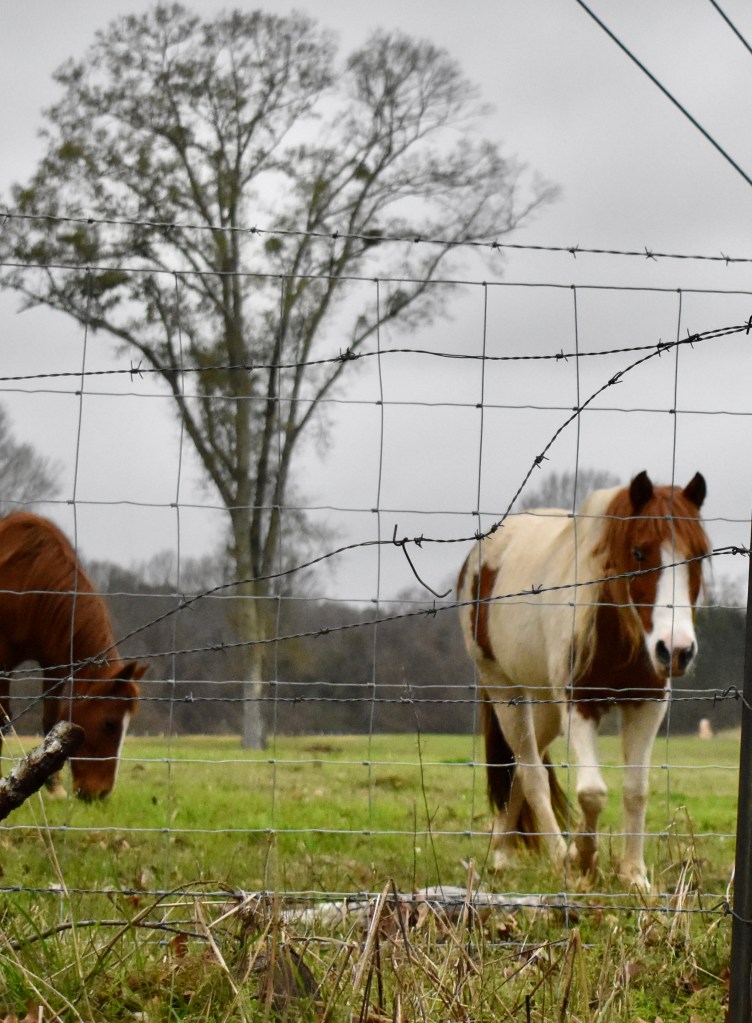
We found some four-legged friends along the way.
One came over to check us out.
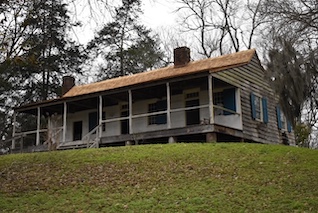
Mount Locust, a rustic inn along the Trace.
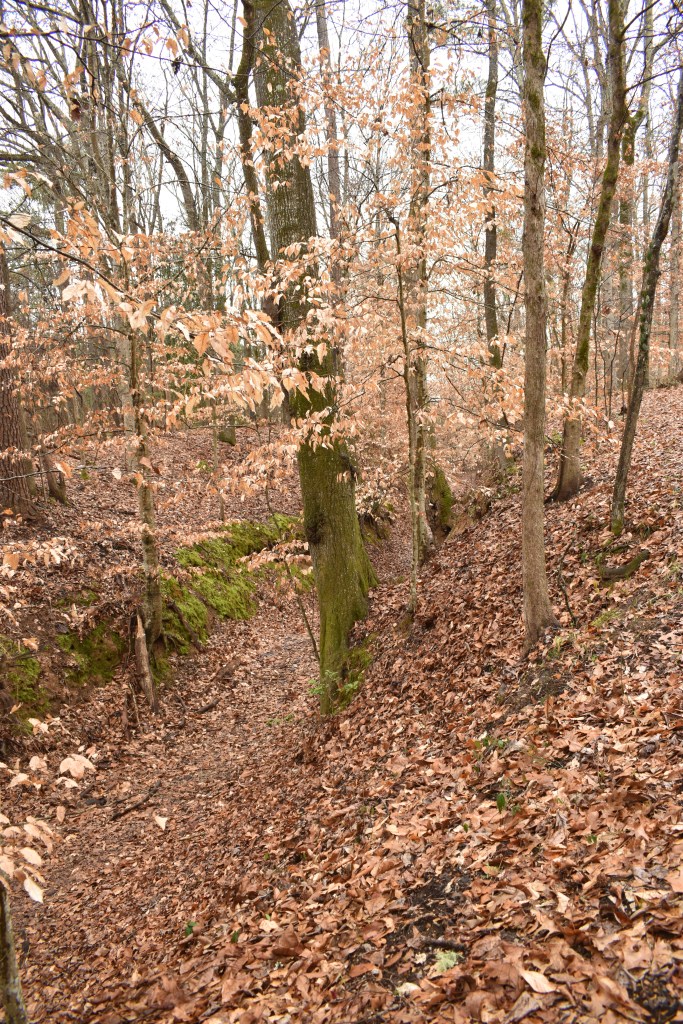
In some places the original trace is viewable.
It was overcast and cool – we were alone at most of the stops this first day on the Trace.